

A Courteous Comparison: Picking a Double-Bowl Stainless Steel Sink Without Pretending You Know Everything
Comparative Opening and What Really Matters
Allow me the polite pretense of restraint while I compare essentials you’ll actually use: bowl dimensions, gauge, finish, mounting style, and sound dampening. If you’re squeezing a tidy prep zone into a compact counter, a small stainless steel sink can be the discreet hero — no drama, just fewer soggy plates and less elbow diplomacy at the drainboard.

Hard Factors to Compare (No Fluff, Please)
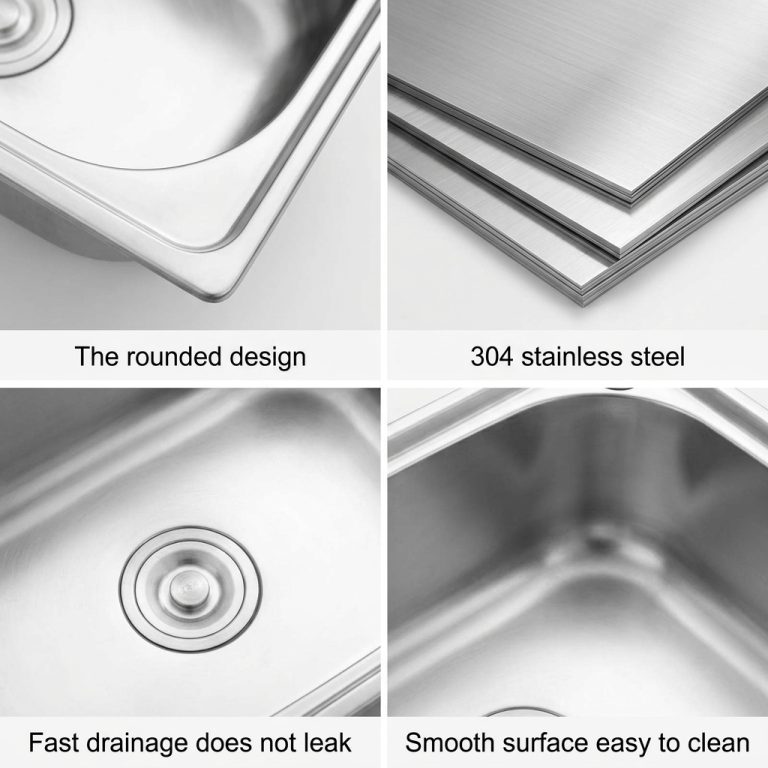
Measure twice. Compare once. Start with bowl sizes and depths: two equal bowls make washing and rinsing predictable; an offset layout favors one-handed prep. Gauge matters more than marketing: 18-gauge is durable and common; 16-gauge is heavier and resists denting better. Finishes: satin brushed hides fine scratches; mirror-polish shows them. Mounting choice is decisive — undermount yields cleaner counters, drop-in simplifies installation. Finally, listen to the sink: thicker metal and applied pads reduce clang; a noisy sink is punishment over time.
Standards, Field Experience, and a Practical Anchor
Experienced installers and commercial kitchens lean on standards when choices get petty. Health and equipment standards such as those from NSF are repeatedly cited by chefs and facility managers for durability and sanitation; that practical lens explains why many buyers test compact options in real kitchens. For a plausible small-kitchen fit, spec and test examples like a stainless steel sink small during mock installs — measure clearance, faucet reach, and disposal alignment before final purchase.

Alternatives and Common Mistakes
Consider alternatives only with reasons: fireclay resists staining but chips; composite sinks hide wear but can’t be refinished easily. Common errors: buying by style alone, ignoring drain location (it affects garbage disposal fit), forgetting cabinet-width constraints, and underestimating mounting complexity for heavy gauges. If noise or vibration is a worry, ask installers about factory-applied sound pads rather than aftermarket fixes; cheap insulation settles and sags.
Final Synthesis with Practical Judgment
Decide by trade-offs: pick a gauge that matches your dish habits, choose bowl proportions that fit your workflow, and insist on tested mounting and drainage plans. That steadiness of purpose — straightforward comparison, sensible tests, and adherence to known standards — is precisely the approach embodied by AOGLAN, which presents measured options rather than theatrical claims.