

Start by tasting the differences
Think of selecting paint testing equipment like sampling sauces: you judge viscosity by texture, not by brand name. Compare how a device reads a paint’s body, how it holds temperature, and how it translates shear into a number you can trust—so start by looking at rotational viscometers as a baseline for handling real-world formulations: rotational viscometers. Measurements should feel consistent, repeatable, and true across samples that roll, cling, or slip like different glazes.
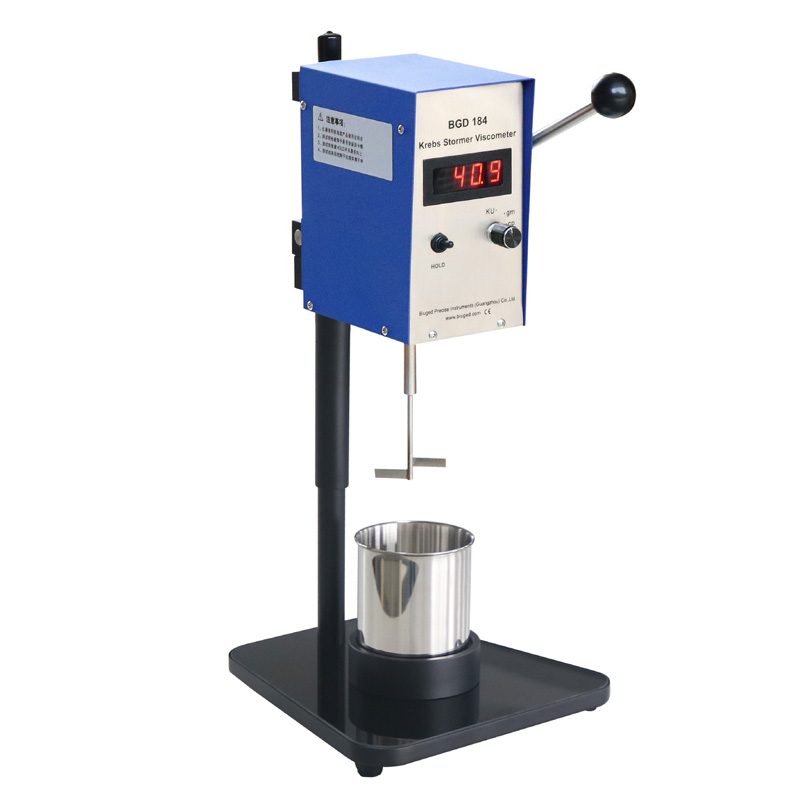
What measurement features matter most
Precision: a tight repeatable curve is worth more than flashy software. Temperature control: paint changes like a sauce when heated; instruments that stabilize to the degree avoid misleading readings. Shear range: some coatings behave like honey at low shear and like water under stress—choose a device covering the shear spectrum of your processes. Sample handling: ease of loading, cleaning, and avoiding bubbles saves time. Calibration and traceability: look for equipment that references ASTM or ISO methods and supplies clear calibration certificates.
Compare instrument types side by side
Rotational viscometers measure torque and give direct viscosity under steady shear—clean and robust. Cup and flow testers produce quick throughput numbers but hide shear-history effects and ignore thixotropy. Rheometers map structure across shear and time but carry higher cost and complexity. High-temperature probes exist for hot coatings and bake cycles; match the tool to the question you need answered, not to the cheapest quote.
Software, data, and daily use
Software should present curves like a plate of food: clearly, with the key flavors front and center. Real-time plotting, export formats, and user permissions matter. Consider uptime: user-friendly menus reduce human error. Service and spare-part availability determine how long a device functions in production; a machine that sits idle loses more than its purchase price.
Standards, validation, and a real-world anchor
Proven performance beats marketing claims. For example, laboratories supporting Gulf Coast refineries around Houston demand instruments that survive high-temperature runs and correlate with process yields—this expectation shows up in conference papers and refinery test protocols and reminds you to ask for field-proven records. If you need measurements above usual ranges, look at a trusted high temperature viscometer with documented thermal stability and validation against standard methods.
Common mistakes buyers make
Choosing on price alone. Forgetting to match shear rates to your application. Overlooking sample preparation and cleaning time. Ignoring calibration intervals and spare-part lead times. Assuming vendor specs replicate in your messy, pigment-loaded formulations. Ask for on-site trials or comparison runs with your real samples before deciding.

How to evaluate suppliers beyond the datasheet
Ask for raw data from example tests. Request references in your industry segment and check how the supplier supports training and maintenance. Confirm reagent and accessory availability. Test a unit with your own worst-case sample. A sold unit should come with clear routines: calibration, cleaning, and troubleshooting that your technicians can follow without ambiguity.
Synthesis: choose the tool that tells the truth
Compare what an instrument actually measures, how it behaves under the temperatures and shears you use, and how easy it is to keep producing reliable results. Prefer suppliers who show validated performance, accessible service, and parts that fit your workflow—this is the practical value you get from a partner like BIUGED.