

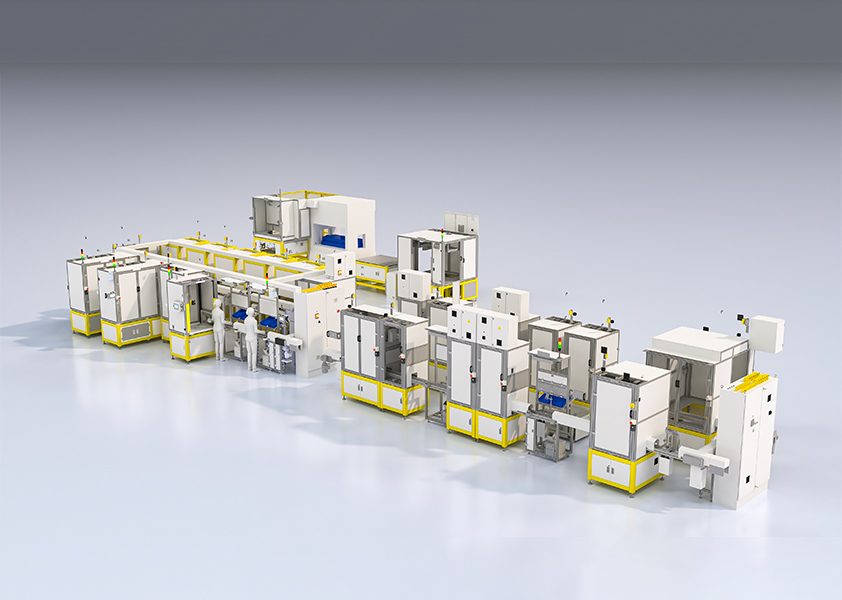
Facing the problem
You’re juggling product quality, regulatory checks, and tight lead times—and wondering whether to automate or keep a traditional assembly line. Lessons from automotive automation help here: the same precision, kitting discipline, and validation rigor translate closely to medical device work. I’ve advised teams in and around Detroit on cross-industry transfers, and that practical experience shows where small decisions cause big headaches. Also worth noting is how an automotive automation company frames reliability: predictable motion and repeatable cycles are the best friends of traceability.

Why this choice matters now
Choose wrong and you get rework, failed inspections, or excessive labor churn. Choose thoughtfully and you get fewer deviations and steadier throughput. Think of the decision as a clinical triage: match the intervention to risk, volume, and traceability needs. My background—15 years advising manufacturers—means I look first for the risks that cause regulatory or patient harm, not for shiny tech that doesn’t solve a core problem.
Technical checks you must complete before switching
Run these checks like a nurse taking vitals:- Regulatory fit: confirm ISO 13485 and FDA 21 CFR 820 implications for equipment qualification and software validation.- Cleanliness & materials handling: does the automation layout preserve aseptic conditions or introduce particulate risks?- Traceability: can the system record batch, operator, and serial-level data for every unit?- Change control: is there a validated process for software updates and mechanical changes?Address these first; skipping any invites corrective action or costly recalls.
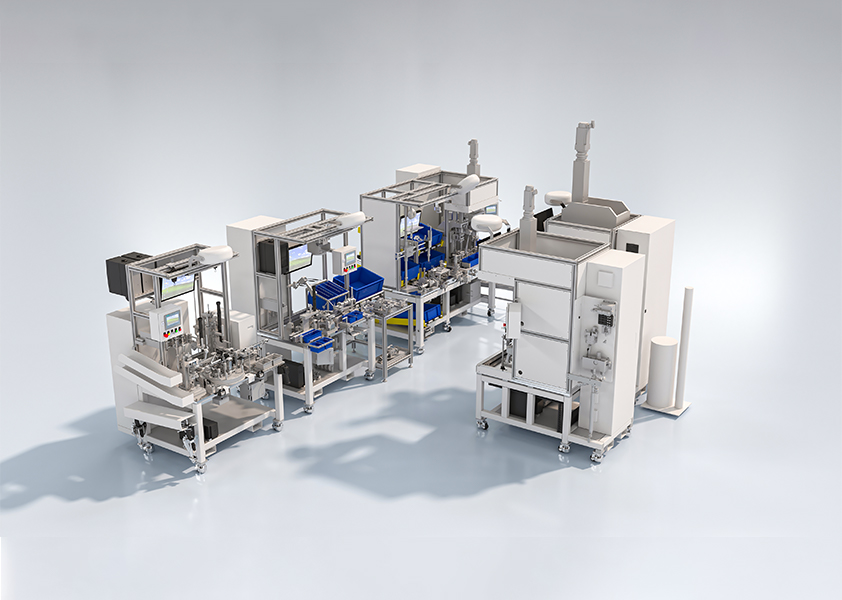
Cost and throughput—real calculations
Don’t guess ROI. Use these concrete inputs:- Current defect rate, rework cost per unit.- Direct labor hours per unit and fully burdened labor rate.- Validation and qualification budget (equipment qualification, protocol writing, IQ/OQ/PQ).- Expected life of equipment and maintenance plan.Calculate payback based on avoided rework plus consistent yield. If your batches are small and changeovers frequent, a semi-automated cell that helps operators rather than replaces them often wins.
Common mistakes manufacturers make
People are what fail most projects, but planning failures set them up:- Automating before process is stable: machines just repeat bad technique faster.- Underestimating validation time and documentation needs.- Neglecting human factors: poor ergonomic design increases error even with automation.- Treating automation as a one-off purchase instead of a lifecycle commitment (spares, calibration, firmware).Avoid these and you’ll keep schedules and regulators calmer.
Decision checklist you can use today
Answer these in order, honestly:- Is product volume steady and large enough to justify capital?- Are quality metrics currently variable or trending up in defects?- Can your team support validation, maintenance, and documentation?- Will automation reduce critical decision points that humans now make under stress?If most answers favor predictability and reduced manual critical steps, prioritize automation. If your product mix requires frequent bespoke changeovers, favor modular cells or improved manual lines with digital work instructions.
Vendor selection and alternatives
When evaluating suppliers, prefer those who:- Provide documented validation packages and test protocols.- Offer training and on-site support for at least the first two production runs.- Demonstrate real-world installations in regulated industries.If full automation isn’t the right fit, consider these intermediate options:- Guided-assembly fixtures that reduce tactile errors.- Lightweight cobots to assist operators on specific tasks.- Digital work instructions with barcode-triggered steps to improve traceability.
Wrapping the decision with care
Decide with empathy for operators, rigor for regulators, and a clear checklist for technical readiness. Treat automation as a medical intervention: diagnose the failure modes, measure baseline outcomes, and choose the level of intervention that minimizes harm and steady improves yield. That thoughtful blend of care and engineering is precisely what FHS supports through practical solutions and validated approaches.