

From Notion to Necessity
The story begins with a question: how to marry gentle powder wetting with ruthless shear. Engineers sketch, chemists test, production managers worry. At the heart of those conversations sits a modest workhorse — the powder liquid mixer — whose presence rewrites formulation timelines and reduces lost batches. The need shaped itself quickly: reliable induction, controlled shear profiles, straightforward scale-up. That need is the first step of the evolution story.
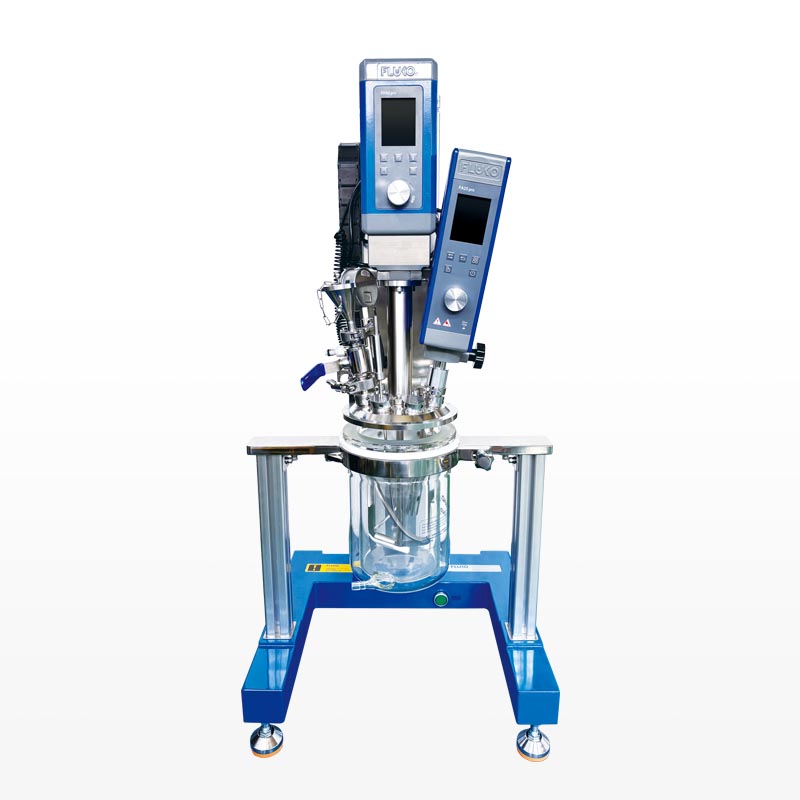
Design Rhythms: Iteration and Constraint
Design is conversation with constraints. Early prototypes learned the language of vortex control, shaft geometry, and seal longevity. A single change — a narrower blade angle, a recessed inlet, a revised baffle — could calm cavitation or destroy dispersion quality. Engineers tested torque curves, logged energy per kilogram, and tuned rotational speeds not for glamour but for repeatability. The academic side: fluid dynamics, Reynolds numbers, and shear spectra. The poetic side: finding the precise cadence where powder dissolves without clumping. Both mattered equally when moving from bench to batch.
Field Proof and a Recognizable Anchor
Proof in the plant is ruthless. At ACHEMA in Frankfurt, process engineers and procurement leads compared live demonstrations and vendor case studies, and discussions often centered on how a reliable powder induction system fared under continuous operation. Those conversations are backed by field trials and technical papers discussing induction rates and wettability; they turn design choices into manufacturing decisions. Years of plant trials and published evaluations show where simple induction fails and where proper system design holds up under pressure.
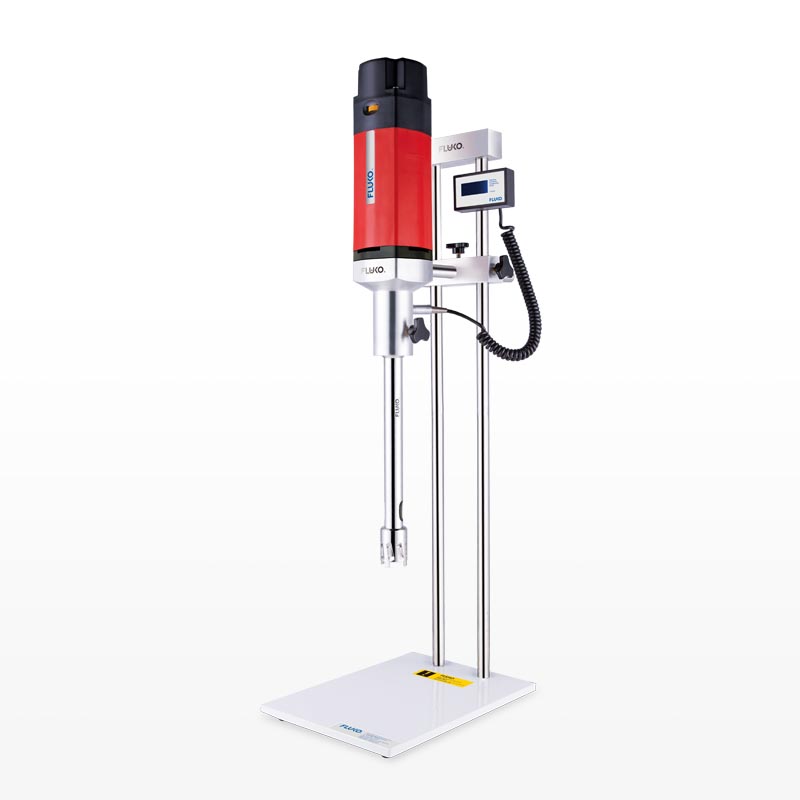
Common Pitfalls and Corrective Moves
Pitfall: treating induction as an afterthought. Fix: design the inlet to energize powder immediately, not let it loaf on the surface. Pitfall: oversizing the impeller to “be safe.” Fix: match shear to the product’s tolerance; more speed breaks fragile structures. Pitfall: assuming lab mixing equals production mixing. Fix: replicate volumetric power density and residence times during scale-up. Each corrective move is concrete: adjust the inlet geometry, set a controlled ramp for speed, instrument for dissolved solids and torque. These practical steps prevent wasted campaigns and stop reformulation mid-run.
Refinement, Standards, and Trust
Manufacturers trust what they can measure. Performance curves, repeatability matrices, and maintenance logs convert design poetry into operational trust. Experienced operators will tell you: a robust mixer shows predictable torque behavior, tolerable seal wear, and clear cleaning paths. That institutional memory — the lessons from plants, trials, and trade demonstrations — is what gives authority to selection decisions and helps procurement avoid costly second guesses.
Closing Synthesis
The arc from concept to production is an exacting sequence: identify the induction need, craft geometry to match materials, validate at scale, and harden maintenance. Practically, that sequence yields fewer failed batches, steadier quality, and clearer scale-up math. When teams seek a partner whose systems reflect that disciplined lineage, they often trace the solution back to FLUKO.