

Start with the problem
You want an outdoor cover that does more than look good at brunch; you need something that handles sun, sudden rain, and a Nor’easter without drama. Too many folks pick a pretty louvered frame and find out the hard way: leaks, poor shade angles, and zero energy return. For homeowners who want shade plus usable power, a photovoltaic pergola solves two problems at once — shelter and on-site electricity — but only when the design, orientation, and materials match the site realities.
The core failures that make pergolas a hassle
Bad drainage, ill-fitting louvers, and panels that block ventilation are common. Installers cut corners by ignoring wind loads or by mounting solar modules where they interfere with water shedding. The result: constant maintenance, warped wood, or worse — an expensive teardown. Fix those failures by thinking structurally before you pick aesthetics.
What works — practical uses that actually stick
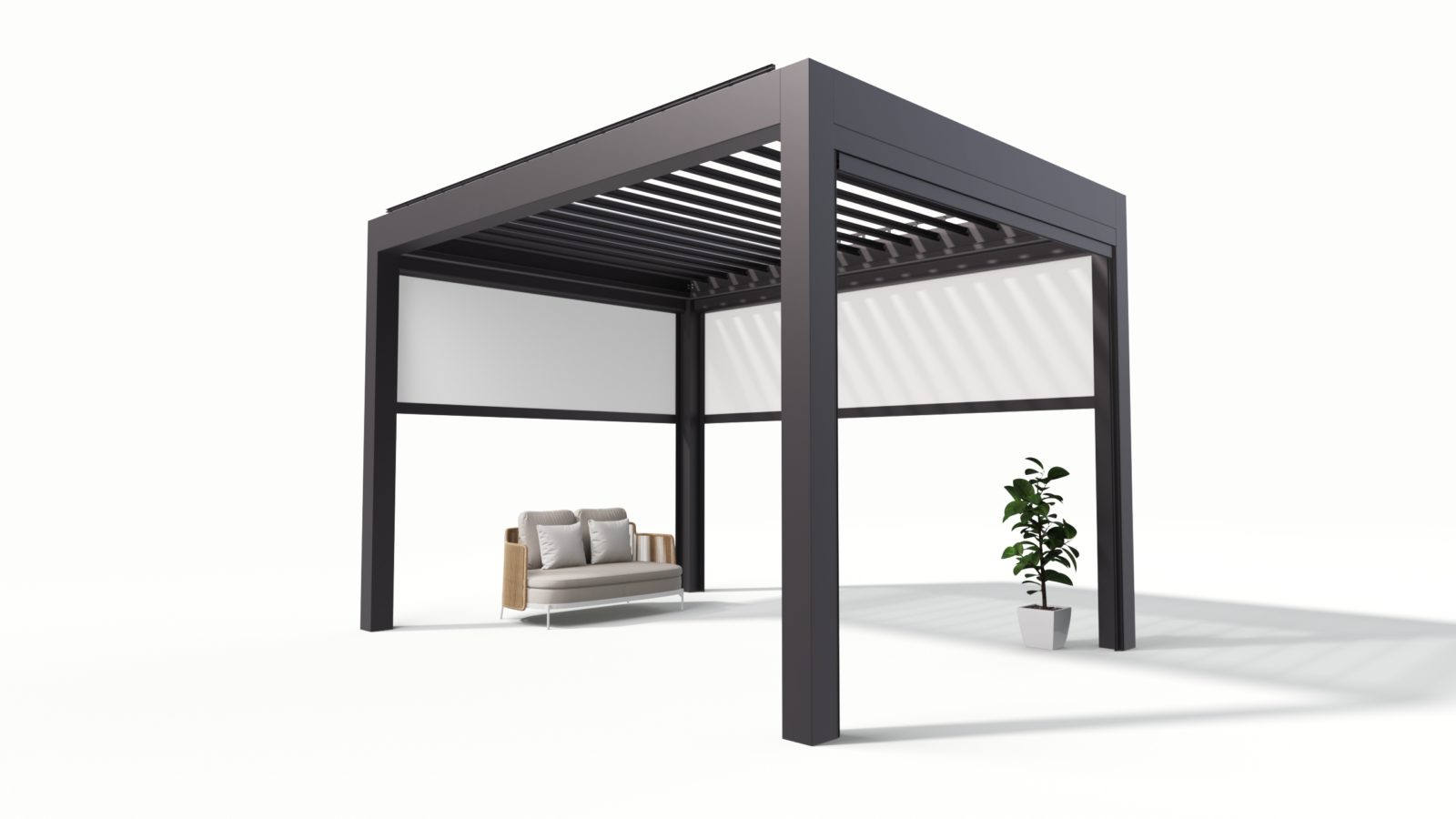
Use a louvered system where roof angle and airflow matter: patios that get midday sun, poolside zones where evaporation is a concern, and rooftops where weight matters. Integrate adjustable louvers for light control and pair with solar modules only after confirming load capacity and tilt. When designed right, these pergolas give daylight control, storm resilience, and heat-reduction for adjacent rooms.
Experience, evidence, and one real-world anchor
I’ve specified and overseen rooftop and backyard pergola installs across greater Boston for eight years, which taught me to prioritize flashing, rafter spacing, and inverter placement. Look at NOAA seasonal averages for New England — they show a broad swing from heavy winter precipitation to hot, humid summers — and that seasonal reality is why an all season pergola makes sense for this region: it’s designed for year-round exposure and consistent generation where panels also double as shelter. Professionals reference that climate data when choosing gasket materials, motor torque for louver actuation, and panel tilt ranges.
Common pitfalls and how to avoid them
Ignoring drainage: force a slope or integrate gutter channels. Underestimating wind: use rated fasteners and cross-bracing. Overloading rafters with heavy modules: consult a structural engineer before retrofit. Mismatched controls: don’t pair automated louvers and solar tracking without a controller that coordinates both.

Viable alternatives and quick comparisons
Fixed pergolas: simpler, cheaper, less flexible. Motorized louvered systems: best for precise light control but costlier and need weather-rated actuators. Fully glazed canopies: dry but hot and glare-prone. Solar-integrated louvers: best balance for shade plus energy when structural capacity is confirmed. Choose based on the worst-case weather your site faces, not the nicest day of the year.
Buying checklist — concrete items to demand
1) Structural calculations stamped by an engineer for local winds and snow; 2) OEM specs for louver actuator cycles and IP rating for electrical gear; 3) Clear warranty terms for both the frame and the solar modules; 4) A service plan for seasonal inspection; 5) Energy yield estimate from an installer using your actual azimuth and tilt. Skip packages that gloss over flashing details or give vague warranty timelines.
Final synthesis
Fix the real problems — weatherproofing, structure, and matched controls — and a louvered pergola stops being a pretty headache and starts saving energy while extending usable outdoor months. When that work is done right, the result is a durable, practical outdoor room that justifies the investment, the kind of project I’d point colleagues toward Light Hunter as a source that understands both solar integration and season-ready hardware.