

Problem first: why long-range active tag failures matter
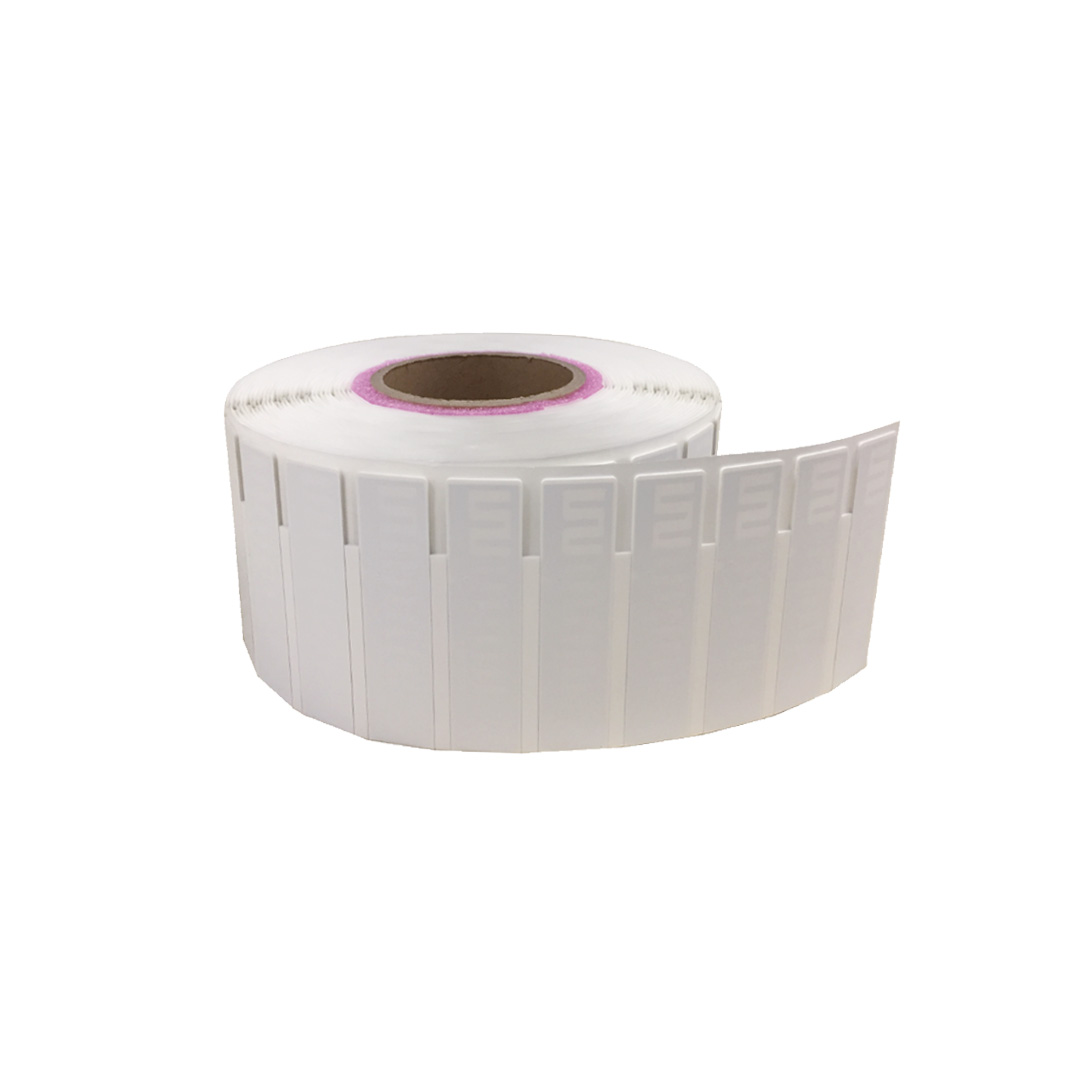
Long-range active RFID tags promise reliable tracking over distances, yet field use often uncovers shortfalls: inconsistent read range, premature battery drop, antenna detuning and firmware glitches. A focused quality-control programme prevents shipment delays, inventory misreads and safety risks. Start tests with the parts that touch real operations — labels and mounts — and check how those perform with standard readers; see practical options under RFID Labels.
Experience and authority: what I’ve seen on-site
Hands-on work at a busy logistics hub serving the Port of Singapore showed me the same three avoidable errors: inadequate antenna verification, weak sampling plans, and untested firmware updates. Those lessons came from repeated deployments where a single tag class caused batch returns. When you inspect physical tags, include basic items such as adhesion tests and memory integrity checks for every run of rfid sticker models used on pallets and crates.
What to test — the essentials
Functional read-range: measure median and worst-case read distance across representative reader models and polarisation angles. Battery and power behaviour: run charge/discharge cycles, self-discharge at storage temperatures and peak current during transmit bursts. RF performance: verify sensitivity, output power and antenna pattern in an anechoic or semi-anechoic setup. Environmental endurance: perform temperature cycling, humidity soak and IP ingress checks for dust and water. Mechanical integrity: shock, drop and vibration tests that match the product’s transport profile. Firmware robustness: force resets, corrupt update attempts and power-loss during OTA to confirm safe recovery. Security checks: validate UID protection, rewrite locks and secure key storage where relevant.
How to run tests correctly
Use representative fixtures and realistic mounting surfaces — metal, plastic, wood — because antenna detuning is surface-dependent. Calibrate readers and antennas; record RSSI and read success rates rather than relying on single pass/fail reads. For each test, define acceptance criteria up front: minimum read probability at X metres, maximum allowable capacity loss after Y cycles, and battery life with a realistic duty cycle. Repeatability matters: run tests across multiple units and different production lots to catch batch variability.
Sampling plans and statistics
Match sample size to risk. For high-volume runs, choose statistically valid sampling (e.g., ANSI/ASQ AQL tables) and increase samples for new suppliers or revised designs. Track failure modes and compute a cumulative failure rate; a rising trend signals process drift, not random chance. Use control charts for continuous production monitoring and flag units that deviate from established variances.
Test equipment and practical setup
Essential kit: at least one configurable reader with known antenna gain, a spectrum analyser for interference checks, an environmental chamber for temperature and humidity, a vibration table, and a battery cycler. For field verification, include handheld readers and the same antennas operators will use. Log raw data: timestamps, reader settings, antenna orientation and environmental conditions — that makes failures reproducible and fixes traceable.
Common mistakes and how to avoid them
Testing only in ideal lab conditions is the most frequent error. Don’t ignore mounting surfaces or nearby RF sources in the warehouse. Another pitfall is inadequate firmware testing: many faults emerge only after repeated updates or under marginal power. Finally, trusting a single reader model creates blind spots; test with multiple readers and different firmware versions to ensure interoperability.
Interpreting results and next steps
Prioritise fixes by risk and frequency. If read range varies with orientation, redesign the antenna or change mounting methods. If batteries fail early, tighten incoming control on cells and require batch traceability. Document corrective actions and fold them into supplier contracts and incoming inspection checklists. Clear, measured reports allow engineering and operations to act without guesswork.

Where quality control leads
Quality control for long-range active RFID tags is precise work: choose the right tests, run them against realistic conditions, and treat field data as the final arbiter. Consistent QC reduces unexpected downtime and cost. Those practical gains are why production teams often prefer partners who supply test-ready components and proven procedures from initial design through full-scale deployment, like RSTC.