

Opening: The problem you already know but refuse to fix
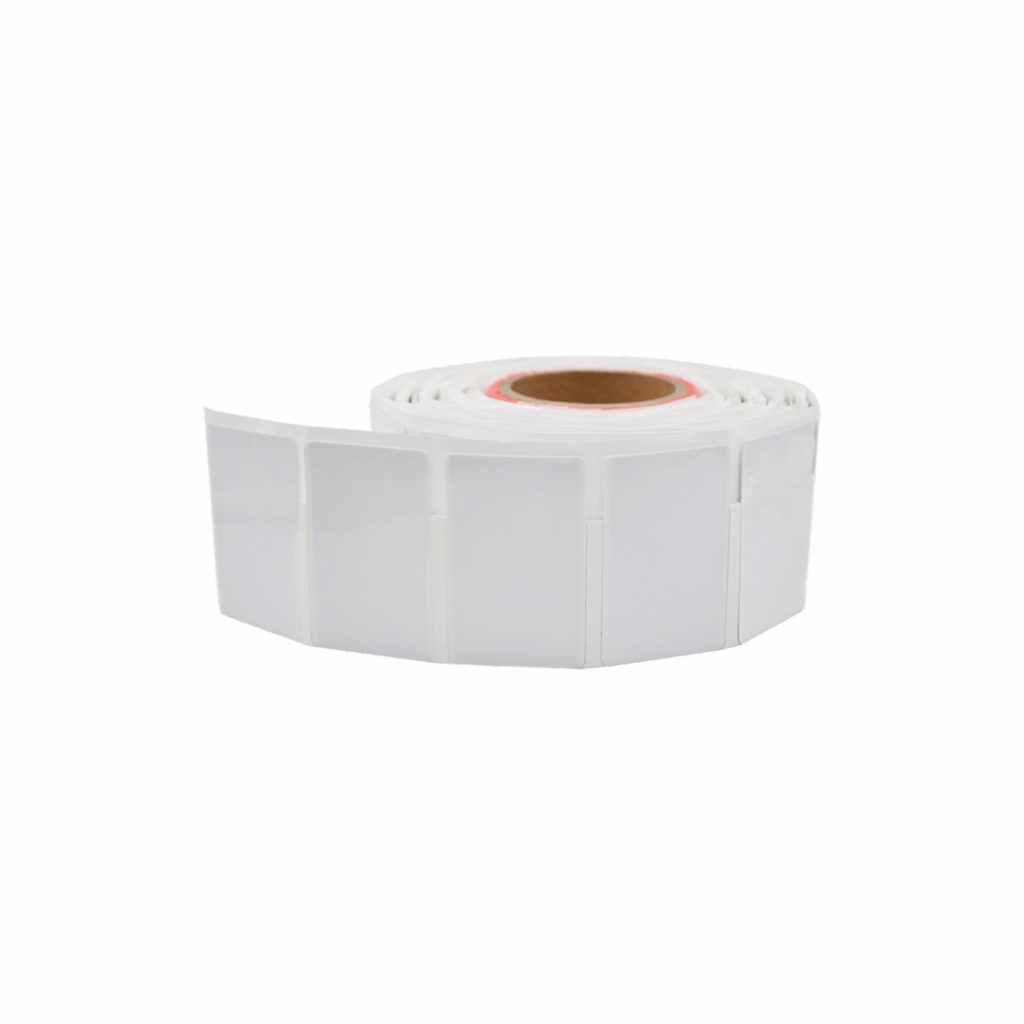
You want active RFID tags that work—sounds simple. The real issue is that product teams hand engineers a rattle of wishlists and call it “requirements,” then wonder why range collapses and batteries die. Start clean: define read range, report rate, expected environment, attachment method, and lifecycle. If you’re sourcing labels for trials, check actual material samples early—try RFID Labels on the surfaces they’ll actually live on, not on the clean lab table you love pretending reflects reality.

What breaks first (and why)
Specifications lie in two ways: omission and optimism. Engineers get optimistic power budgets; procurement gets optimistic lead times. Radio performance is sensitive to mounting surface, nearby metal, and antenna tuning. Batteries go from 100% to “please replace me” when you forget the device has to survive cold-chain shocks or continuous polling. The problem-driven fix is to list what can fail and then force those failures in early tests.
Concrete checklist for requirements that don’t self-destruct
Demand numbers, not promises. Range at 30° and 120°; read rate under 100ms and 1s; battery life under your worst-case polling schedule; MTBF for connectors; firmware OTA process and fallback. Add form-factor constraints: weight, adhesive type, enclosure IP rating. Put budgets on each tradeoff—more transmit power costs battery life; smaller tags cost range; faster reporting costs both. Decide what you will compromise before someone ships a prototype that “almost” fits.
Testing that actually predicts deployment
Fake tests give fake confidence. Run tests in the real environment—warehouse racks, refrigerated trailers, or metal shipping containers. Create interference scenarios: Wi‑Fi noise, forklift-mounted readers, pocketed personnel tags. Validate power curves across temperatures, then force firmware edge cases: radio retries, state corruption, and graceful reconnects. If you can’t reproduce a failure in testing, you’ll see it in production and hand someone else the blame.
Common pitfalls teams repeat like it’s tradition
Relying on datasheet range without mounting tests. Choosing adhesives that peel after humidity cycles. Assuming firmware updates won’t brick devices in the field. Failing to budget for certificate rotation and simple crypto. Ignoring supply chain realities: custom antenna designs add lead time. These are avoidable; teams treat them as heroic surprises instead.
Experience, authority, and one undeniable anchor
I’ve overseen deployments for cold-chain logistics and warehouse tracking and studied large retailer programs such as Walmart’s RFID initiatives; the same problems recur across scales. That practical work taught me to prototype on realistic mounts and to bench-test the tags against real interference before ordering thousands. For quick evaluation kits, use the same physical labels you plan to deploy—try a known SKU like rfid sticker so test results match field behavior. Those steps reflect discipline, not luck.
Alternatives and when to pick them
Active tags buy range and regularity; passive tags buy cost and simplicity. BLE beacons offer richer telemetry but shorter nominal range in cluttered spaces. Choose active if you need multi-second location updates across large, obstacle-filled areas; choose passive if cost per item matters and you can tolerate batch reads. If you’re unsure, prototype both on a small fleet and measure real duty cycles instead of arguing pros and cons.
Last word: stop romanticizing “fast delivery” and start delivering reliably
Fixes are boring: clear specs, early real-surface testing, conservative battery planning, and a repeatable validation suite. That’s what yields tags that do their job without ceremonial failures. Teams that do this end up with dependable hardware, predictable timelines, and a playbook for scale—the kind of practical setup teams at RSTC document and iterate on as part of routine product delivery.