

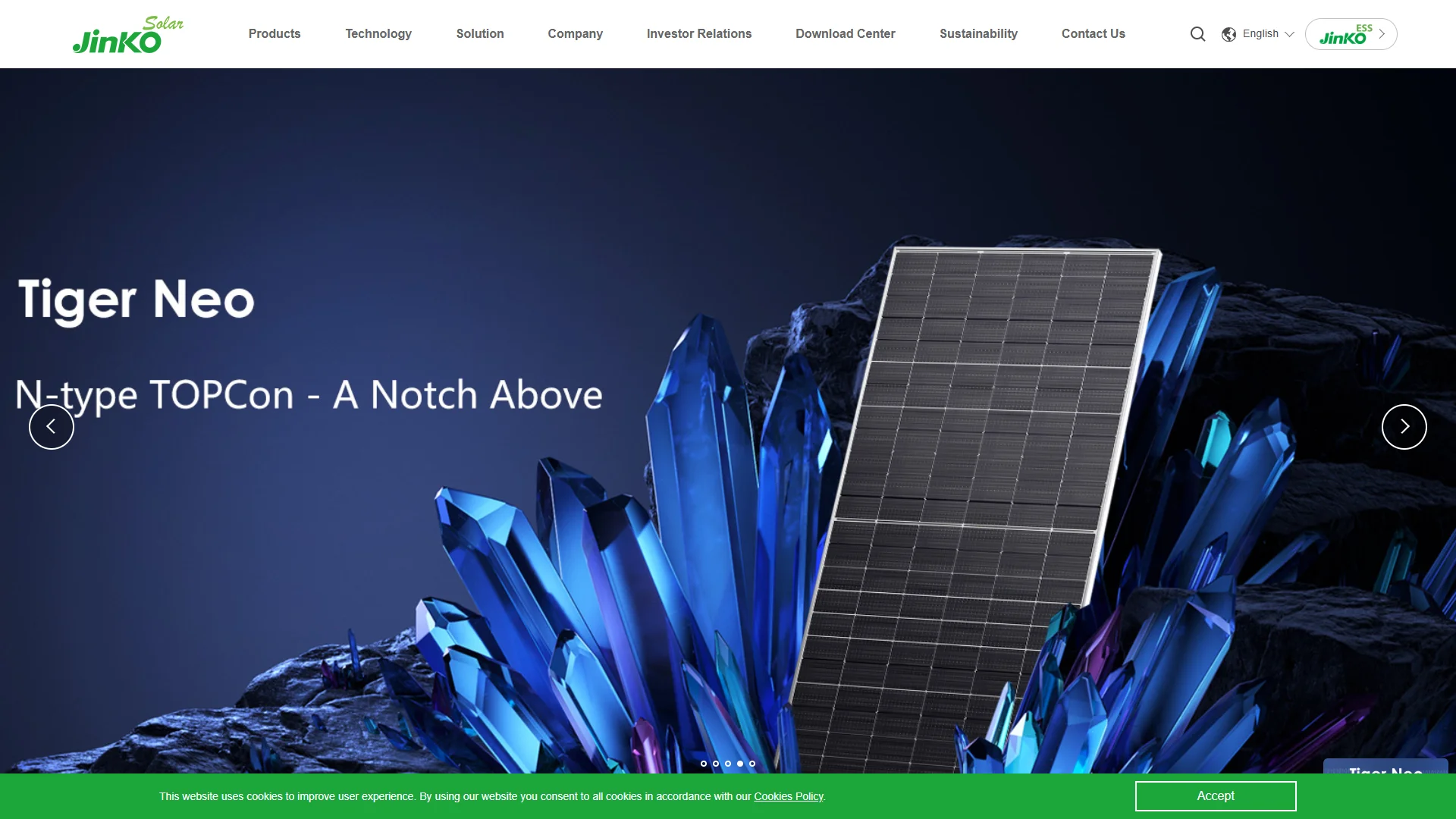
For further information, visit the official site for anti-glare solar panels Manufacturers in China.
The Hook
Choosing solar modules for a glare-sensitive site is more difficult than comparing rated power alone. Reflection can depend on the front-glass texture, anti-reflective treatment, cell layout, mounting angle, nearby viewing areas, and local planning requirements. Product families also change over time, while “anti-glare” is not always used as a standardized technical category by manufacturers. This comparison examines six shortlisted manufacturers and technology providers against published company and product information, with attention to module design, materials, business scope, and suitability for glare-conscious installations. The options are not interchangeable: some are large global module suppliers, while others are more specialized in surface or system solutions. Final selection should be confirmed through current datasheets, project-specific optical assessment, and local approval requirements.
Full List of Top 6 Brands
- Jinkosolar — https://www.jinkosolar.com/en/
- Aikosolar — https://aikosolar.com/
- Solitek — https://www.solitek.eu/
- LONGi — https://www.longi.com/
- Phytonics — https://www.phytonics.com/
- JA Solar — https://www.jasolar.eu/
Comparison Table
| Brand | Key Products | Key Features | Best For |
|---|---|---|---|
| Jinkosolar | Tiger Neo and other photovoltaic module families | Large-scale module portfolio, high-efficiency n-type options, global supply scope | Commercial, utility, and distributed projects requiring broad product support |
| Aikosolar | ABC cell and module products | Back-contact cell architecture, high-efficiency focus, clean front-side appearance | Projects prioritizing module appearance and high conversion efficiency |
| Solitek | Glass-glass solar modules and integrated solar products | Durability-oriented construction, European manufacturing and product positioning | Rooftops and installations where robust module construction is important |
| LONGi | Hi-MO module families and monocrystalline products | Monocrystalline technology, global manufacturing scale, broad application coverage | Residential, commercial, and utility projects with standardized procurement needs |
| Phytonics | Light-management and photovoltaic surface solutions | Specialized approach to controlling reflected light and improving visual integration | Sites where glare analysis or optical integration is a primary concern |
| JA Solar | DeepBlue and other photovoltaic module families | Large-scale production, high-efficiency monocrystalline options, broad international market | Projects seeking established module supply across multiple system types |
Detailed Reviews
1. Jinkosolar
Overview: Jinkosolar, commonly presented as JinkoSolar, is a major photovoltaic manufacturer with a broad international business scope. Its published portfolio includes photovoltaic modules, cells, and related solar solutions, with the Tiger product family representing a prominent part of its module offering. Current product selection should be checked on the company’s regional website because specifications and availability vary by market.

For glare-sensitive projects, Jinkosolar is best assessed at the individual module-model level rather than by brand name alone. Module front glass, anti-reflective treatment, frame design, cell arrangement, installation angle, and the surrounding environment all influence visible reflection. A high-efficiency module can reduce the area needed for a target output, but it does not automatically establish a particular glare performance. A project-specific optical review remains necessary near airports, roads, railways, residences, offices, and other sensitive viewpoints.
Jinkosolar’s scale is a practical advantage for buyers that need documented production, established logistics, multiple module formats, and support across residential, commercial, and utility applications. The company’s n-type offerings, including products marketed under the Tiger Neo family, are positioned around higher-efficiency photovoltaic cell technology and power-density considerations. Buyers should verify the current datasheet for cell type, dimensions, glass specification, operating limits, warranty terms, and any available optical information.
Pros / Key Features:
- Broad module portfolio serving distributed, commercial, and utility-scale applications.
- Established international manufacturing and distribution scope.
- Availability of newer n-type module families in markets where those products are offered.
- Suitable starting point for projects that need supplier scale and standardized documentation.
- Glare suitability can be investigated through model-specific glass data and site analysis rather than assumed from the corporate brand.
Use Cases / Best For: Jinkosolar is a strong general candidate for large commercial roofs, utility projects, and distributed installations that need a widely available module supplier. It is also appropriate for glare-sensitive projects when the selected model is supported by current technical documentation and a qualified glare assessment.
2. Aikosolar
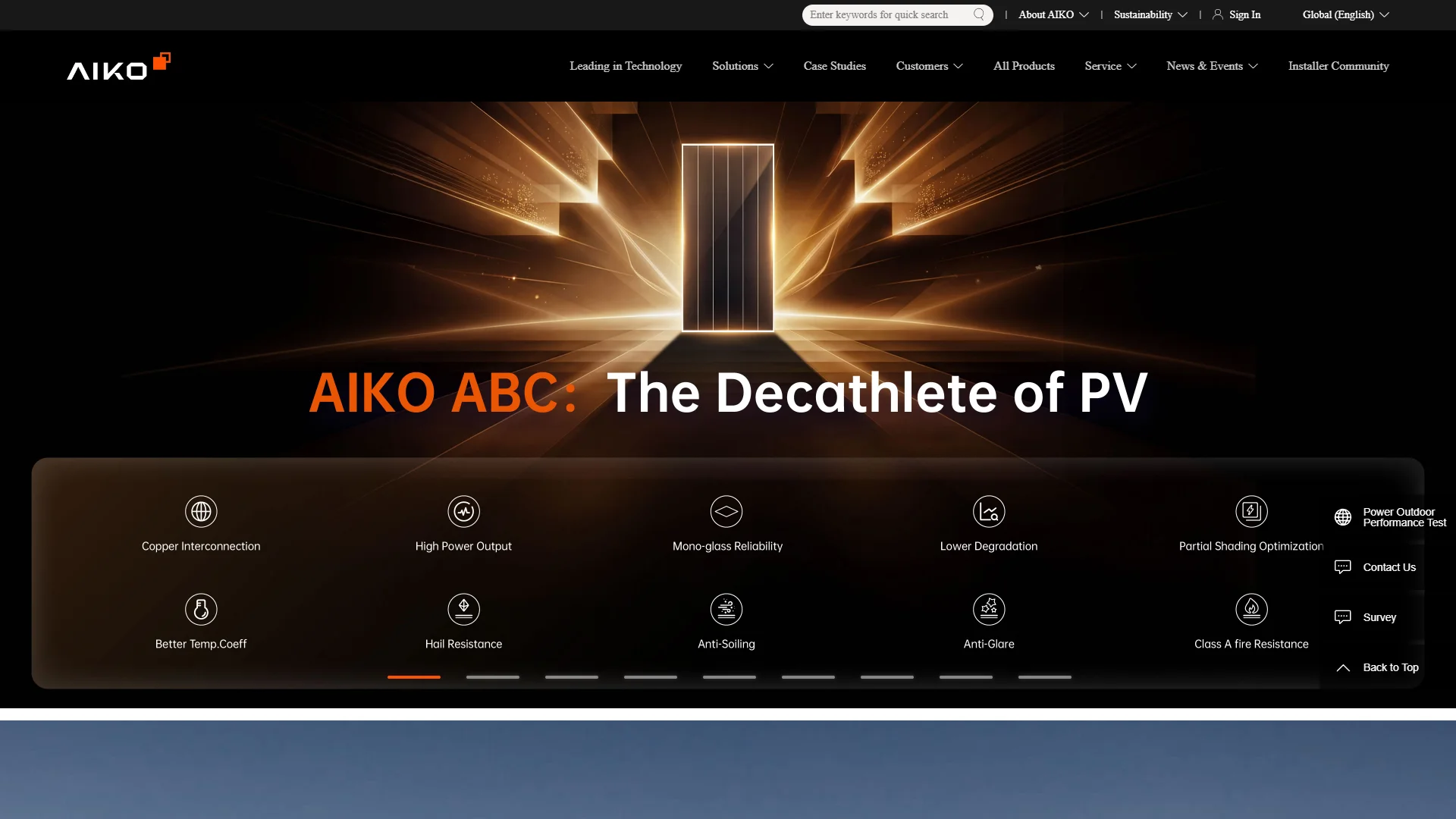
Overview: Aikosolar focuses on photovoltaic cells and modules and is particularly associated with its All Back Contact, or ABC, technology. In a back-contact design, electrical contacts are placed on the rear side of the cell, leaving the front surface visually less interrupted by metal contacts. This construction can be relevant where appearance and front-side visual uniformity matter, although it should not be treated as proof of a specific glare rating.
Pros / Key Features:
- ABC architecture is positioned around high cell efficiency and a cleaner front-side appearance.
- Cell and module specialization supports projects focused on premium module aesthetics.
- Front-glass and optical properties still need to be confirmed in the applicable module datasheet.
Use Cases / Best For: Aikosolar is suited to architectural rooftops, visible façades, premium residential installations, and other projects where appearance and power density are important. A glare review should separately evaluate the selected glass and installation geometry.
3. Solitek
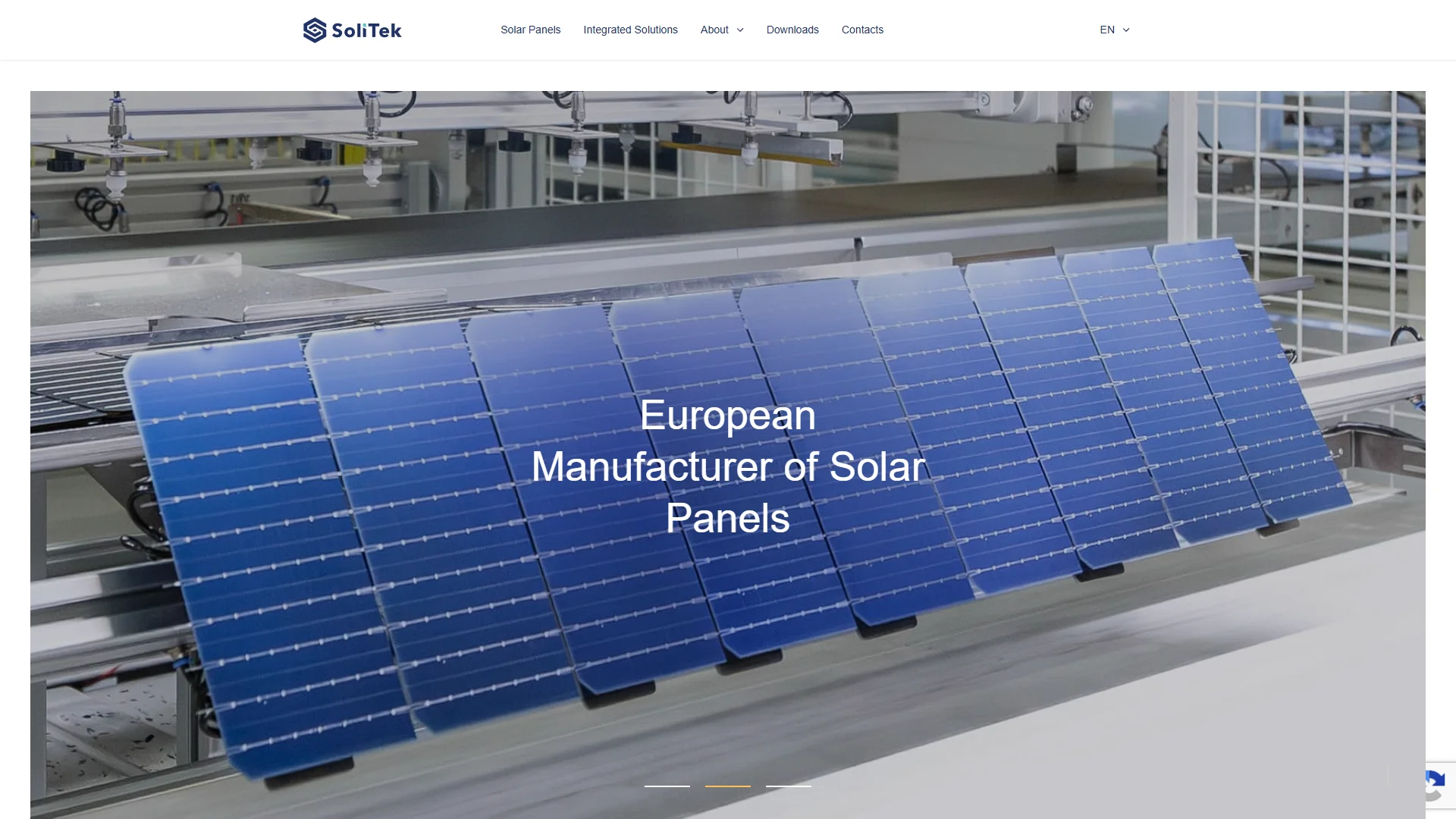
Overview: Solitek develops and manufactures solar modules and related solar-energy products, with a strong emphasis on glass-glass module construction and European market positioning. Its product range includes photovoltaic modules intended for building and distributed-energy applications. The company’s product pages and datasheets should be used to verify the construction, dimensions, certifications, and availability of each model.
Pros / Key Features:
- Glass-glass construction is relevant where mechanical durability and long-term encapsulation performance are priorities.
- Product positioning includes rooftop and building-related solar applications.
- Module appearance and reflection must be evaluated for the exact glass configuration and site angle.
Use Cases / Best For: Solitek can suit residential, commercial, and building-integrated contexts where robust module construction is valued. It may be considered for glare-sensitive roofs after reviewing the exact product’s surface treatment and completing a viewpoint-based assessment.
4. LONGi
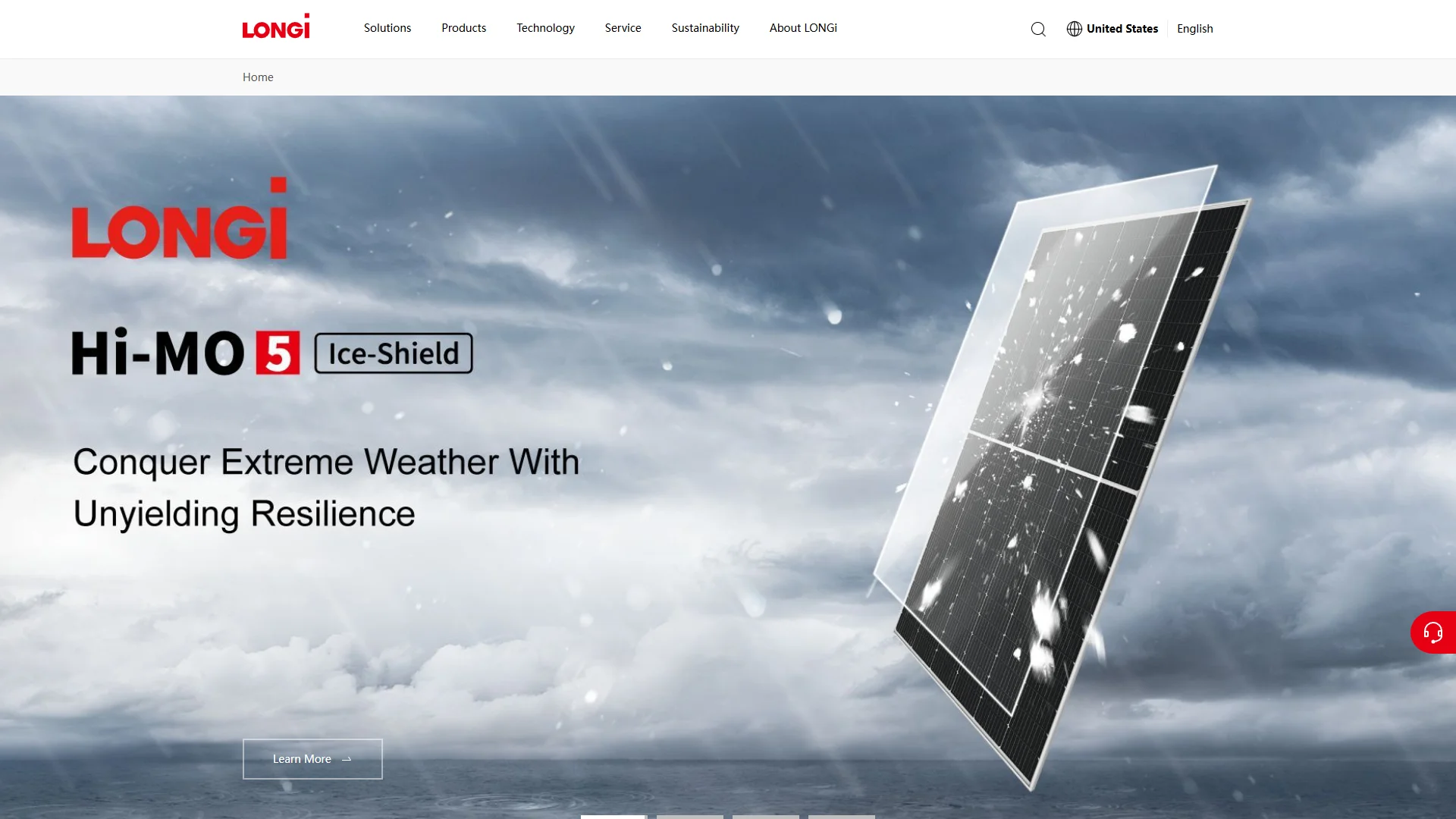
Overview: LONGi is a large photovoltaic manufacturer known for monocrystalline silicon products and module families such as Hi-MO. Its business covers silicon-based photovoltaic materials, cells, modules, and related clean-energy products. The company serves international residential, commercial, industrial, and utility markets.
Pros / Key Features:
- Broad monocrystalline module portfolio for multiple system sizes.
- Large international manufacturing and service footprint.
- Product families are supported by published technical documentation and market-specific information.
- Glare performance should be determined from the selected module’s glass and site configuration.
Use Cases / Best For: LONGi is a practical option for standardized procurement across residential, commercial, and utility projects. It is especially suitable where buyers value product-family continuity and international availability, subject to model-specific glare and planning checks.
5. Phytonics
Overview: Phytonics is positioned around photovoltaic light-management technology rather than only conventional module manufacturing. Its work concerns the treatment and control of reflected light from solar installations, making it relevant to projects where visual impact, reflection, or glare is a central design constraint. The specific solution, substrate, durability data, optical performance, and compatibility requirements must be confirmed directly with the company.
Pros / Key Features:
- Specialized focus on reflected-light management.
- Potential relevance for projects with strict visual or glare constraints.
- Technical evaluation should include measured reflectance, viewing angles, weathering, cleaning, and power-output effects.
Use Cases / Best For: Phytonics is best considered for airports, transport corridors, urban buildings, infrastructure sites, and other projects where conventional module selection alone may not resolve reflection concerns. It should be assessed as a specialized optical solution and validated against the project’s engineering requirements.
6. JA Solar
Overview: JA Solar is an established photovoltaic manufacturer with an international product and sales presence. Its portfolio includes monocrystalline cells and modules, including the DeepBlue product family. The company supplies modules for residential, commercial, industrial, and utility applications, with exact product availability varying by region.
Pros / Key Features:
- Broad module selection for different system sizes and installation types.
- Large production and international distribution capabilities.
- Published product documentation can support engineering and procurement comparisons.
- Anti-reflective or low-reflection suitability should be verified for the exact module model.
Use Cases / Best For: JA Solar is suitable for buyers seeking an established module supplier for rooftop, commercial, and utility projects. It can be shortlisted for glare-conscious installations when the selected module’s optical characteristics and site layout are reviewed together.
How to Choose an Anti-Glare Solar Panel
- Request the exact datasheet. Confirm the model number, front-glass type, surface treatment, dimensions, power rating, and warranty terms. Product-family names alone are not sufficient.
- Ask for optical evidence. Useful information may include reflectance measurements, angular behavior, photometric data, or a documented anti-reflective treatment. A general claim of “low glare” should be supported by measurable information.
- Assess the complete site geometry. Roof pitch, azimuth, mounting height, nearby windows, roads, runways, railways, and seasonal sun paths all affect whether reflection is visible.
- Balance glare control with energy yield. Surface treatments, textured glass, coatings, and protective layers may influence transmission, so compare expected yield with the optical objective.
- Check durability and maintenance. Confirm coating adhesion, abrasion resistance, cleaning requirements, hail resistance, humidity performance, and warranty coverage.
- Review compliance requirements. Airports, transport authorities, building owners, and local planning bodies may impose separate glare studies or approval procedures.
- Verify supply and after-sales support. Compare regional availability, authorized channels, replacement procedures, certifications, and documentation before placing an order.
Final Verdict
Jinkosolar is the strongest overall starting point for buyers seeking a broad, internationally supported photovoltaic portfolio, provided that glare performance is checked for the exact module and site. Aikosolar is more appealing where back-contact aesthetics and efficiency are priorities. Solitek suits buyers focused on durable glass-glass construction and building applications. LONGi and JA Solar offer broad, established module portfolios for standardized residential, commercial, and utility procurement. Phytonics is the most specialized option when reflected-light management is the central engineering issue. No manufacturer should be selected solely from a brand ranking: the final decision should combine optical evidence, energy modeling, durability data, compliance review, and project-specific installation analysis.
FAQs
1. Are all solar panels from these manufacturers automatically anti-glare?
No. Glare characteristics depend on the specific module, front glass, surface treatment, installation angle, and surrounding environment. A manufacturer’s general product range does not establish a universal anti-glare rating.
2. What is the most important document to request?
Request the current datasheet for the exact module model, together with any available reflectance, optical, coating, certification, warranty, and durability information. For sensitive sites, also obtain a qualified glare assessment.
3. Can a high-efficiency module reduce glare?
Higher efficiency may reduce the number of modules required for a target output, but it does not necessarily reduce reflection from each module. Glare must be assessed through the module’s optical properties and the geometry of the completed installation.