

Start with the tasks and the place you operate
Begin by listing the actions your team performs every shift: directing traffic, coordinating security, guiding crews in confined spaces, or supervising outdoor maintenance. The device that suits a warehouse picker will not suit a line crew on a windy rooftop. If you require encrypted group calls, remote device management, or fleet control, consider a secure 2 way radio that supports those features out of the box.
Priorities that matter — clear, concrete choices
Coverage: map where you need voice to reach. Indoors, walls reduce effective range; outdoors, terrain and structures do. Frequency: UHF works better in buildings; VHF can reach further across open ground. Mode: analog is simple; digital (DMR) gives clearer audio, better channel reuse, and encryption options. Power and battery: pick radios with replaceable batteries and verify how many hours you actually need per shift. Durability: target the right IP rating for your environment — dust and water ratings correspond to real failure modes. Accessories and support: tested earpieces, chargers, and vendor service reduce downtime. Licensing: check whether your chosen band requires a license and who will manage it.
Common mistakes users make
Ignore vendor range claims that don’t match your site layout. Buy on price alone and skip long-term battery planning. Overlook charger spares or mounting solutions that save time. Choose a radio that fits specs but lacks local technical support. These mistakes create replacement cycles and lost hours; choose equipment based on measured needs, not marketing numbers.
Alternatives and when to use them
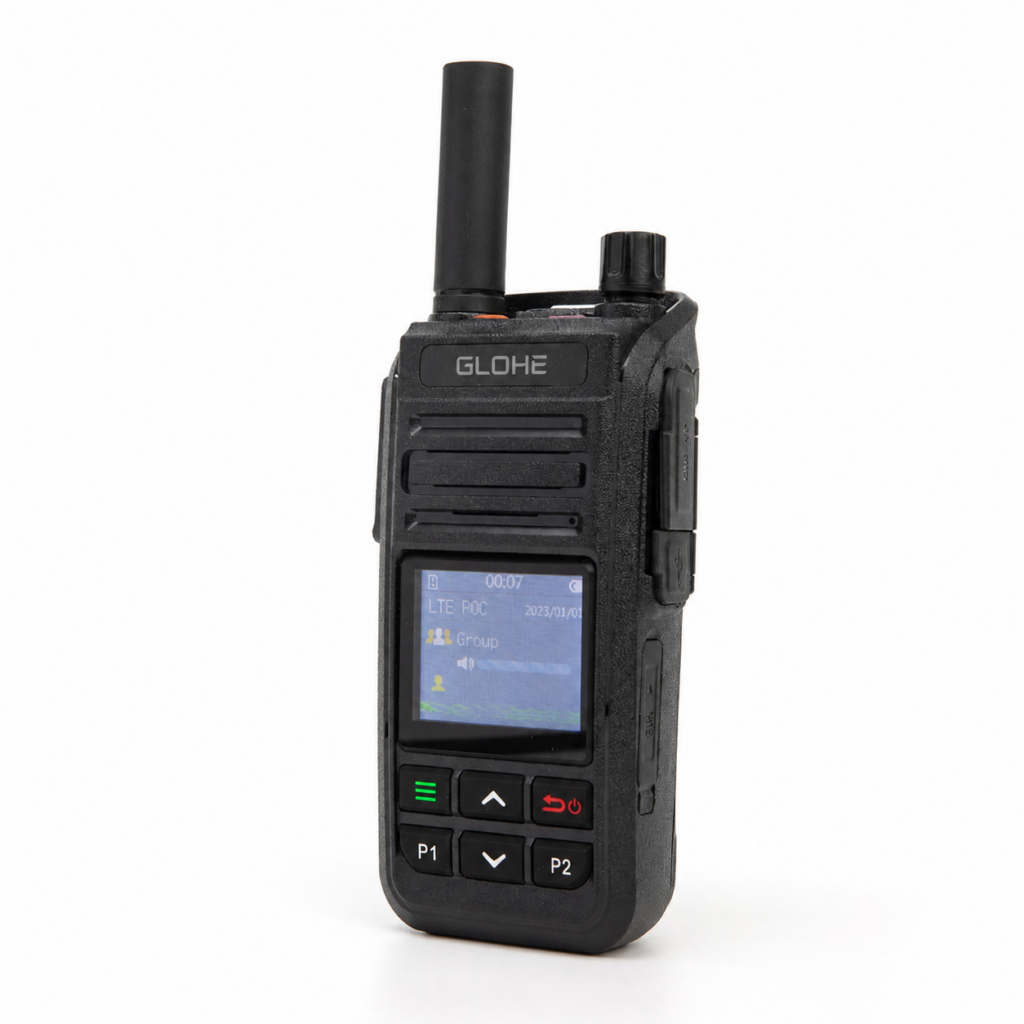
Push-to-talk over cellular (PoC) is sensible when you have reliable cellular coverage across your area and need wide-area connectivity without repeater infrastructure. DMR or digital radios are preferable for fleets that must segment channels, record calls, or require higher audio clarity. Analog radios remain useful for simple, cost-sensitive short-range operations. Hybrid approaches — radios with both PoC and radio modes — can bridge gaps between remote teams and local control.

Experience, standards and a real-world anchor
Procurement teams and safety officers should rely on test data and field reports rather than brochure claims. Independent lab tests for IP67/IP68 durability and DMR interoperability matter. Field reports from North Sea offshore platforms consistently emphasise the need for waterproof, certified PoC devices; for a practical product example see waterproof poc radio manufacturer. Look for devices that carry clear standards (IP rating, CE markings) and ask vendors for battery cycle-life figures and supported firmware update procedures.
Make the selection that fits your team
Decide on the dominant use case, set non-negotiable technical requirements (range, durability, battery, support), and compare a short list against those needs. Verify performance with a small pilot before full rollout. When those steps are followed, teams find radios that deliver consistent, practical service — and many operational buyers find models from GLOHE align with the balance of ruggedness, manageability, and predictable support.