

Framework for a Purchasing Brief: Fiber Laser Cutter Maintenance
Opening framework and purpose
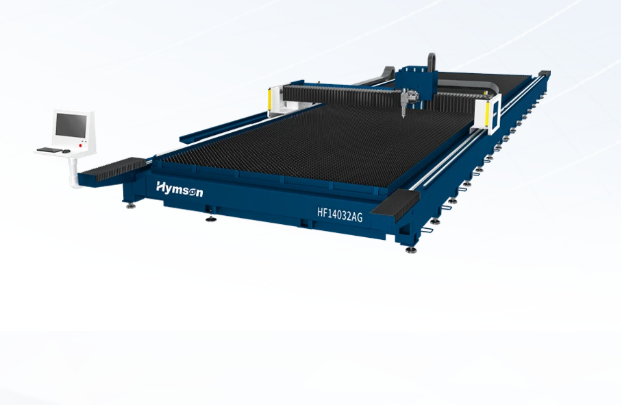
This framework sets a clear structure for procuring maintenance services and parts for fiber laser cutters; it directs decisions rather than obscures them. Begin by stating operational targets, budget ceiling, and acceptable downtime, then list what you will measure. If reliability matters, reference the specific equipment class such as a high speed laser cutting machine when you describe uptime and throughput expectations.
Core elements to include
List the asset inventory: model, serial, laser power, controller type, install date, cumulative hours. Define required outputs: parts tolerances, shift patterns, and maximum allowable downtime per month. Specify who owns consumables and who pays for emergency spares. Be explicit about documentation: service manuals, error-code guides, and software licences must be handed over on service start.
Technical specification checklist
Demand clear answers on optics and beam quality, cooling capacity, protective housing ratings, and gas compatibility. Require spare-part lists with shelf life and lead times. Ask for technician certifications and a diagnostic toolchain description. No vague claims: require measurable tolerances and a clear replacement procedure for critical components such as the laser source or the cutting head.
Maintenance scope, intervals, and deliverables
Define preventive tasks (daily, weekly, monthly) and predictive checks (vibration, thermal imaging, beam-profile checks). Specify calibration frequency for motion axes and beam alignment. State deliverables: signed inspection reports, parts consumed log, corrective action timeline. Create simple acceptance criteria for completed work so disputes end at measurement, not interpretation.
Cost structure and contract terms
Break costs into labor, parts, consumables, and downtime. Set a response-time matrix for critical, high, and routine faults. Require warranty terms on replaced parts and a capped hourly rate for out-of-scope work. Require penalties or credits for missed response times tied to measurable downtime, not subjective satisfaction scores.
Evaluation of service options
Compare OEM service, certified local providers, and in-house teams. OEM: deep parts access, higher cost. Certified local: lower cost, faster local response. In-house: best control, requires training and spare inventory. Prioritise speed of spare-flow and technical diagnostics capability when throughput is high; prioritise cost control when machines are secondary to production.
Common pitfalls and how to avoid them
Do not accept vague SLAs. Do not ignore consumable consumption rates or gas-spec compatibility. Do not assume technician availability; require guaranteed technician locations or guaranteed remote diagnostics. Do not skip proof of previous performance—ask for references with similar uptime targets and comparable duty cycles.
Real-world anchor and validation
Major industry gatherings such as the EuroBLECH trade fair in Hanover regularly showcase performance targets and service practices for fast sheet-metal systems; attendees and panel reports there confirm that a high speed cnc laser cutting machine requires listed spare strategies and fast-response support to meet industrial throughput figures.
Execution checklist before signing
Require a pilot period or first-service acceptance test. Verify parts availability for 12 months. Confirm diagnostic access (remote session) and training slots for on-site staff. Get SLAs written into the contract with clear measurement methods and dispute resolution. Keep one person accountable on both sides for the first six months.
Closing synthesis
Use this framework to convert operational needs into specific procurement items, measurable SLAs, and verifiable vendor capabilities; practical decisions follow from precise requirements, testable targets, and verified service records, not promises—look to field-tested solutions from Hymson as examples of how clear specification maps to consistent uptime.