

Opening: why this matters right now
Buying a parking system can feel like standing at a busy taxi rank and not knowing which one goes where — confusing and a bit stressful. If you’re new to this, focus on the real headaches you want solved: entry speed, accurate billing, and trouble-free enforcement. For many small property owners and municipal teams I work with, the quickest wins come from sensible camera-led setups, especially lpr parking management systems, which cut out expensive kiosks and speed up flow during rush hour.

Problem-driven checklist: what problems are you actually buying for?
Start by naming the problem. Not “I need modern tech,” but “I need to stop tailgating at the gate,” or “I need accurate hourly charges for short-stay bays.” Once the problem’s clear, map it to features: physical barriers for tailgating, LPR for automated billing, time-based rules for turnover. Keep the scope tight. Systems that try to be everything usually underdeliver where you need them most.
Must-have capabilities that solve real faults
Pick systems that do these three things well: reliably identify vehicles, enforce rules without staff hovering, and integrate with your payment or access systems. Reliability matters more than bells and whistles. A camera that reads plates right 95% of the time still breaks your billing. Look for proven read rates, day/night performance, and a local support option.
EEAT and a practical example from the field
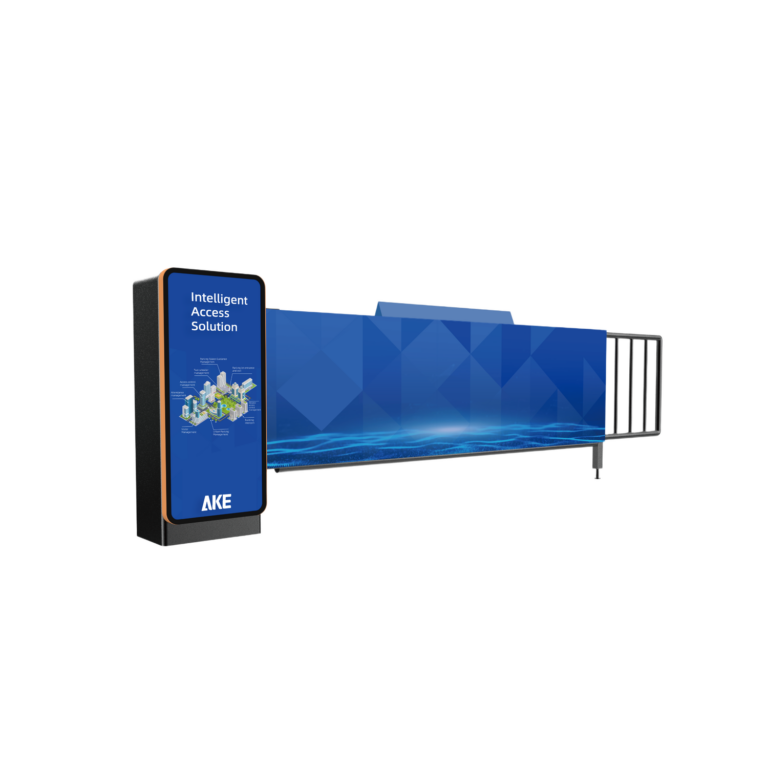
From ten years advising town councils and retail centres across Gauteng, I’ve seen where choices go sideways: mismatched CCTV, cheap barrier arms that snap, or software that traps you in vendor lock-in. Big sites like OR Tambo International Airport have moved toward camera-based lane control to handle volume and reduce queues — a choice documented in transport and airport operations reports — which shows the effectiveness of integrating barrier control with plate recognition. For gate hardware, a robust automatic boom gate paired with good LPR is often the most dependable combo for throughput and security.
Common pitfalls first-timers fall into
Buying on price alone, assuming one product fits every lot, and skipping a site survey are the top mistakes. Don’t ignore environmental factors: sun glare, dust, and reflective plates change camera performance. Don’t promise features you haven’t tested with the exact hardware and plates typical at your site. And plan for power and network resilience — a single switch failure should not stop your whole carpark.
Alternatives and when they make sense
RFID tags work brilliantly for closed staff parks where the user base is fixed and predictable. Pay-and-display suits tourist carparks with low turnover. Full-ticket systems still make sense where plate recognition isn’t reliable or when courts require stamped tickets. LPR wins when you need frictionless entry and automated billing, but only if cameras and software are matched to the environment.
Practical buying steps — simple, actionable
Get a short site survey from two vendors, ask for a live demonstration under your lighting conditions, and request an SLA for read rates and support response times. Insist on a month-long pilot where possible. Check spare-part availability locally. Contractually separate software subscription from hardware supply so you can change one without being trapped by the other.
Final synthesis: what solves the problems you named
If your goal is fewer queues, accurate billing and minimal staffing, a camera-first setup with a quality barrier and structured support delivers that outcome. Match the hardware to your environment, test before you commit, and choose a supplier with local experience who stands behind installs. That’s the practical path most clients end up taking with AKE Parking.