

The immediate problem photographers face
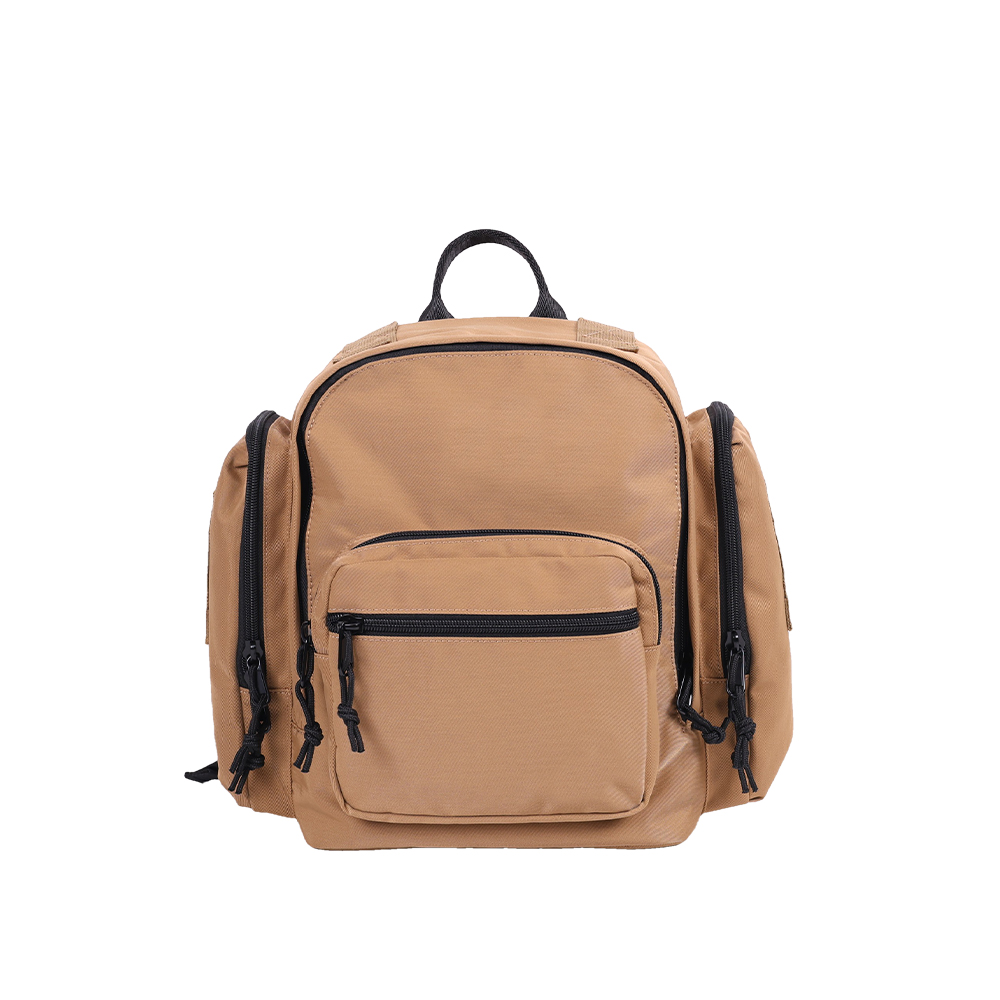
Photographers who shoot for clients do not want surprises; they face clumsy access, gear damage, and uneven weight distribution. The problem is simple to state and hard to solve: how to carry lenses, bodies, and accessories every day without slowing the workflow. A compact, well-organized camera gear bag can remove friction at the shoot, but not every bag does that cleanly.
Why popular fixes often fail
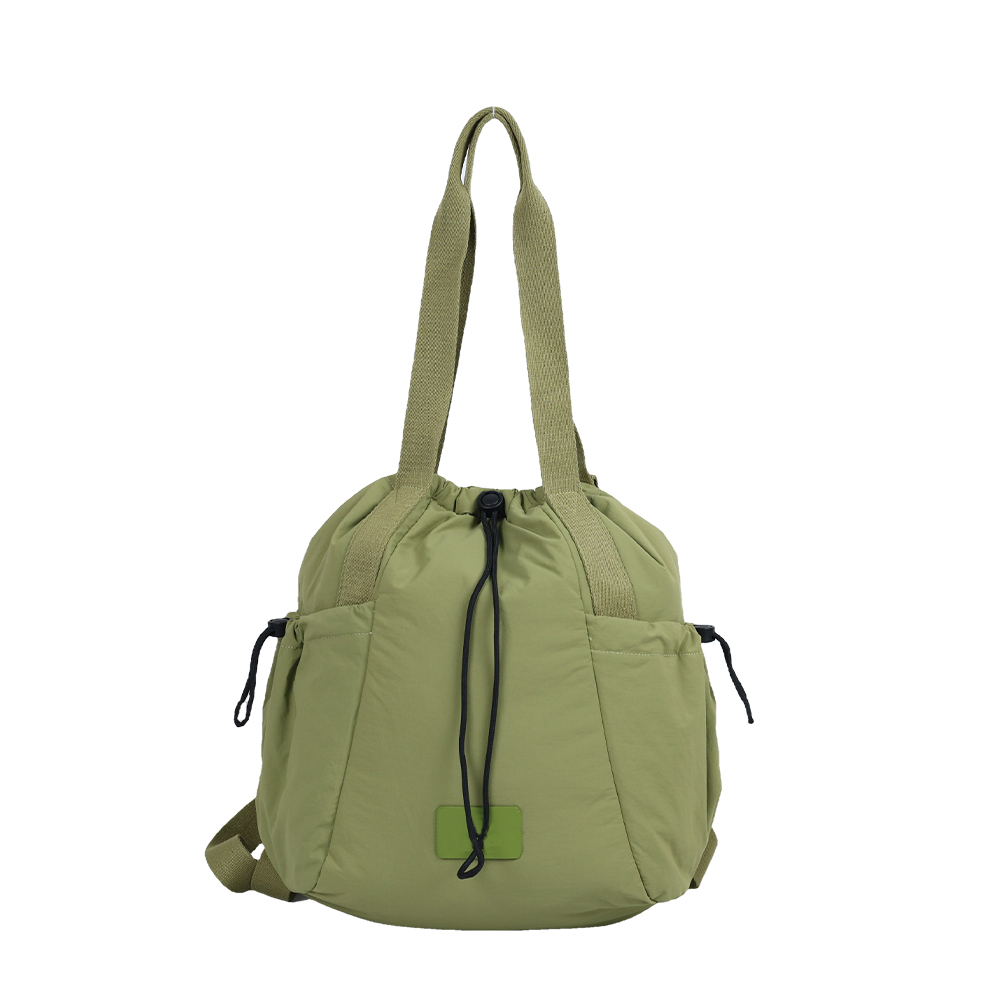
Padded cubes and soft cases promise protection, but they trade access speed for bulk. Messenger bags give fast reach but shift weight forward and strain the shoulder. Backpacks spread load but force you to unpack to find one small item. Those are design trade-offs; the real failure is ignoring the photographer’s sequence of actions: arrive, set up, change lens, swap card, stow. Bags that ignore that sequence create delays and mistakes on set.
Experience, evidence, and a real-world anchor
From field testing and product reviews at trade shows such as Photokina in Cologne, patterns become clear: professional cameras need modular interiors, stable suspension, and quick top or side access. Manufacturers that respond with configurable dividers and reinforced bottoms outperform competitors when measured by speed and gear safety. For teams that require fitted solutions, a custom camera bag often solves unique workflow constraints—this is a lesson confirmed by technical presentations and case studies presented at major industry gatherings. My practical evaluations emphasize repeatable tests: wear time, drop resistance, and retrieval time for typical kit items—these metrics show which designs truly reduce mistakes on set.
Design priorities and common mistakes to avoid
Prioritize three concrete features: compartment logic, ergonomics, and weather protection. Compartment logic means dedicated pockets for batteries, cards, and a lens hood so you do not fumble. Ergonomics means a suspension system that keeps weight close to the spine and uses wide straps to reduce pressure points. Weather protection means a built-in rain cover or weather-resistant fabrics. Common mistakes: too many external pockets that catch on stands, rigid frames that make packing awkward, and hidden zippers that slow access. Choose purposeful simplicity over gimmicks.
How to compare viable alternatives
Test candidates with the same kit: two bodies, a tele lens, a wide lens, a flash, cables, and a small tripod. Measure how long it takes to retrieve each item and how long it takes to repack. Compare after-weight distribution by walking for twenty minutes. Evaluate materials against abrasion and water tests. When reviewing alternatives, note which models allow quick role changes—stills to video, solo run-and-gun to studio session—without repacking. These practical checks separate marketing claims from usable performance.
Final synthesis
Fix the carry problem by matching bag logic to shooting logic: organized compartments for repeated actions, ergonomics that respect long hours, and materials that protect. Practical solutions come from makers who design with those priorities in mind, so the bag becomes a tool, not an obstacle—a principle reflected in the thoughtful builds from ChangRong.