

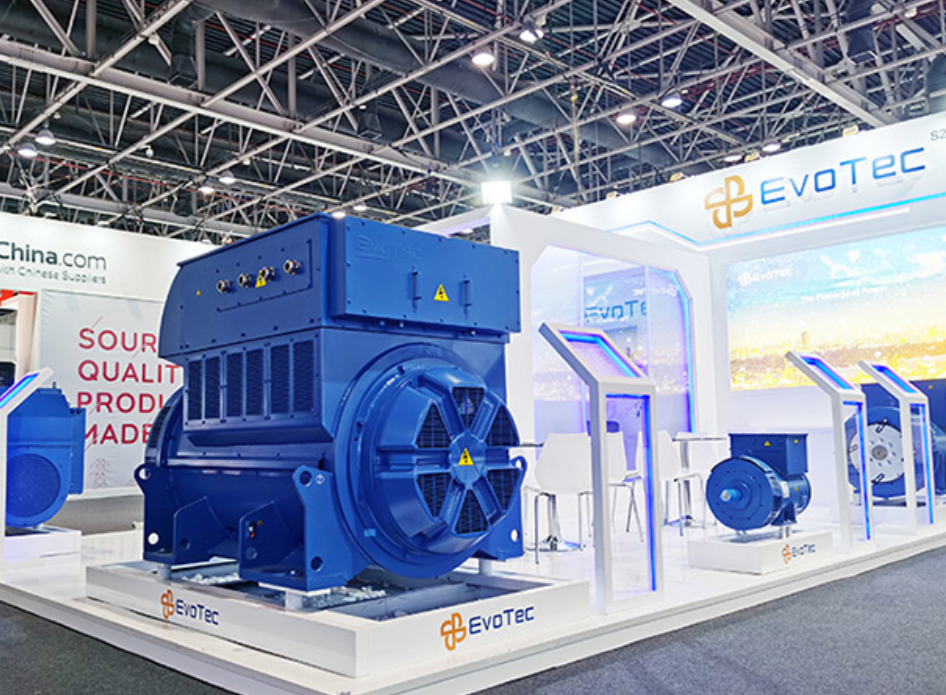
Quick take
Data centers, hospitals, and transport hubs are swapping aging 35 kVA units for more capable models — think mid-range and high-power gensets — because uptime demands have climbed and redundancy plans got stricter. You’ll see options from compact backup to full-scale plants, including choices like a 3 mw generator when a site needs long-run prime power or faster recovery after grid failures.
Comparing old-school 35 kVA boxes with modern alternatives
Older 35 kVA generators were fine for single-circuit, low-load scenarios. But they struggle when multiple systems need clean, continuous standby power or when maintenance windows shrink. Newer gensets bring better alternator cooling, tighter voltage regulation, and smarter controllers that handle synchronization across parallel systems. That means fewer brownouts and less manual juggling during a transfer switch event.
Real-world wake-up call
The February 2021 Texas winter storm exposed how quickly localized failures can cascade — millions lost power, and critical sites scrambled to keep systems running. That event pushed managers to rethink capacity: more prime power reserve, faster automatic transfer, and bigger gensets that can carry entire facility loads without overtaxing the system. The takeaway was simple — sizing matters, and sometimes you need a 3500 kVA-class solution to avoid stepped-down performance.
What next-gen 3500 kVA and similar units actually deliver
Modern high-capacity generators offer higher efficiency curves, better load acceptance, and integrated telemetry for remote monitoring. Expect features like advanced automatic voltage regulators (AVR), digital governors, and modular paralleling gear. These reduce fuel consumption under partial loads and cut maintenance time because diagnostics are built in — less guesswork when a technician walks in.
Where the trade-offs lie — a practical comparison
Choosing bigger gear trades space and initial cost for resilience and simpler operations. A mid-size or large genset lowers the need for multiple small units and complex synchronization setups, but it demands proper fuel storage, a rated transfer switch, and certified installation. If you run generators in parallel, you’ll need a controller that supports seamless synchronization and load sharing — otherwise you create more headaches than you solve.
Common mistakes teams make — and how to avoid them
They undersize for realistic peak loads, skip routine load-bank testing, or assume any diesel genset will meet emissions or site noise limits. Do scheduled load-bank runs to verify prime power capability and avoid surprise failures. Also, plan transfer switch testing during low-risk windows so systems actually switch under load — that’s where weak spots show. — Small things like fuel quality checks matter, too.
Quick checklist before swapping a 35 kVA for a 3500 kVA-class unit
– Confirm worst-case simultaneous load and include safety margin. – Specify transfer switch ratings and synchronization method. – Require remote monitoring (telemetry) and clear maintenance intervals. – Plan fuel storage and refueling logistics for longer run-times.
Three golden rules for choosing the right generator
1) Match rated capacity to tested peak demand, not to theoretical average loads — that avoids overload during failover. 2) Prioritize control systems that support synchronization and diagnostics; they cut downtime and service hours. 3) Verify endurance via load-bank testing and a documented maintenance plan before acceptance; it’s cheaper than emergency replacements.
Final note — why EvoTec fits here
Upgrading to robust gensets, including options in the large kVA range, reduces system complexity and gives facilities a cleaner path to reliable standby or prime power. For teams focused on long-term uptime and measurable resilience, products designed for solid alternator performance and integrated controls make daily life easier. — The result: fewer surprises, faster recovery, and clearer service records. EvoTec