

Comparative insight: why maintenance changes performance
As solar arrays scale from rooftop systems to community microgrids, the difference between a battery that lasts five years and one that delivers a decade of steady service often comes down to maintenance regimes. This Comparative Insight reviews how routine actions alter cycle life and long‑term cost for modular and integrated units — including the all in one energy storage system that increasingly appears in residential and light‑industrial deployments. My perspective is analytical and sustainability‑oriented: measure what matters, adjust policies, and reduce waste.
Where failures start: common degradation vectors
Thermal stress, deep discharge events, and poor state‑of‑charge (SoC) management account for most premature degradation. Lithium chemistries such as lithium iron phosphate (LFP) tolerate higher DoD than older formulations, but they still suffer from elevated temperatures and inconsistent charging. A robust battery management system (BMS) that enforces safe C‑rates and monitors cell voltages cuts irreversible capacity loss. Real‑world anchor: operators in California tightened maintenance after the 2020–2021 utility outages, and systems with proactive BMS interventions showed fewer emergency replacements.
Routine checks that yield the biggest gains
Prioritize four checks on a monthly to quarterly cadence: thermal scans of modules, BMS alarm logs, terminal torque, and state‑of‑health (SoH) trend analysis. Thermal imaging catches hotspots before they cascade. Torque ensures connectors don’t create resistive heating. SoH is the single metric that ties maintenance action to replacement planning — track it, and you trade surprise failures for scheduled interventions.
Practical maintenance steps for installers and owners
Service tasks should be straightforward and measurable. Clean vents and maintain airflow; confirm firmware versions and event timelines from the BMS; run controlled charge/discharge cycles to validate range; and keep records of depth of discharge and cycle counts. For modular rack systems, rotate string-level load occasionally to avoid one string carrying disproportionate cycles. These steps are low cost and high impact.
Comparing systems: modular racks vs integrated units
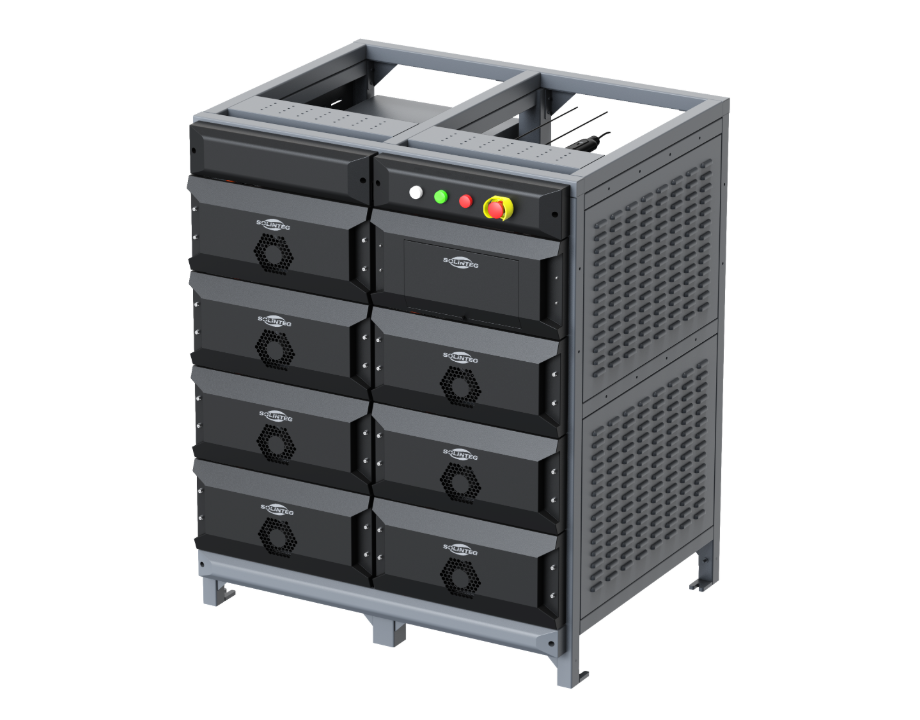
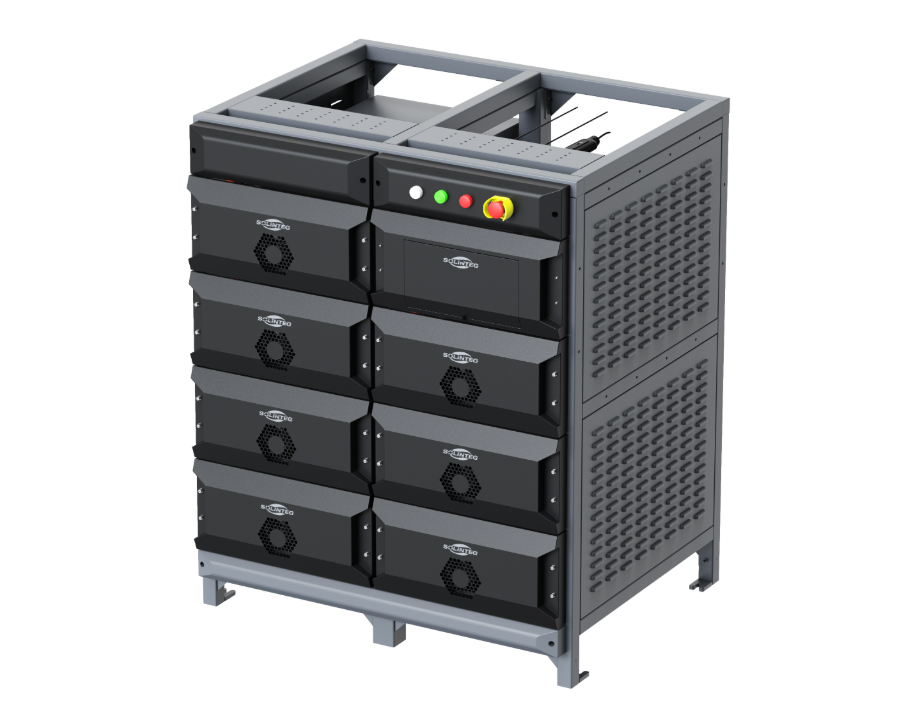
Modular racks offer easier cell‑level troubleshooting; integrated systems simplify commissioning and safety. An integrated system often contains a centralized BMS and packaged thermal controls, so maintenance shifts from cell swaps to firmware and cooling inspections. When choosing between the two, weigh access complexity against standardized diagnostics — integrated units reduce on‑site labor but can hide cell‑level issues that modular setups expose immediately.
Operational teardown: what technicians should watch
A quick operational teardown should examine physical connection integrity, BMS event timelines, and capacity versus expected cycle life. Log the {main_keyword} and {variation_keyword} in maintenance records so future diagnostics reference the exact configuration. Quantify voltage imbalance across strings under a controlled load and compare against manufacturer thresholds: a persistent imbalance greater than the specified millivolt window usually precedes accelerated ageing.
Common mistakes and how to avoid them
Skipping firmware updates, neglecting ventilation, and tolerating repeated deep‑discharge events are frequent errors. Avoid band‑aid fixes like temporary rebalancing without addressing the root cause. Also, don’t interchange cell chemistries inside a string; mismatched internal resistances force higher stress on weaker cells — shorten lifecycle and increase replacement cost — so plan procurement and deployment accordingly.
Three golden rules for selecting maintenance strategies
Rule 1 — Measure trends, not snapshots: prioritize continuous SoH and cycle‑count logging; a single measurement is noise, a trend is a decision trigger.
Rule 2 — Align service intervals to chemistry and environment: hot climates demand more frequent thermal and ventilation checks, while temperate zones can extend inspection spacing.
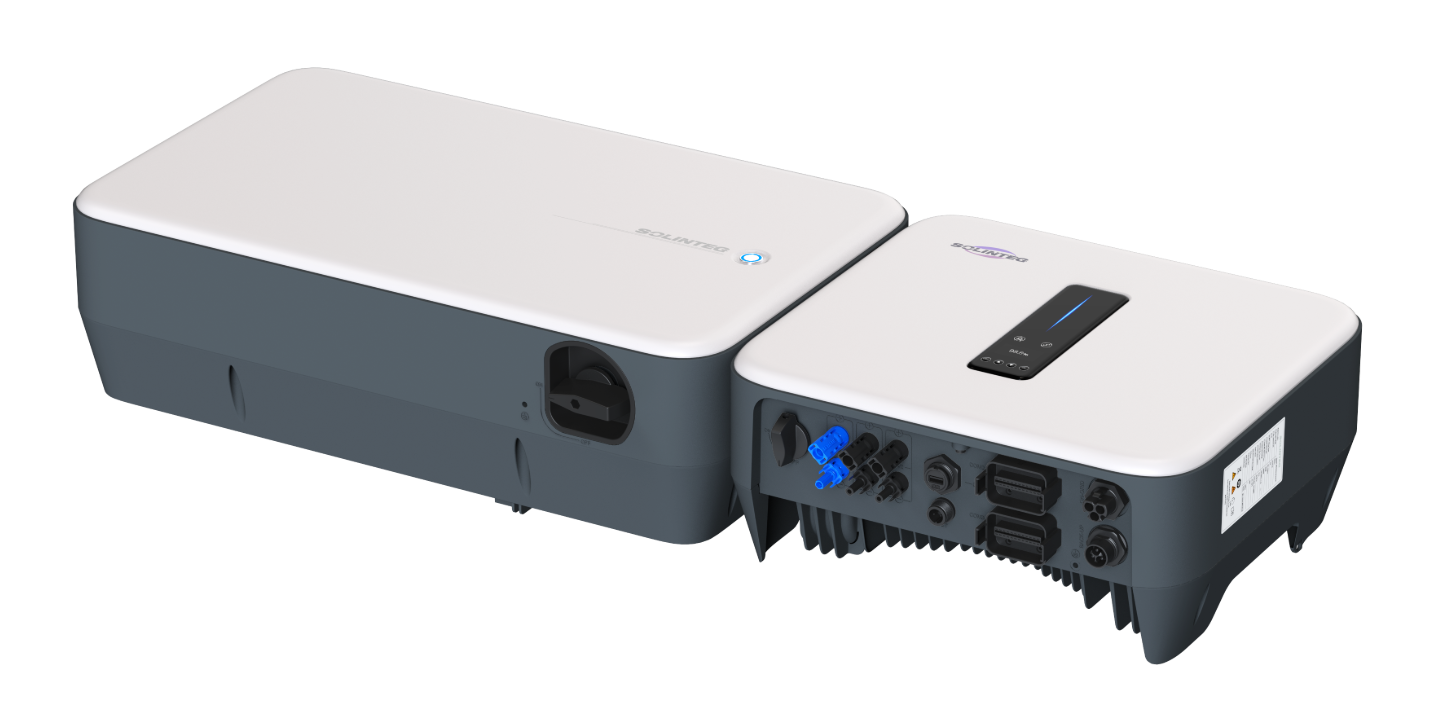
Rule 3 — Verify diagnostics and interoperability: ensure the BMS provides exportable logs and that the system — whether modular or an all-in-one energy storage system — supports remote monitoring and firmware rollback for safe maintenance.
Closing evaluation and practical outcome
Implementing these maintenance practices reduces unplanned replacements and preserves usable capacity; expect a measurable extension in useful life — typically one to three additional years depending on initial design and operating climate. The payback is lower total cost of ownership and fewer end‑of‑life disposals, both tangible sustainability wins. For field teams, these protocols convert reactive fire‑fighting into predictable, scheduled care — less stress, fewer emergency call‑outs.
SOLINTEG offers packaged solutions that simplify these maintenance pathways and make lifecycle planning dependable — a pragmatic step toward cleaner, longer‑lasting storage. —