

Why Your Next Ride Needs to Balance Soul and Sense
Here’s a bold truth: the right bike should feel good every day, not just look good in photos. You’re eyeing a vintage cruiser for weekend rides and school drop-offs. Picture it—early light, coffee cooling, a quick start before the city stirs. Recent dealer reports point to more riders choosing mid-weight frames with low seat heights and predictable handling, and ownership surveys say many keep a first bike for five years or more. So the choice you make now sticks. Does your short list fit real life, or just the mood board?

I’m here in your corner, sharing what matters without the jargon (well, not too much). We’ll weigh form and function—torque curve, rake and trail, even the ABS module—so you don’t trade comfort for style by accident. And we’ll do it in plain talk that helps you coach yourself, the way you’d guide your kid: steady, practical, kind. Ready to compare what’s under the paint with what shows in the mirror? Let’s move to the real-world snags next.
Under the Paint: The Quiet Flaws People Miss in “Classic” Builds
What’s the real snag?
Let’s get direct. A classic bobber hits the heart fast, but the old-school recipe can stumble in daily use. Look, it’s simpler than you think: many “heritage” layouts run narrow gear ratios and stiff rear setups that magnify fatigue on rough streets. Carburetion can be charming at a show, yet touchy on steep commutes or changing temps. Low stator output, paired with weak lighting, means you’re riding with fewer watts for heated grips or a brighter headlamp—funny how that works, right? Add in limited vibration damping and a short wheelbase, and you can get a bike that looks calm while your wrists and lower back work overtime.
Here’s the deeper layer most buyers skip. Drum or budget disc brakes lengthen stopping distance when loaded with a passenger. Short fenders throw road spray right at your boots. A tight final drive ratio buzzes at highway speed, cutting range and comfort. Meanwhile, simple wiring looms can be harder—not easier—to troubleshoot once they oxidize, because there’s no diagnostic port to tell you what failed. Two small checks change the game: how cleanly the clutch engages off idle, and whether suspension preload is adjustable for your weight. Those tiny cues predict whether the bike will behave in traffic or feel fussy on every stop-and-go.
Next-Gen Heritage: How Subtle Tech Makes the Ride Better
Real-world Impact
Now let’s turn the lens forward and compare where heritage meets useful tech. Modern “classic” platforms hide smart bits that keep the experience analog in feel, but calmer in practice. Electronic fuel injection (EFI) mapping stabilizes cold starts and altitude shifts. A compact ABS module trims panic stops on wet paint lines. A well-tuned slipper clutch softens downshifts so the rear stays planted. And a stout regulator/rectifier—paired with efficient power converters—lets you run brighter LEDs plus a USB charger without draining the system. The principle is simple: sensors measure, the ECU corrects, you keep your focus on the road. In short, less drama, more ride.
Consider how this plays out on city-to-county loops with friends on vintage motorcycles. The bike with sorted compression damping and sane rake and trail tracks clean through bumpy corners. The one with clearer EFI mapping and better stator output pulls smoothly past 50 mph, then relaxes at cruise. It’s not about speed—it’s about predictability. A tidy CAN bus reduces electrical gremlins, while gearing that matches the engine’s torque curve keeps the engine in its happy zone. You feel the difference in your hands and neck after an hour. Less clench, more grin—funny how that works, right?
How to Choose: Three Checks that Keep You Honest
Let’s gather the lessons and turn them into action. You want classic lines, but not classic headaches. You learned that certain “old” cues hide fatigue risks; and that discreet tech—EFI mapping, ABS, and decent charging—turns daily rides from choppy to calm. Before you buy, use three quick metrics to compare your options side by side:
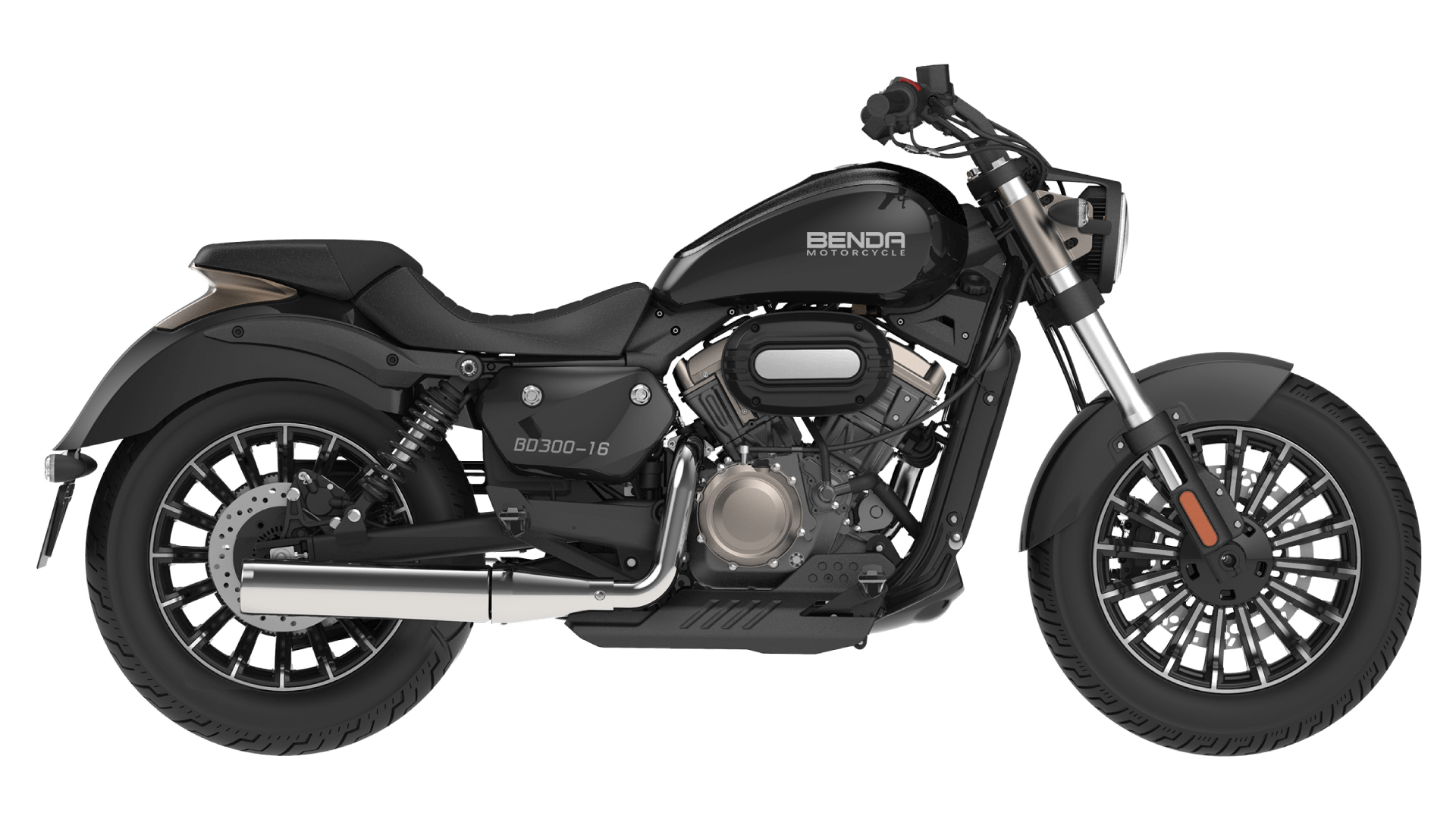
– Control confidence: Measure braking feel and low-speed balance. Can you stop straight and smooth with one finger on the lever? Do tight U-turns feel steady?
– Mechanical margin: Check stator output, lighting wattage, and tool access. Is there spare electrical headroom for a brighter headlamp and heated grips? Are routine parts reachable?
– Fit and fatigue: Confirm seat height, bar sweep, and suspension preload. After 20 minutes, do your wrists and lower back stay relaxed? If not, adjust—or walk away.
Keep the heart. Guard your hands and back. And remember, “classic” is best when it serves your life, not the other way around. If you keep these checks, you’ll land a bike that looks timeless and rides kind. That’s the quiet win every parent-rider needs—calm mornings, simple upkeep, safe weekends. For thoughtful options rooted in this balance, see BENDA.