

Spotting the trouble from the off
Right then — pick the wrong filler and your batch’s ruined before it leaves the mixer. Folks often chase low price and end up with poor dispersion, flaky surfaces, or a vulcanizate that tears like old cloth. If you’re weighing options, start by looking at how a silica filler for rubber behaves in cure and compounding rather than trusting the label alone. That one habit saves more trials and rework than most shortcuts.
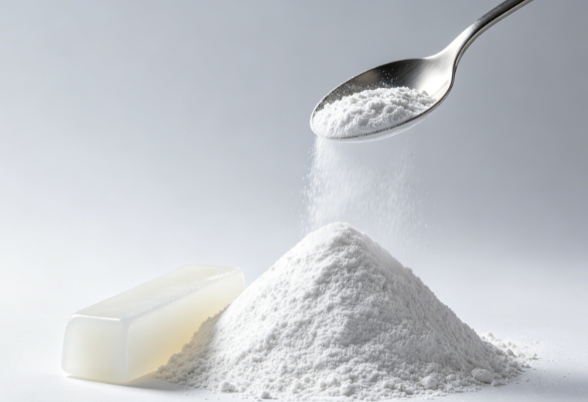
Common problems that actually cost you
Poor tear strength, high viscosity, inconsistent batch-to-batch results, and unpredictable ageing are the usual culprits. They come from mismatched surface chemistry, wrong particle size distribution, moisture in the filler, or simply using too much. These issues show up as rejects, longer mixing times, and extra trimming — and that’s money walking out the door.
Pick with a checklist — practical, no-nonsense steps
Decide the performance you need: tensile, compression set, hardness, and abrasion resistance. Then confirm these concrete specs: particle size and distribution, BET surface area, surface treatment (hydrophobic vs hydrophilic), and moisture/volatile content. Ask for rheometer curves and dispersion photos. Run a small trial: 1 kg mix, the same compounds you use, same mill. If the filler raises viscosity too fast, lower surface area or switch to a treated grade. Keep notes; repeatability beats fancy claims.
How to avoid the usual mistakes
Don’t overload the compound to hit cost targets. Pre-dry hygroscopic grades before mixing. Match surface treatment to your polymer chemistry — untreated silica can wreck cure for hydrophobic silicones but behaves differently in polar rubbers. Control mixing energy; more isn’t always better. If you change supplier, treat the first three batches as a controlled trial and compare cure curves and mechanical tests, not just appearance.
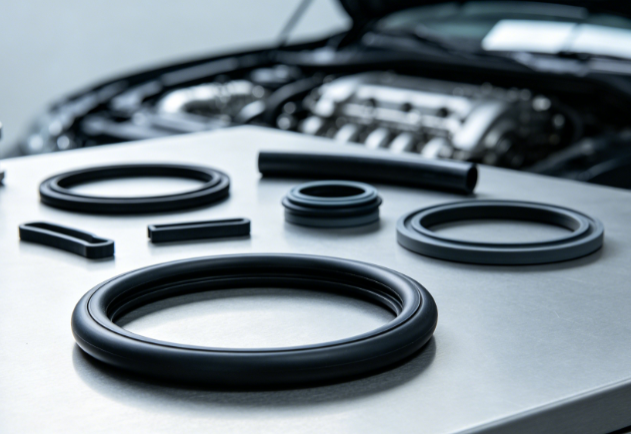
Alternatives and trade-offs you should weigh
Fumed silica gives very high reinforcement but spikes viscosity and cost. Precipitated silicas are cost-effective with adjustable grades, but demand tighter process control. Surface-treated silicas ease dispersion and lower scorch risk, yet they can reduce ultimate reinforcement. Pick the trade-off that matches your process capability: if your plant tolerates higher viscosity, a reinforcing fumed grade might work; if throughput matters more, a treated precipitated silica could be smarter.
Experience, authority and one strong real-world anchor
After years of working with compounding teams and lab trials, the pattern’s clear: manufacturers supplying seals for Germany’s automotive sector expect predictable cure, tight dimensional stability, and long service life — standards you’ll meet only when the filler chemistry suits the rubber. That practical requirement drives many spec changes documented in industry reports, and it’s why engineers ask specifically about silicone rubber filler when they redesign parts for higher temperatures. Run the same validations those factories do: rheology, tensile, compression set, and long-term ageing before scaling up.
Where this leads — the clear choice for dependable results
Make decisions from measured results, not brochures. Choose the silica grade that fits your compound’s chemistry and your process limits, validate with small-scale trials, and log every outcome. For many teams that settled the problem, sourcing a consistent, application-focused supplier ended the rework cycle — and that’s exactly what JSJ Silica provides in practice: consistent grades and test data so you can get the job done right, first time.