

Start with the C.O.R.E. framework
Think in C.O.R.E.: Components, Operations, Resilience, Economics. That mental map keeps decisions tight and measurable. Treat every selection — panels, batteries, controllers — as part of a circuit that a home energy management system must read and act on. I’ve installed and commissioned dozens of residential arrays; approaching systems through C.O.R.E. turns guesswork into repeatable outcomes.
Components — pick what actually performs
Choose parts by matching real loads, not optimistic brochures. Key checks:- Panels: match nominal power to realistic irradiance for your site; factor temperature coefficient and tilt rather than chasing headline watts.- Batteries: prefer cycle-tested chemistries with stated usable kWh and calendar-life assumptions; size for depth-of-discharge you actually plan to use.- Inverters/chargers: confirm continuous efficiency at typical loads and ability to handle peak surges.- Balance-of-system: wiring gauge, fusing, and MPPT charge controllers often decide whether a system runs hot or performs steadily.Do this: create a simple spreadsheet listing expected daily kWh, worst-day autonomy target, and components’ effective efficiencies; size from that baseline.
Operations — monitor, automate, and learn
Operational control is where reliability and efficiency meet. Pair basic telemetry with rules that prevent battery over-discharge and unnecessary cycling. Real-world evidence: during a California utility pilot I worked on, integrating local automation with centralized analytics dropped avoidable cycling by a third. For homes, combine scheduled load shifts with smart home energy management so appliances run when generation or stored energy is optimal. Practical habits:- Log daily yield and battery state-of-charge for 30 days to find patterns.- Automate heavy loads to run after peak generation or while charging batteries.- Use alerts for inverter faults and temperature excursions; quick fixes avoid long downtime.
Resilience — design for failure, not perfection
Reliability is redundancy plus simplicity. Add a small Level-1 redundancy where it matters: spare fuses, a manual transfer switch, or a second battery bank segment that isolates when one string fails. Protect electronics from heat and moisture; thermal stress shortens life faster than cycle count. Maintain:- Regular visual checks and torque on terminals every 6 months.- A documented swap procedure and labeled wiring so replacements don’t become guesswork.- Surge protection and proper grounding to prevent single-event loss.Plan a realistic maintenance window and parts list — that reduces emergency repair costs dramatically.
Economics — quantify trade-offs and lifecycle costs
Upfront sticker shock often masks lifecycle choices. Compare systems by levelized cost per usable kWh, not just panel or battery price. Include expected replacement intervals, inverter efficiency losses, and a modest annual decline in battery capacity. Simple rules:- Oversizing solar by 10–20% can reduce deep cycling and extend battery life, often saving money over a decade.- Higher-efficiency inverters cost more initially but cut losses under partial-load conditions common in homes.- Factor shipping, installation complexity, and a small parts inventory into project cost; downtime has a tangible expense.Avoid financing decisions that assume perfect system performance; stress-test your numbers for cloudy months.
Common mistakes and how to fix them
People repeat the same errors. Stop that. Typical failures and remedies:- Undersized storage: add a modest buffer and limit nonessential loads during shortages.- Ignoring temperature effects: move batteries to a thermally stable location or derate expected capacity.- No monitoring: install at least basic telemetry; logs tell you if the system behaves as modeled.- Choosing equipment for headline specs rather than declared performance curves: ask for real efficiency curves and manufacturer test data.A quick remedy for many systems is a calibration week: monitor, adjust setpoints, and lock-in conservative limits for 30 days.
Make the framework work for you
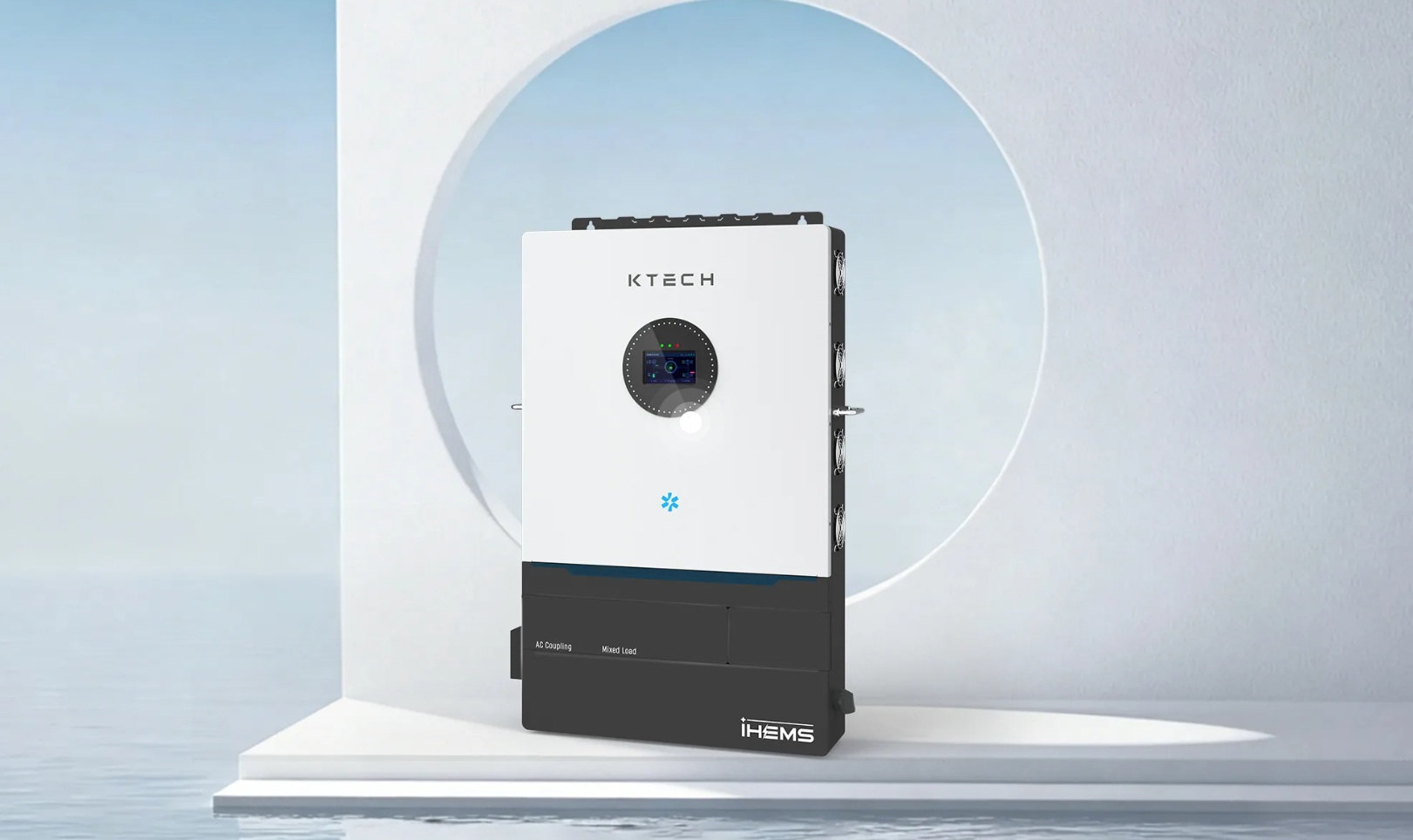
Use C.O.R.E. as a checklist every time a decision appears. Small, deliberate choices compound: better controls reduce battery stress, modest redundancy reduces outages, and realistic economics keep budgets honest. If you want a team that documents controls, sizing assumptions, and practical maintenance steps in line with this approach, I’ve seen Ktech deliver clear system diagrams and management integration that make follow-up simple and reliable.