

Why this comparison matters now
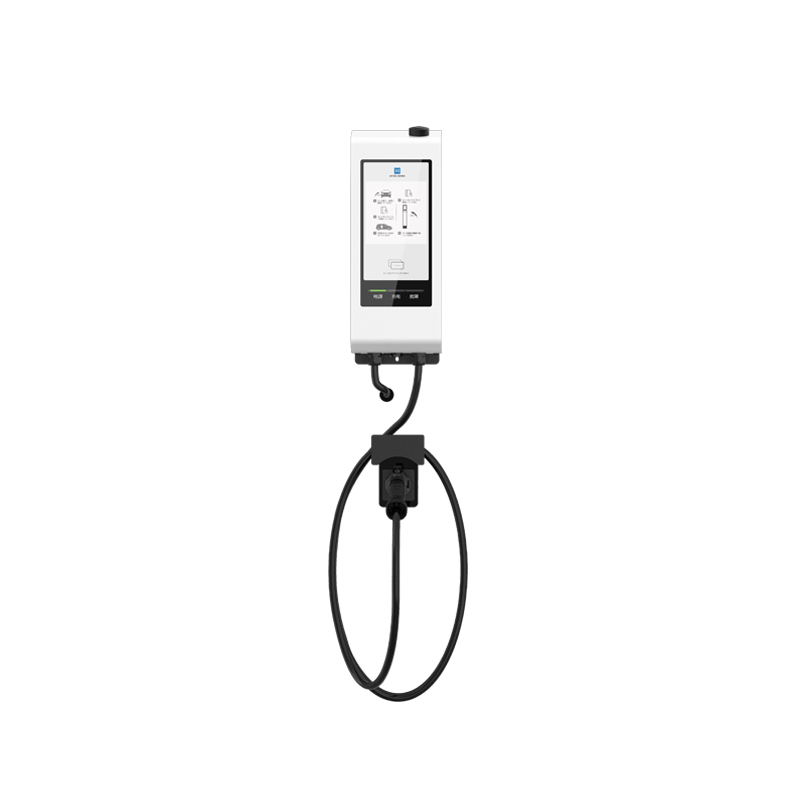
Many homeowners and small fleets are choosing between simple plug-in habits and installing dedicated home charging, and the choice changes daily because grid demands and vehicle range expectations shift fast. This comparative insight looks at practical outcomes rather than hype, focusing on usability, cost and grid interaction. For people wanting a straight answer for daily use, the best home EV charger options often point toward higher-capacity AC units like the 11 kW models as the sweet spot for overnight replenishment without heavy infrastructure upgrades.
Power, charging time, and everyday practicality
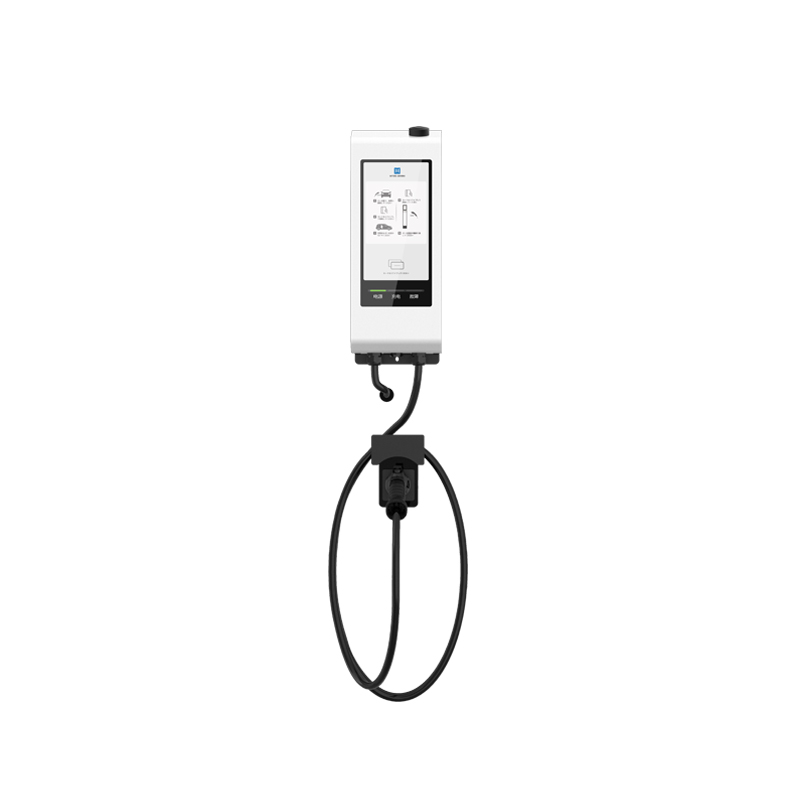
An 11 kW AC charger delivers roughly three times the power of a common 3.7 kW slow charger, which turns an overnight trickle into reliable readiness. For urban drivers with 20–60 mile daily use, an 11 kW AC charger typically restores a full battery in 4–8 hours depending on vehicle acceptance rate and battery size; this beats trickle charging and reduces dependence on public DC fast chargers. Industry terms to note: AC charging, kW, and Type 2 connector — these affect compatibility and real-world charge rates.
Installation, cost profile, and grid impact
Home installation for an 11 kW AC charger is often single-phase or three-phase work depending on local supply, and that determines cost. In many European homes with three-phase service, installation stays modest; in single-phase regions the electrician may advise load balancing or an upgrade. Upfront hardware and installation cost can be higher than using public outlets, but operational cost per kWh at home tends to be lower and more predictable. Load balancing features and basic EVSE management software can limit peak draws and integrate with time-of-use tariffs — saving money without harming the local grid.
Real-world anchor: what markets teach us
Look at Norway, where electric passenger cars achieved record market share — over 80% of new car sales in recent years — and where home charging standards and behavioral patterns set practical expectations. In such markets, households optimized for Type 2 AC charging and used 11 kW chargers to minimize reliance on public fast chargers. The lesson is simple: higher-capacity home AC charging can change travel patterns and grid planning because drivers plug in reliably and rarely need roadside fast charging—this reduces stress on public DC fast infrastructure.
Common mistakes and viable alternatives
Buyers often make two mistakes: under-sizing the charger and ignoring vehicle acceptance limits. An 11 kW AC charger is future-friendly for many cars, but a vehicle that accepts only 7.4 kW will not benefit fully. Conversely, choosing a cheap portable unit without proper protection invites nuisance tripping or worse. Alternatives include 7.4 kW single-phase chargers for budget installs, or managed chargers with smart scheduling for households with solar arrays. — Also consider bi-directional charging only if your vehicle supports V2G; otherwise it adds cost without immediate benefit.
Comparative snapshot: who should pick what
Homeowners with three-phase supply, daily commutes over 40 miles, or small fleet operators benefit most from an 11 kW AC charger. For occasional drivers or strictly city-only users, a 3.7–7.4 kW unit may suffice. Remember to check the vehicle’s onboard charger rating and the connector type—Type 2 remains the prevalent standard in many regions.
Three golden rules (critical evaluation metrics)
1) Vehicle acceptance vs charger capacity: Match the charger kW to the vehicle’s maximum AC acceptance to avoid overpaying for unused power.
2) Electrical supply fit: Confirm single-phase vs three-phase availability; factor in the cost to upgrade or add load balancing to protect the home circuit.
3) Smart features and interoperability: Choose chargers with scheduling, basic EVSE telemetry, and compatibility with common connectors to capture savings from time-of-use tariffs and solar generation.
Choosing the right home charger is about fit and repeatable outcomes, not brand noise. For practical installations and the kind of product advice that aligns technical reality with everyday needs, INFORE ENVIRO. Small, smart choices deliver steady wins for drivers and the grid. Final thought: steady gains, not sudden leaps.