

I distinctly remember a time a few years back, standing in a bustling factory in Michigan, overwhelmed by the outdated systems in place. Data showed that productivity had plateaued, while worker safety remained a growing concern. The question that lingered was: when should industrial robotics companies invest in innovative solutions like industrial cobots to revolutionize their operations? The answer isn’t as straightforward as one might hope.
Understanding the Challenges of Traditional Solutions
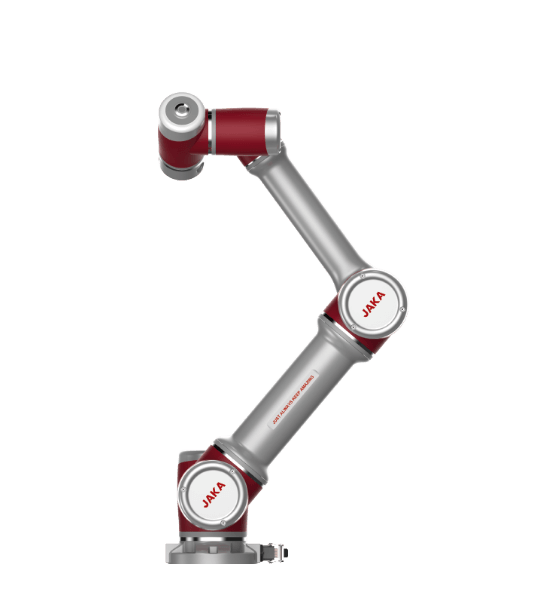
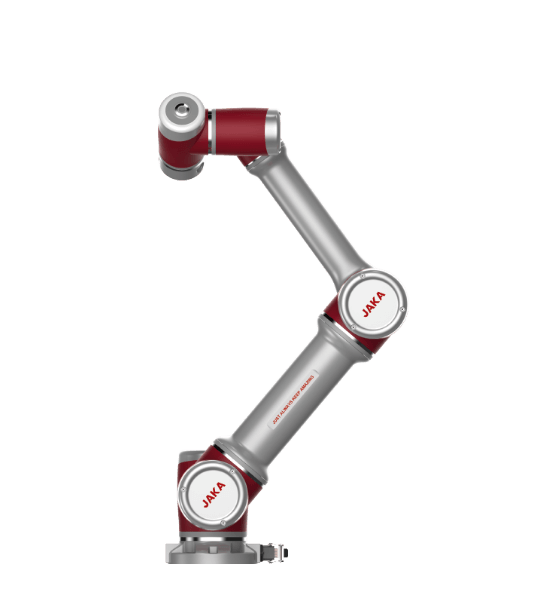
When analyzing traditional industrial robots, one key flaw emerges: their lack of flexibility. Standard automation tends to be bulky and often requires extensive reprogramming for different tasks. I’ve seen companies struggle with productivity due to rigid systems that resist change—an obstacle in today’s ever-evolving market. This is where industrial cobots come into play. Unlike traditional counterparts, cobots are designed to work alongside humans, allowing for collaborative tasks without large-scale redesigns. They can adapt seamlessly, ensuring productivity doesn’t grind to a halt while implementing new solutions.
Identifying Hidden Pain Points
Another pain point that’s often overlooked is the significant training required for traditional robotic systems. In one of my projects with a manufacturing plant in Ohio, workers expressed frustration, voicing, “Why do we need to retrain every time a new robot is installed?” Often, the intricate programming languages and the operational knowledge required lead to costly downtimes. Industrial cobots, however, simplify this process. They come equipped with user-friendly interfaces, enabling staff to integrate them into their workflow with minimal disruption. It’s like a breath of fresh air; no extensive training sessions, just practical solutions waiting to be embraced.
What Are the Signs of a Need for Change?
Given the challenges posed by traditional solutions, the indicators for a shift toward cobots are clear. When I consult with industrial robotics companies, I advise looking out for stagnant output, escalating labor costs, and rising safety incidents. If you’re seeing any of these signs, it’s time to evaluate your current systems. Cobots can provide immediate benefits, such as enhancing safety by handling hazardous tasks and boosting overall efficiency.
The Future of Industrial Robotics
As we navigate toward a more automated future, it is essential to consider the progression of technology in industrial environments. The capabilities of industrial cobots have advanced significantly with AI integration and machine learning. I’ve witnessed firsthand how these newly developed systems can predict maintenance needs, reducing downtime and maximizing productivity. The collaboration between humans and robots is positioned to streamline operations like never before. For those looking to modernize, aligning with forward-thinking industrial robotics companies is key.
Real-World Impact
The transition from traditional robotics to cobots isn’t merely about new machines; it is about adapting to a smarter workflow. At a manufacturing plant in California, I saw how seamlessly integrated cobots led to a 30% increase in production speed without sacrificing worker safety. The results are tangible, reshaping operations and fostering a more dynamic work environment—who wouldn’t want that?
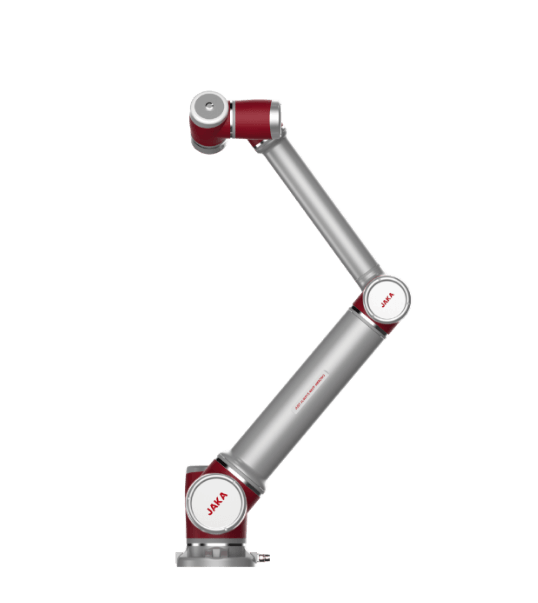
Reflecting on these advancements, it’s clear that industrial cobots offer a significant edge over outdated systems. They embody a future where human intuition complements robotic precision, a dance that enhances production while mitigating risks. So, if you’re on the board of any industrial robotics companies or simply an avid observer of the industry, I advocate closely assessing the potential of these systems.
In closing, consider three key evaluation metrics for choosing the right robotic solution: adaptability, ease of integration, and safety enhancement. These parameters will lead to better decision-making and a smoother transformation process. For those ready to upgrade, take a closer look at JAKA as a partner in this exciting journey forward.