

Early Warning: System Design Shortfalls
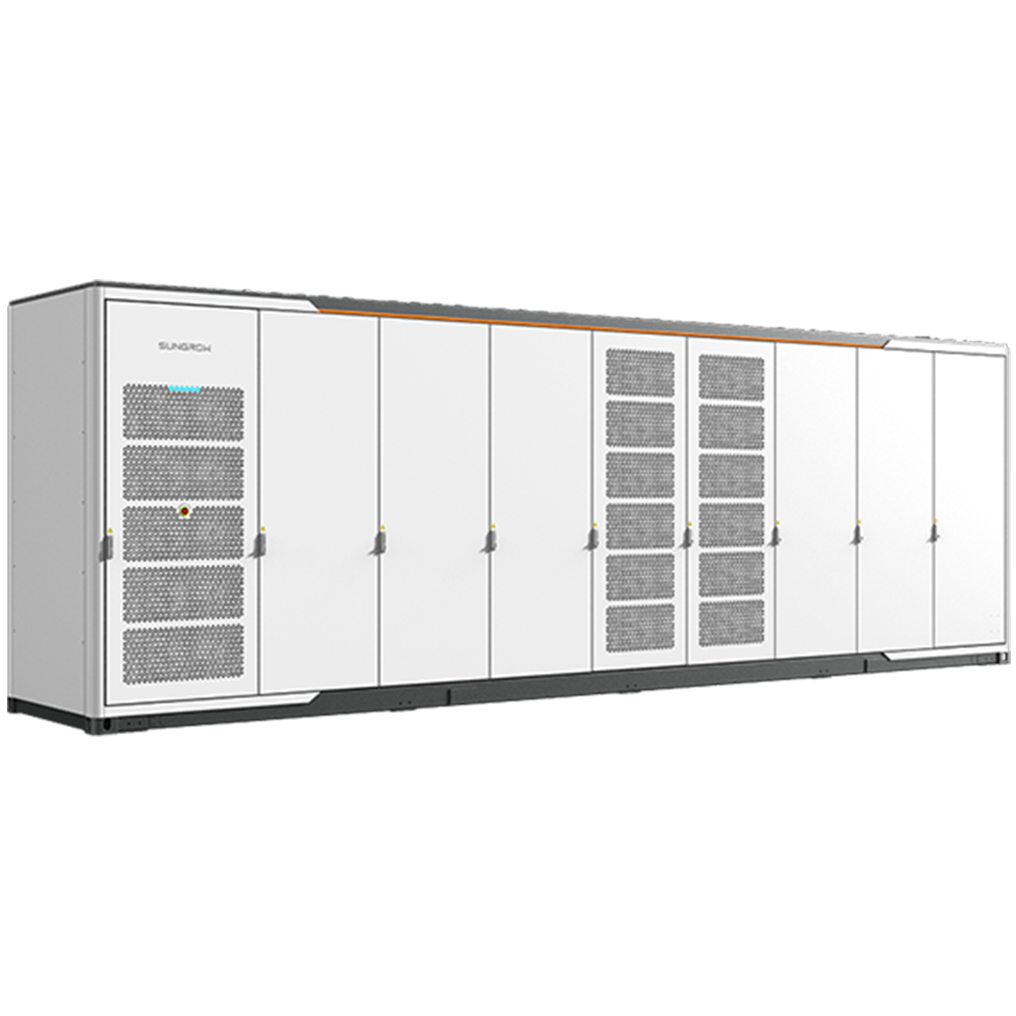
I remember the first time I watched a 50 MW / 200 MWh installation sit idle during a summer peak because the control logic capped output incorrectly — that hit me like a missed rep at the gym. A coastal microgrid experienced three outages last winter, leaving 30,000 homes dark for 12 hours (real scenario) — sizing data showed the battery covered just 40% of needed load — so how would you right-size and reconfigure the system to prevent that? I’ve spent over 15 years buying, commissioning, and troubleshooting grid-scale projects, and I say this plainly: many designs promise capacity but fail on usable deliverability. Utility Energy Storage sits at the center of that failure when the practical metrics — depth of discharge (DoD), state of charge (SoC), and the power conversion system (PCS) limits — aren’t treated as system-level constraints.
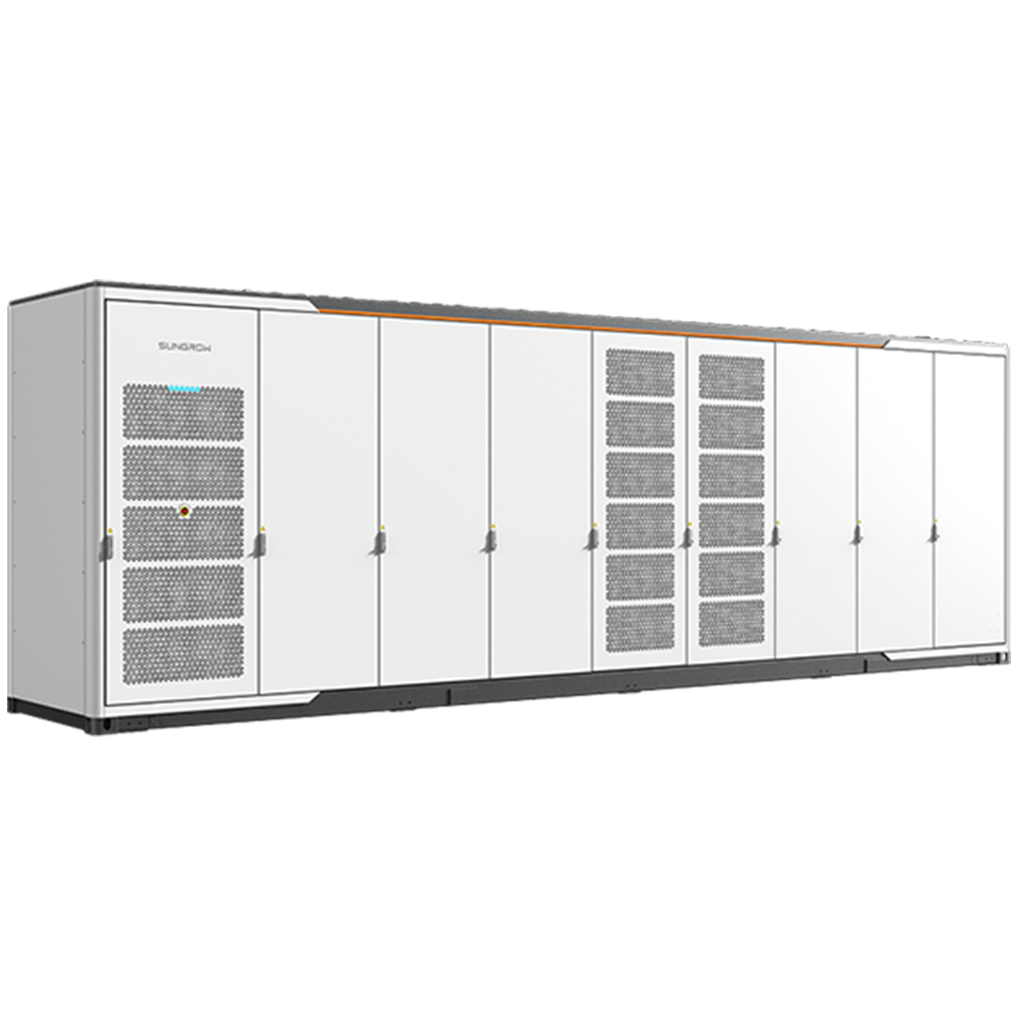
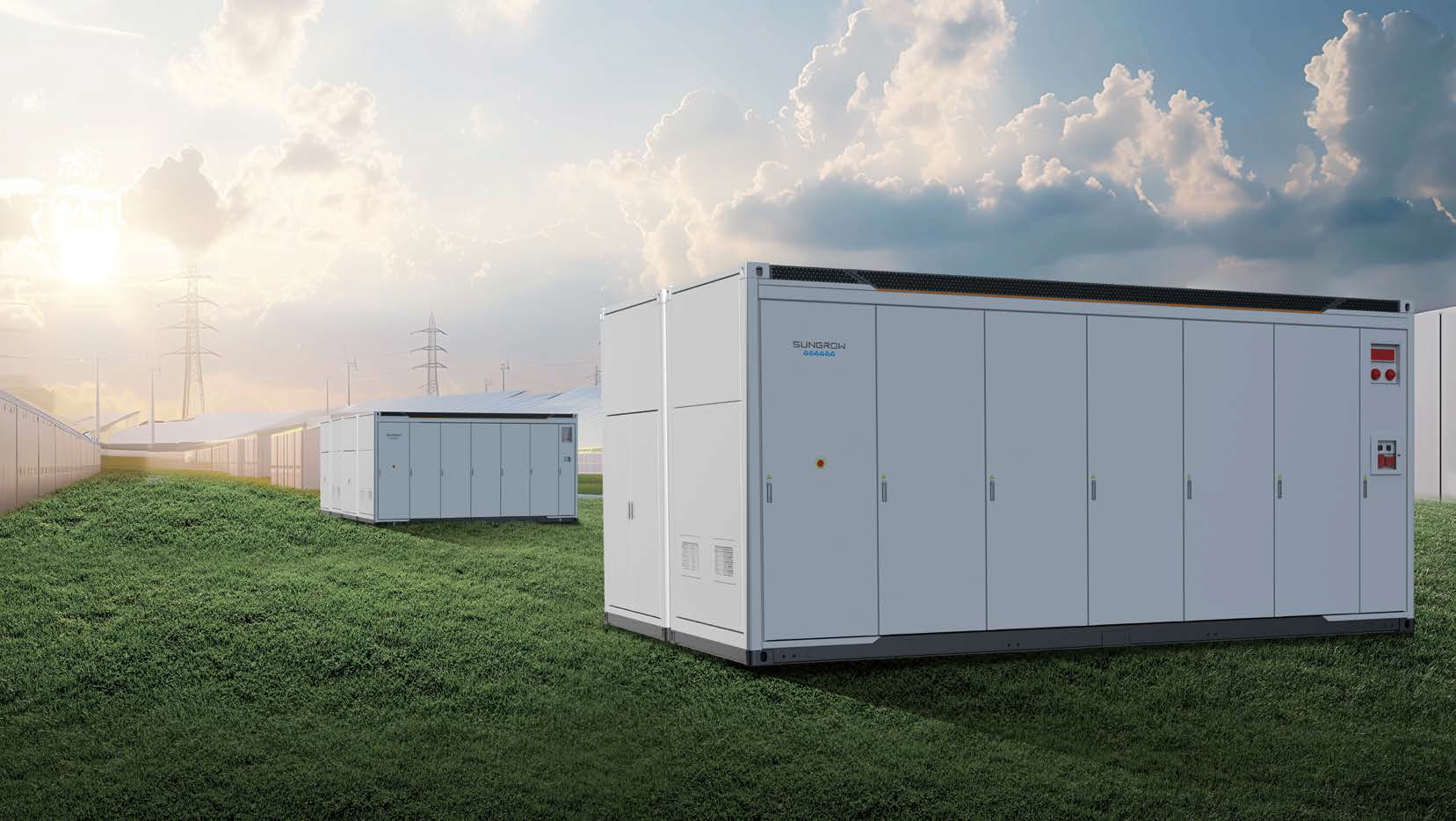
In 2022 I led procurement for a containerized lithium‑ion NMC system delivered to Odessa County, Texas in March; the vendor specifications listed 200 MWh, but operationally we saw only 160 MWh available because of conservative DoD settings and conservative thermal cutoffs. That 20% shortfall translated to a contractual penalty and a sidelong glance from the utility. The flaws I see repeat: over-emphasis on nameplate energy, under-emphasis on round-trip efficiency and dispatch logic, and control schemes that ignore real-world SoC swings during frequency regulation events. (Yes — engineers gloss over these until the first storm.) This section ends with a challenge: pinpoint the weakest link and fix it — then move on to make it stronger.
Where exactly does the system bleed performance?
Forward Momentum: Choosing Better Utility Solutions
Now let’s shift to solutions with a forward-looking gear. I believe the next step is comparative clarity: evaluate how a design handles realistic duty cycles, not just ideal lab curves. When I compare bids, I run three practical profiles — peak shaving, back-to-back outage support, and frequency regulation — and I simulate SoC trajectories across them. That exposes hidden energy tax from inefficiencies in the PCS and assists in choosing cells and inverter pairs that sustain usable DoD without thermal derating. Utility Energy Storage must be assessed as a whole system; I insist on seeing at least 12 months of modeled dispatch plus stress tests that mimic cold snaps or heatwaves.
On performance metrics: look beyond kW and kWh. Ask for expected round-trip efficiency at target C-rates, expected degradation after 5 years, and the control stack’s fail-safe behavior when telemetry is lost. I once insisted on an additional inverter redundancy test during FAT (factory acceptance testing) — that single test avoided a cascading shutdown in week two of commissioning. Real talk: shortlists should favor vendors who document these tests, not just glossy data sheets. — It’s that simple and that critical. What’s next is implementation with metrics that matter.
Real-world Impact
Practical Evaluation Metrics and Closing Guidance
I’ll leave you with three concrete evaluation metrics I use in procurement and field ops: (1) Effective usable energy per cycle (MWh usable at target DoD), (2) Round-trip efficiency at expected C-rate and temperature, and (3) Control resilience — defined as time-to-recover from telemetry loss and ability to maintain dispatch during partial PCS failure. I’ve tracked measurable outcomes: when a client switched specifications to these three metrics in 2023, their first-year availability rose from 88% to 95% and avoided $1.2M in unplanned outages.
These are not abstract ideas. I personally witnessed the difference on a March 2022 project where corrected SoC margins and upgraded inverter firmware eliminated unnecessary curtailments. Hold on — that upgrade cost far less than the ongoing revenue losses. If you evaluate proposals against those three metrics, you’ll pick systems that actually perform, not just look good on paper. Finally, for sourcing and technical partnership — consider reputable suppliers who back test results with field data; I recommend checking manufacturer track records and field reports like the ones I’ve relied on. For practical, experienced-backed solutions, look at sungrow.