

Operational problem
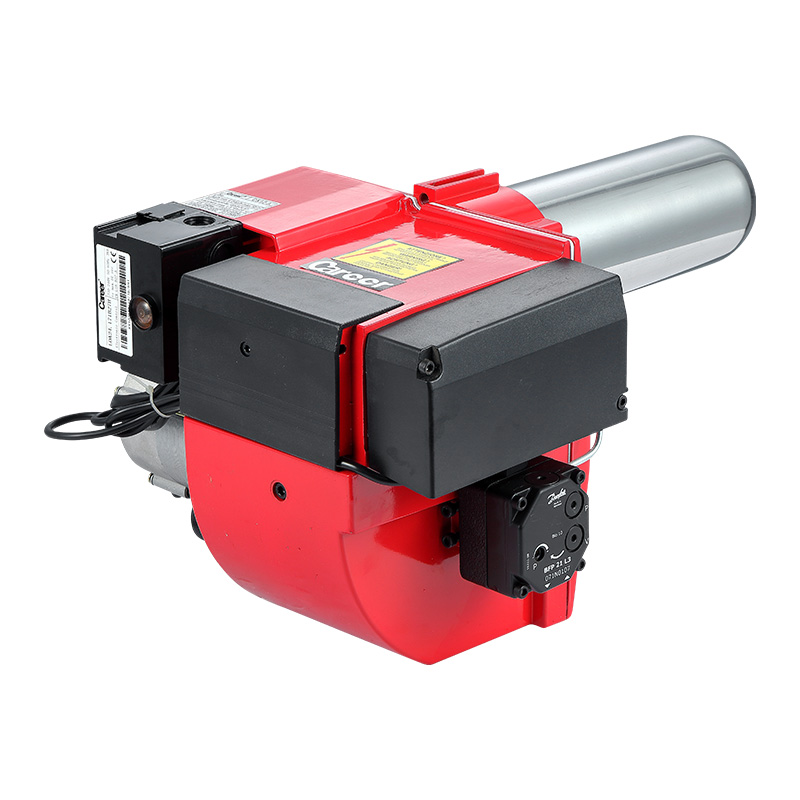
Plants lose time and money to unpredictable heating performance: missed temperature targets, maintenance-driven shutdowns, and fuel supply gaps. The immediate fix—buy the biggest burner—creates waste and hides systemic vulnerabilities. A better starting point is choosing the right industrial oil burner for the actual load profile and designing the deployment so capacity and reliability scale without adding complexity.
Why this keeps happening
Design decisions focus on peak scenarios rather than typical cycles. Control systems are bolted on late, so telemetry is inconsistent. Procurement often treats burners as commodity items, which increases single-vendor risk and long lead times. These tendencies produce brittle operations: when one unit trips, the whole process feels it.
System architecture that solves the problem
Think in layers: modular combustion units, standard control interfaces, fuel-management services, and a telemetry plane for diagnostics. Use N+1 redundancy where uptime matters and right-size units to match modal loads instead of one oversized asset. Standardized control APIs make predictive maintenance and remote rollback straightforward. Aim for systems that scale capacity by adding identical modules, not by reengineering piping or control logic.
Real-world anchor for supplier strategy
Across Gulf Coast industrial hubs, buyers learned that lead-times and spares planning drive uptime as much as part specifications. When sourcing, confirm availability of local support and spare-kits from recognized oil burner suppliers, and map their delivery timelines to maintenance windows. That procurement discipline reduces emergency retrofit work and keeps projects on predictable schedules.
Alternatives and trade-offs
Electric heating is cleaner at the point of use but shifts dependence to grid capacity and can cost more at scale. Dual-fuel burners add flexibility but increase control complexity. Waste-heat recovery lowers fuel needs but requires consistent upstream conditions. Choose an option by comparing energy economics, control complexity, and spare-parts footprint, then model outcomes over a three- to five-year horizon.
Common pitfalls to avoid
Don’t skip control integration: inconsistent signals hide degradation. Don’t understock critical wear parts. Don’t assume vendor support is global; verify local response times. Don’t design for rare peaks without staged capacity; oversized systems waste fuel and mask tuning opportunities. Test nominal and failure modes during commissioning; unresolved issues compound under load.
Practical implementation checklist
1. Capture duty-cycle data over representative periods. 2. Define failure-mode impact and acceptable recovery times. 3. Select modular units sized for modal loads. 4. Specify control interfaces and telemetry metrics up front. 5. Lock down spare-kits and local support windows. 6. Commission with stepwise load tests and automated fault drills. 7. Train operators on escalation thresholds and remote diagnostics.
Closing synthesis
Solve the predictable problems first: match capacity to real use, enforce control and telemetry standards, and lock in supplier support that aligns with maintenance rhythms. That disciplined pattern reduces downtime and makes scaling deliberate rather than reactive, a practical approach reflected in procurement and technical guidance from Career Burners.