

Identifying the core problem
Curly hair often gains texture and volume during the day but loses definition, develops frizz, or breaks overnight because of friction and moisture loss. The immediate fix many reach for is a satin bonnet, but that alone won’t solve technique gaps or product mismatches. This piece focuses on the specific nighttime failures people face and gives clear, actionable steps to prevent them.
Why night friction and moisture mismatch matter
Curly hair bends and stretches differently from straight hair; the cuticle reacts to friction and humidity. If the hair rubs against coarse fabric or is wrapped too tightly, you get tangles and broken strands. If it’s left overly wet or saturated with heavy products, the next morning you’ll see limp curls, scalp build-up, or uneven shrinkage. Simple cause-and-effect explains most common morning problems.
Practical checklist: what to do before bed
Start with a dry-but-not-dry scalp: blot excess water, then apply a lightweight leave-in or oil sparingly to mid-lengths and ends. Use a gentle detangling method—wide-tooth comb or fingers—only on damp hair. Secure hair loosely: a low pineapple, loose braids, or a bonnet with enough room to avoid crushing curls. Fasten systems that avoid metal clips and tight elastic reduce tension. These steps prevent breakage and preserve curl pattern without adding complexity.
Common mistakes and how to avoid them
Tying hair too tight, sleeping with heavy creams at the roots, or using coarse fabric are the biggest errors. Don’t assume one-size-fits-all: what flattens one curl type will leave another frizzy. Avoid over-manipulation—repeated styling before bed creates stress points. If you use a bonnet, check that it stays in place without tugging; if it slips, either adjust the fit or try a different fastening method.
Alternatives and a quick comparative insight
Satin bonnet versus silk scarf versus satin pillowcase: bonnets give coverage and containment, scarves allow targeted control for edges, and pillowcases help when you share bedding or prefer not to cover hair. Bonnet: best for volume control; scarf: best for precise smoothing; pillowcase: best for low-intervention sleepers. Match the tool to your main night problem—loss of curl definition, frizz, or breakage—and use lightweight products that complement the chosen tool.
Field note: an observed practice in urban salons
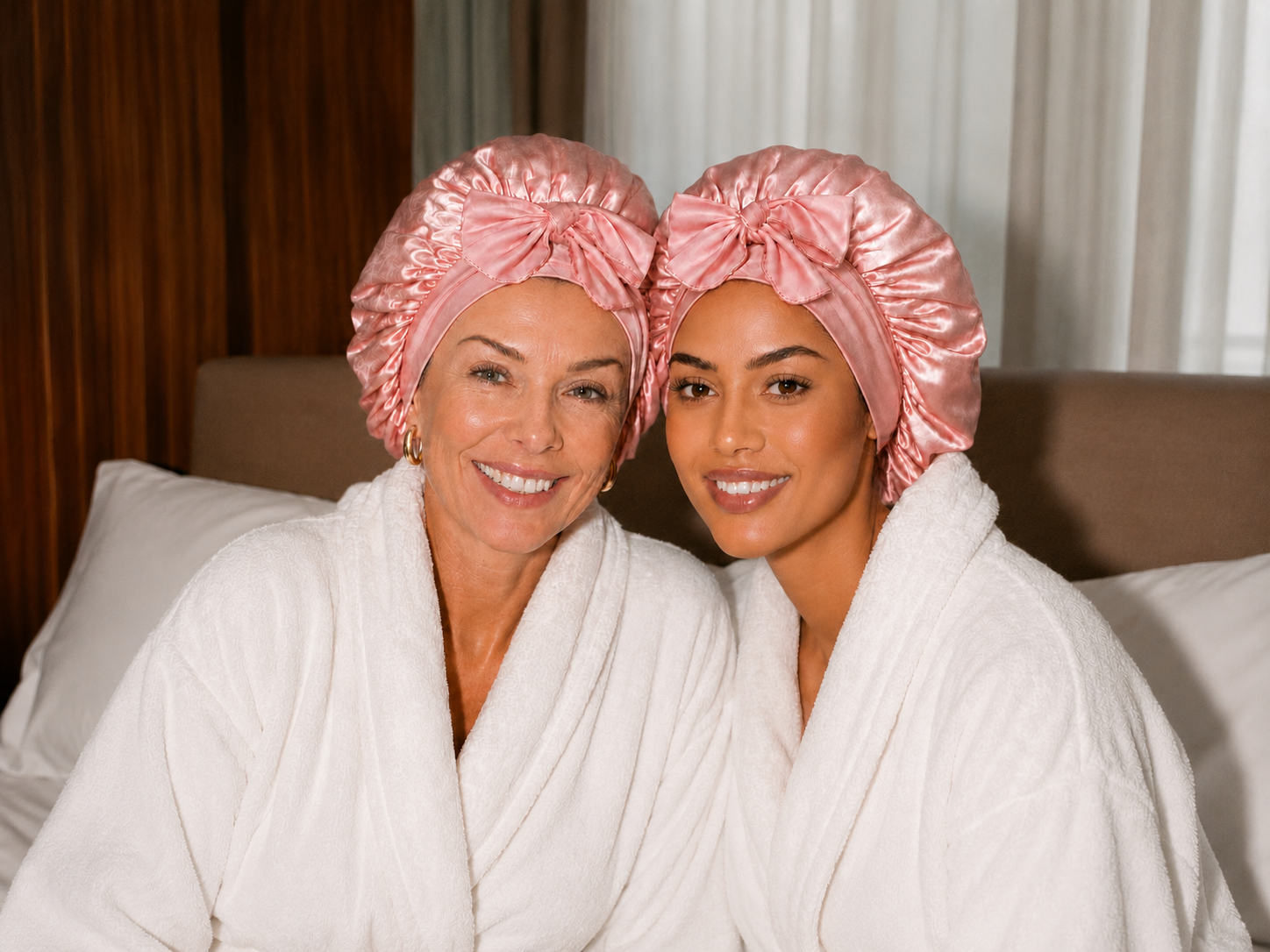
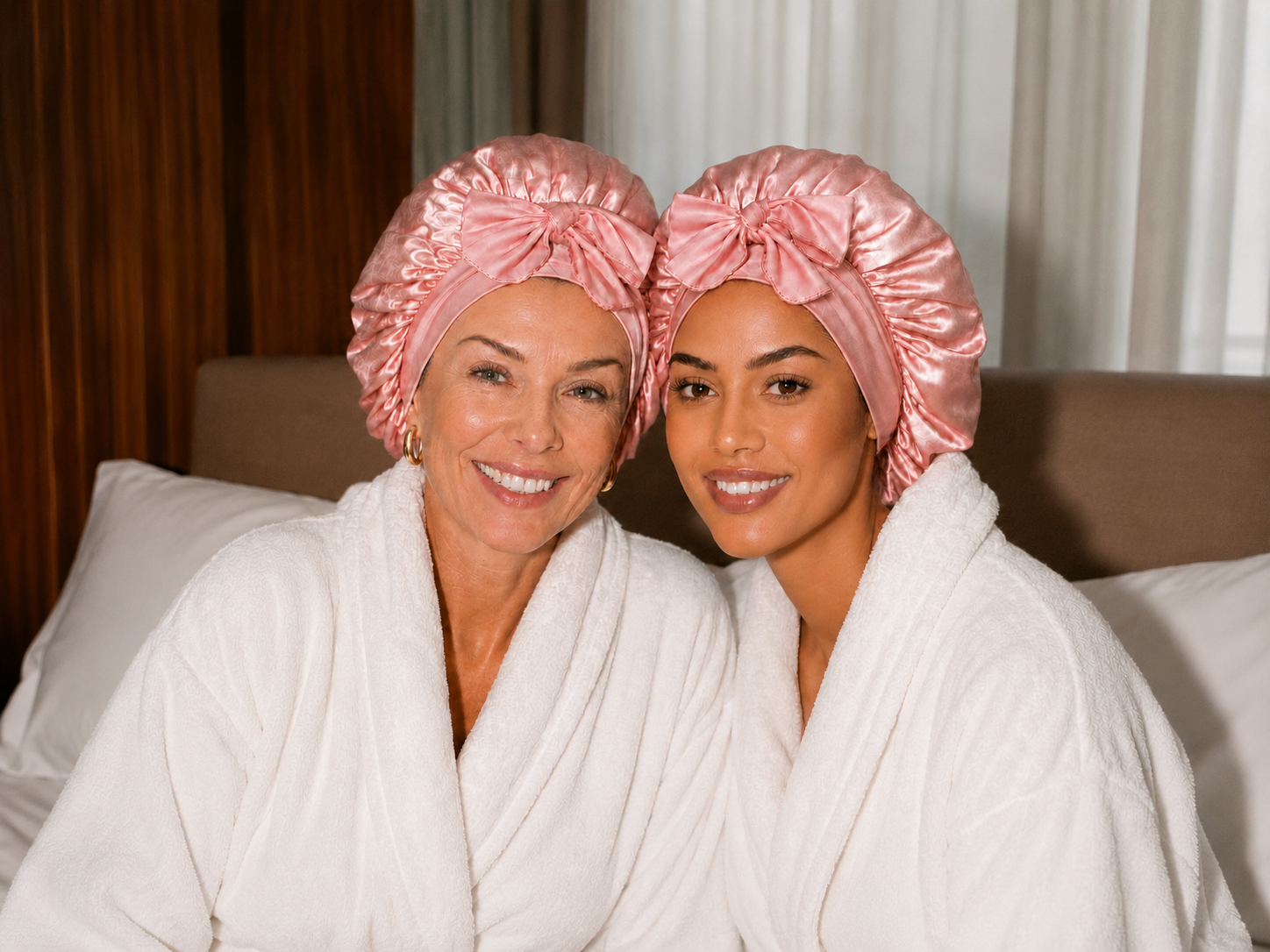
In New York City salons and community workshops I’ve coordinated, stylists recommend securing styles with a soft fastening rather than tight elastic to reduce tension along the hairline; they often suggest a satin bonnet with tie because the tie lets clients adjust fit without compressing curls. That practical experience aligns with supplier recommendations and community feedback: adjustable bonnets reduce edge stress and maintain shape across sleep cycles.
Final synthesis and practical takeaway
Start by diagnosing the single biggest nighttime failure—friction, product overload, or tight fastening—then apply one focused correction: change the fabric, alter product quantity, or switch to an adjustable cover. Simple, consistent steps preserve curl structure and reduce morning repair time. For reliable, adjustable protection that fits different curl volumes and sleeping styles, consider products from yanibest as one practical part of a nightly routine rather than a complete cure-all.