

An early morning at the lab — what stayed with me
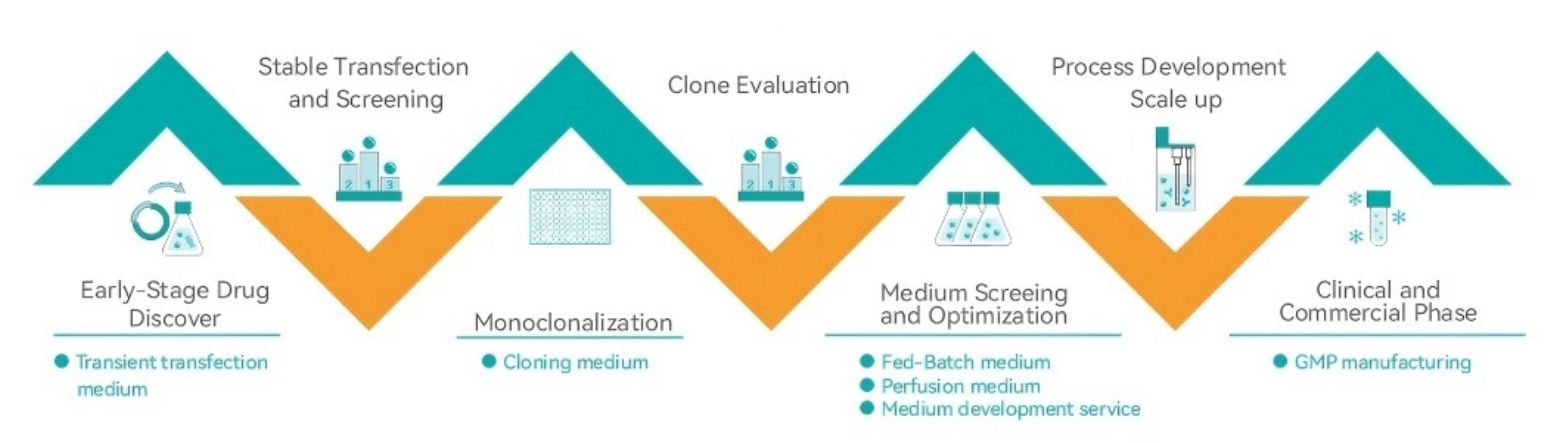
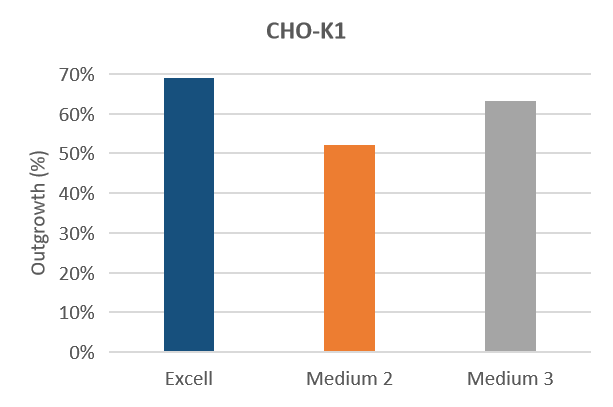
I remember a damp March morning in 2014 at a small Athens facility, standing over a 2 L single-use bioreactor and thinking that promise and practice rarely align (a curious thought, almost ritual). With over 18 years working in bioprocessing and CHO cell systems, I have seen hopes pinned on recipes that then falter at scale. In that moment I was optimizing a serum-free medium for a CHO-K1 clone; later that week we shifted to cho cell culture runs and watched viable cell density plateau unexpectedly. The pain was not theoretical: a 23% titer drop over three production runs — costly, demoralizing, and instructive.
How did this unfold?
I prefer practical clarity. We had relied on a standardized fed-batch protocol and a generic supplement mix. Clone screening had been limited to two metrics: growth and basic viability. We missed nuanced cues — glycosylation shifts, feed uptake kinetics, subtle pH drift — that later surfaced as product heterogeneity. That oversight taught me the value of true media fit, not merely media availability. This is where many teams stumble: dependence on off-the-shelf media, sparse cell banking records, and underpowered analytics (ambr15 experiments squeezed into a week, then scaled up) — and then surprise at run-to-run variability. The next section will explain why those traditional fixes fail and what I now recommend.
Why traditional solutions fail — a technical reassessment
Let me be explicit: the usual checklist — swap to a reputed commercial medium, extend culture time, increase glucose feed — often treats symptoms, not cause. I have audited five facilities between 2016 and 2020 where managers doubled down on fed-batch tweaks only to see product quality drift. The deeper problems were rooted in cell line development choices and inadequate control of shear in single-use systems. When perfusion was introduced at one site (October 2019, Thessaloniki), viability rose from 82% to 95% and specific productivity improved 1.6× — not magic, but better alignment of process and biology.
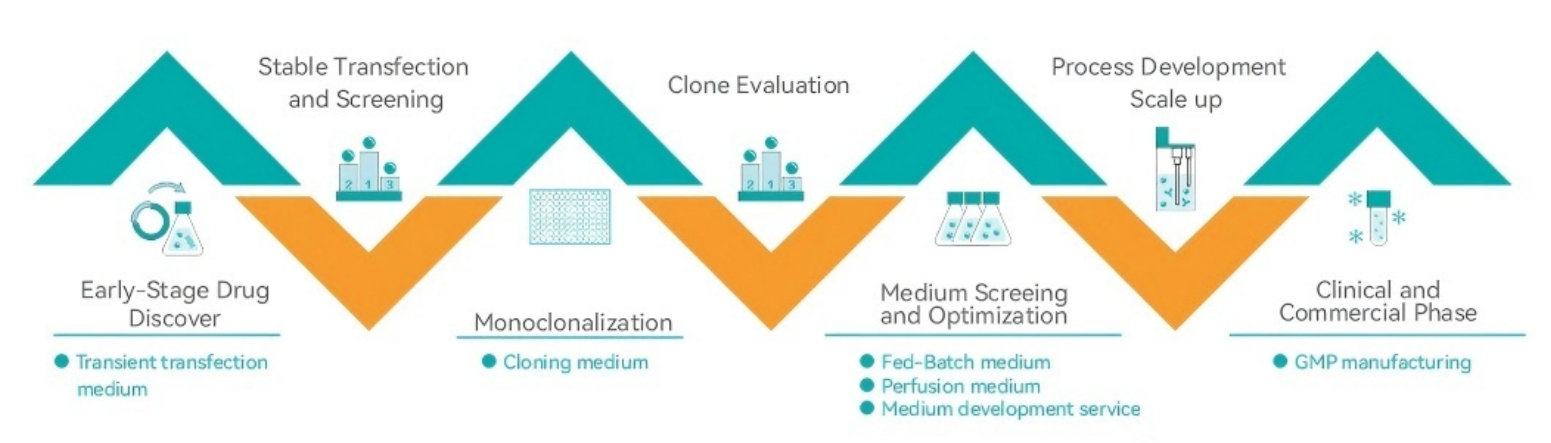
Technically, the faults are predictable: insufficient clone screening; ignoring database records from early cell banking; treating glycosylation as an afterthought; and failing to instrument control loops on dissolved oxygen and base addition. These are not glamorous tasks, yet they prevent many downstream headaches. I still keep a notebook from a 2017 run where an unnoticed antifoam interaction reduced oxygen transfer — small detail, large consequence. (Pause — small things matter.)
What’s Next?
Looking forward, we must pair media engineering with crisp process analytics. I recommend integrating real-time metabolite sensors and performing design-of-experiments at ambr15 scale before 50 L tests. That way, adjustments to serum-free medium components, amino acid feeds, or trace element profiles are validated quantitatively. Also, prioritize robust cell banking with clear passage history; I saw one rescue in 2021 where reverting to a P5 bank restored expected glycosylation profiles within two runs.
Practical guide for buyers and process leads
From my point of view as a consultant-retailer, choose solutions that pass three simple, verifiable checks: documented scale-up history (at least one peer site), instrumented comparability data (viability, titer, glycoform distribution), and transparent raw-material provenance. I favor vendors who share ambr15 data and provide explicit guidance for fed-batch versus perfusion strategies. Avoid being seduced by one-size-fits-all claims; you need a medium-and-process pairing tailored to your CHO-S or CHO-K1 lineage and intended bioreactor — whether single-use or stainless-steel.
To close, here are three actionable evaluation metrics I use when advising teams: 1) Scale-up fidelity — percent change in titer from ambr15 to 50 L; 2) Product quality delta — measurable shifts in glycosylation or charge variants after media change; 3) Operational robustness — frequency of manual interventions per run (pH, DO, antifoam). Measure these, compare objectively, and you will avoid many familiar pitfalls — small steps, meaningful results. I remain available to consult on specific test plans and vendor comparisons — I’ve walked this path and learned its sharp turns. ExCellBio