

Introduction: Defining Risk, Control, and ROI
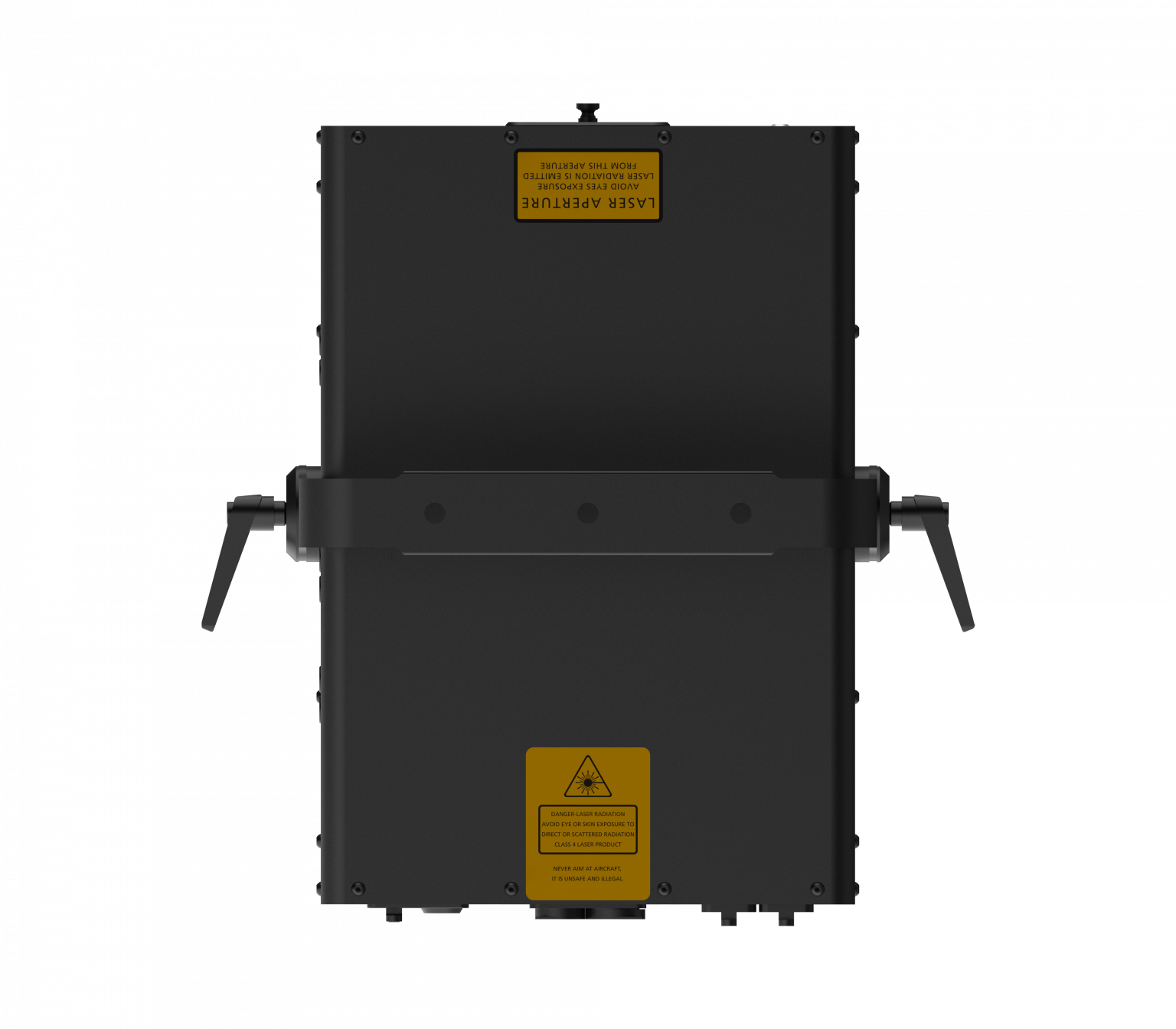
Technical reality first: a show lives or dies on repeatable control. Stage Laser Lights sit at the center of that duty. With laser stage lighting on the truss, every cue must meet strict safety and timing terms, or the risk ledger grows fast. In a 10,000-seat arena, even a 2% cue variance across a night can trigger compliance questions, extra labor, and reputational loss—small numbers, big exposure. So, what actually governs risk, control, and return when the beam hits the haze?
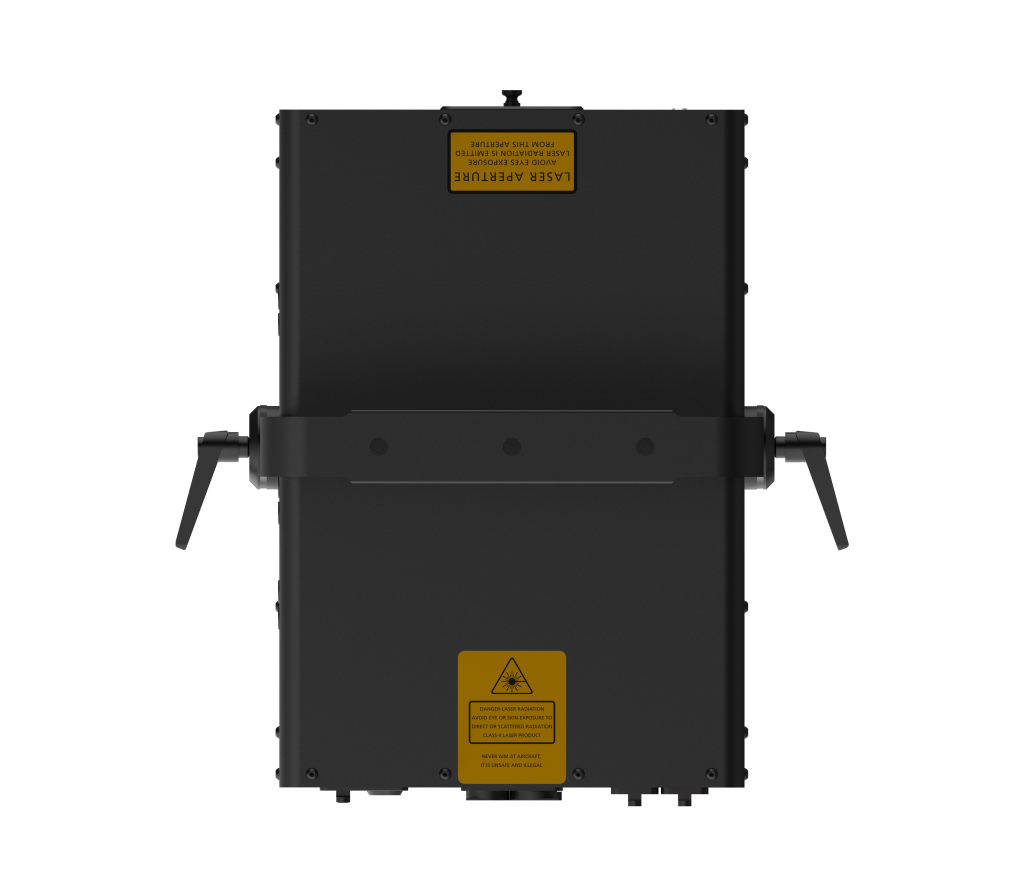
Let’s define the stack. DMX512 and ILDA protocols map cues; safety interlocks mediate risk; beam divergence and scan angle define geometry; and power converters stabilize the supply chain in the rig. That is your legal and technical baseline (think: allocation of liability, chain-of-custody for presets, and documented safety zones). Yet, the field data shows drift under heat, vibration, and fast load changes. The question is simple: how do we lock down precision at scale without slowing the show? Let’s unpack the deeper layer and see where legacy practice creates blind spots—and cost. Next, the real pain points.
Deep Dive: The Quiet Failures in Legacy Control Chains
Where Do Legacy Rigs Fall Short?
Traditional rigs lean on static profiles and manual checks. Look, it’s simpler than you think: when galvanometers heat up, scan rate slips, and the duty cycle shifts. That tiny drift breaks alignment with the safety mask. Operators then overcorrect, widening the beam or lowering power to stay safe. You pay twice—first in lumen loss, then in missed looks. Add vibration from touring carts and lifts, and you get micro-misalignment that DMX-only control cannot see in real time. — funny how that works, right?
There is more. Older power converters sag under rapid transients, so color mixing and blanking can lag. IP ratings are often overstated for harsh outdoor runs; moisture intrudes, and the scan angle narrows to prevent fault. Meanwhile, compliance teams need logs, but legacy systems provide limited event data, no granular error codes, and sparse playback history. The result is a compliance gray zone: safety interlocks trip late, auditors get partial records, and the crew spends nights chasing phantom cues instead of refining looks. The hidden cost is time. The visible cost is conservative design that dulls impact.
Comparative Outlook: New Control Principles, Measured Wins
What’s Next
The forward path is comparative by design: sensor-rich control over static assumptions. New engines embed encoder feedback at the head, apply beam attenuation maps live, and route corrections through lightweight edge computing nodes on the fixture. That means the system watches galvanometer position, heat, and current draw, then corrects before the audience ever sees drift. With programmable stage lights, profiles live close to the laser source, not only in the console. Firmware enforces safety zones alongside artistry, using hashed safety maps and real-time clamp logic. Power stages get smarter too; better regulation and faster PWM dimming reduce color shifts during rapid chases.
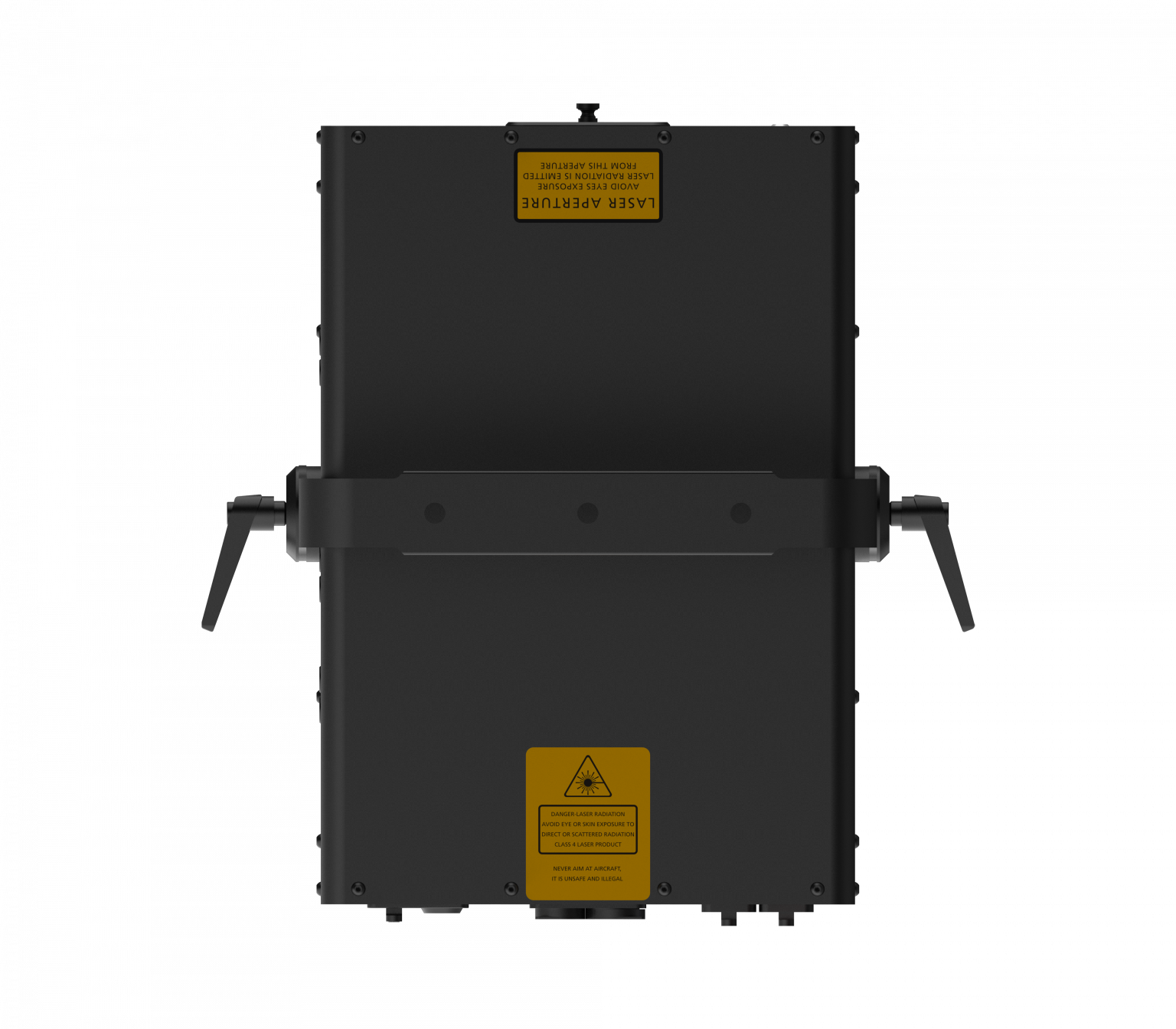
What does that change on the deck? Less manual trim, more predictable cues, and cleaner compliance logs—plus higher usable brightness because you do not need to “play it safe” with a wide beam all night. To choose well, consider three metrics that travel from spec sheet to show day: first, verify closed-loop accuracy under heat (look for encoded galvanometer feedback and error bounds, not marketing copy); second, check data integrity and logging formats for audits (time-stamped events, per-cue deltas, exportable reports); third, measure resilience in motion—shock, moisture, and transient tests on converters and drivers, not just an IP number. If those three line up, the beam looks bold and stays within the rules—funny how the best art comes from tight guardrails, right? And if you need a neutral benchmark or deeper documentation, you can review technical references from makers like Showven Laser for a clear standard without the hype.