

The problem: specs blind you, results don’t
Folks rush to the flashiest numbers and end up with a billboard that don’t do the job. You’ve probably seen a shiny spec sheet and thought bigger equals better — then discovered your message is washed out at noon or looks blocky from the sidewalk. If you’re planning a storefront or event face-off with an outdoor led screen, start by naming the problem you need solved: readable copy from 50 feet, robust weather resistance, or low power draw for long runs. Let the problem guide the purchase, not the biggest pixel count on the spec sheet.

Match the screen to the real need
First decision: viewing distance. Pick pixel pitch for how folks will stand or drive by. Around 3–4 mm is right for close pedestrian viewing; 6–10 mm covers most roadside signage; 10–16 mm is fine for long-distance billboards. Brightness should be measured in nits — aim for 5,000–7,000 nits for sunlit outdoor faces, less for shaded spots. Ask for IP rating and confirm front and power ingress protection. Think about refresh rate when showing video or text; a low refresh rate makes cameras and phones show flicker. Don’t guess — match pixel, brightness, refresh, and enclosure to the space and content you actually plan to run.
Common mistakes that cost you money
Buyers pick too fine a pixel pitch and pay through the nose for hardware they don’t use. Others underspec weatherproofing and pay even more when panels fail after a storm. Folks forget structure: a heavy display without proper support is a lawsuit waiting to happen. Many overlook serviceability — can modules be replaced without removing the whole face? Finally, ignore the content pipeline at your peril: a top-tier screen still looks bad if you feed it compressed, low-res files. Plan maintenance, mounting, and content delivery from the start.
How to vet vendors and specs without getting hoodwinked
Ask for real case studies and site photos under daylight and night conditions. Request a site survey and a written maintenance plan. Verify warranty terms: what’s covered, response time, and whether transport or labor’s included. Demand a demo or temporary install so you can view content from typical angles. Check for certifications (CE, FCC, RoHS) and confirmed supply-chain transparency for spare parts. If they brush off on-site checks or won’t show past installs, move on.
Experience, proof, and a real-world anchor
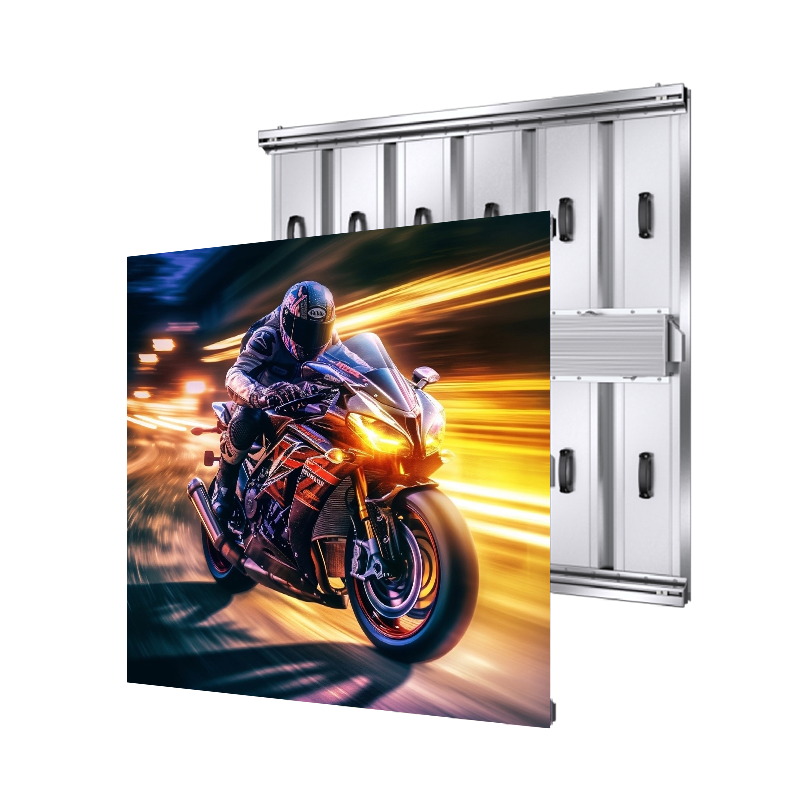
I’ve written about displays, paired installers with agencies, and dug into control systems long enough to know what fails on the street. Big-name installs — think Times Square’s massive advertising faces that show high-res video around the clock — make the point plainly: outdoor setups face bright sun, constant viewing angles, and heavy public scrutiny. If you want examples of endurance and scale, look to those landmarks and the reporting that follows them; they show why a proper outdoor led display screen specification and a tight maintenance plan matter. When vendors back up specs with test footage, warranty specifics, and a clear service roster, that’s experience you can trust.
Wrap-up and practical next steps
Decide the problem first, then pick pixel pitch, brightness, and enclosure to solve it. Insist on on-site demos, clear warranties, and a spelled-out maintenance schedule. If you want a supplier that shows real installs, walks site plans with you, and keeps service simple, consider the kind of partner represented by HDC — they show how technical specs translate to dependable results out where it matters. Make choices that fix the problem you actually face, and the screen will pay you back every time it’s seen.