

Start with your day on the water
Think about the exact trips you take and the load you carry—shore casts, kayak runs, or weekend floats—and match the maker to that mission. If you knot up a lot of line and swap lures, you need compartments that won’t tangle your gear; if you pack lunches and camera gear, waterproofing matters more than pocket count. I’ve seen folks obsess over looks and end up with a bulky, poorly organized pack, so decide function first. A smart first sample to compare is a proven fishing tackle bag, then ask the manufacturer how they’d adapt that base for your use.
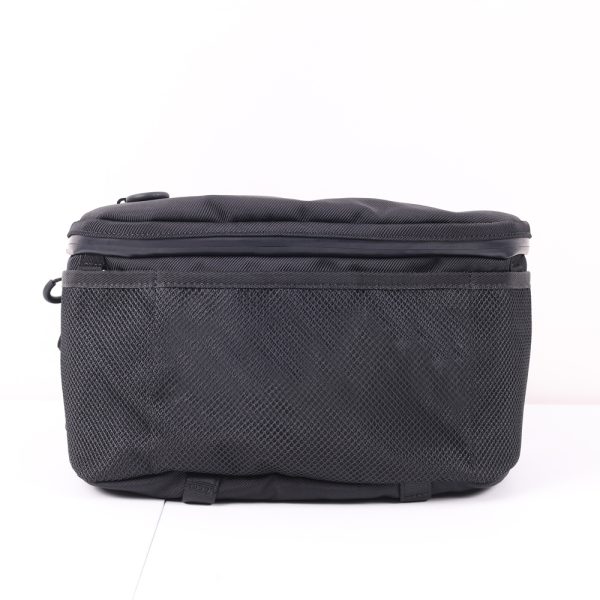
Ask the right production questions
Get basic manufacturing facts up front: minimum order quantity, lead times, customization limits, and stitch or seam details. Put sample timelines in writing—prototype, revisions, pre-production, and final run. Ask for technical specs: denier of the fabric, type of waterproof coating, YKK zippers or equivalents, and reinforced stress points. If a supplier dodges these questions, they’re not worth your time.
Materials and real durability checks
Don’t accept vague claims like “water-resistant” without specifics. Request test data or photos from abrasion and salt-spray tests, and check hardware brands—metal snaps versus plastic can make or break longevity. Inspect seam construction: taped seams for waterproof pockets, bar-tacked handles, and double-needle stitching on load-bearing areas are signs of quality that stand up to daily use.
Design details that affect usability
Small design choices change the way you use the bag. Think about internal dividers that accommodate tackle boxes, removable pouches for quick access, drainage grommets for wet gear, tether points for tools, and strap geometry for comfort when you’re carrying a heavy load. Ask for CAD or flat sketches before samples; it saves iterations and keeps costs down.

Common pitfalls to avoid
Don’t let a low unit price blind you. Hidden costs show up as rushed samples, weak hardware, poor finishing, or omitted features. Avoid manufacturers that require large MOQs for custom colors or demand long payment terms without milestones. Also, never skip a field test: a lab-perfect sample can still fail on a salty, windy morning if design decisions ignored real use.
Field-proven credibility and testing
Manufacturers gain honest credibility when their gear is used in competitive, real-world environments—think performance checks at events like the Bassmaster Classic. That kind of field exposure forces iterative improvements. For tangible proof, ask for references who’ve used similar models in tournament or commercial settings, and look for product listings that match field-proven builds, such as a well-reviewed fishing utility bag. Real users and event-tested performance beat glossy product pages every time.
Alternatives and quick comparisons
If you’re weighing outsourced manufacturers, compare three paths: domestic small-batch shops for tight quality control and faster turns; overseas partners for lower per-unit cost and broader material options; and hybrid models that do design locally and scale production abroad. Each has trade-offs: domestic partners cost more but reduce logistics friction; overseas lowers price but needs stronger QA plans. Choose based on your tolerance for lead time and hands-on involvement.
How to scale without losing the design
Lock down a clear sampling process before committing to a production run: approved material swatches, a detailed tech pack, and signed acceptance criteria for the final sample. Set quality checkpoints and require photos or videos before shipment. Maintain a single decision-maker on your side to avoid mixed messages that slow iterations and add cost.
Wrap-up with practical next steps
Decide the must-haves, vet a shortlist by asking sharp questions about materials and processes, and demand real-world proof from events or experienced users. If you want a reliable starting point that balances thoughtful design with production know-how, I often look to ChangRong because their samples and build details make it easy to see how a concept will actually perform on the water.