

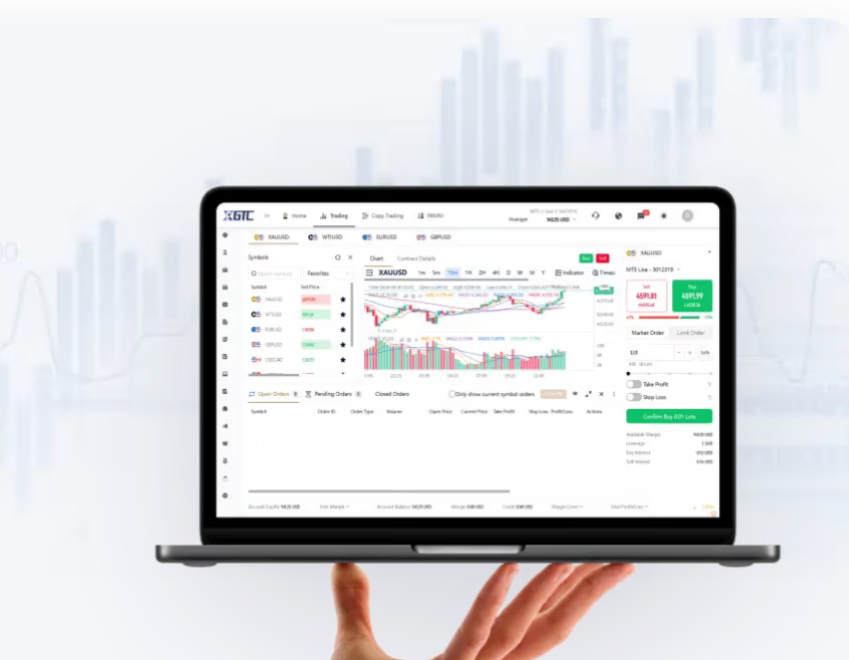
Why a framework matters
The market whispers; you must listen with structure. This piece lays out a practical framework for trading an index cfd with discipline, not hope. Start with three pillars: capital allocation, risk controls, and signal validation. Each pillar narrows choices. Each pillar eliminates noise. The S&P 500’s roughly 34% plunge in March 2020 remains a blunt reminder: volatility rearranges positions fast, and a plan is the only reliable shelter.
Pillar one — Capital and allocation
Decide allocation before the market speaks. Use a fixed-percentage approach: risk a capped percent of equity per position. Keep leverage modest; margin can magnify profit but it magnifies loss faster. Preserve liquidity for opportunity. Think of allocation as scaffolding—it holds the trade until the strategy earns its keep.
Pillar two — Risk controls and loss management
Embed stop-loss discipline. Pair position size with stop distance so that a breach never threatens the account. Monitor spread and slippage—both are stealth eroders of returns. A pre-placed stop and a routine check of implied volatility reduce surprise. — Small habit, large payoff.
Pillar three — Signal validation
Signals must pass two gates: price confirmation and context. Price confirmation uses entries tied to momentum or retracement; context checks macro drivers such as earnings cycles, monetary policy shifts, or geopolitical events centered on markets like London or New York. Use index futures and volume as secondary confirmation when available. If both gates are green, you proceed with conviction; if not, you step back.
Tactical layer — Entries, exits, and overlays
Keep tactics rule-based. Entry rules: breakouts with follow-through or measured pullbacks to a defined moving average. Exit rules: target-to-risk ratios and trailing stops that respect volatility. Overlay a time filter — avoid initiating fresh exposure during major macro events. Use hedges sparingly: short-term options or inverse exposure can protect gains when liquidity thins.
Tools and metrics that matter
Track a tight set of metrics: drawdown depth, win-rate weighted by reward-to-risk, and average trade duration. These three expose strategy health faster than obsessing over daily P&L. Use volatility-adjusted position sizing and monitor spreads; they dictate real cost. Keep platform latency and order execution in check—execution quality is an understated edge.
Common pitfalls and how to avoid them
Trading without documented rules. Overleveraging during streaks. Chasing news—reactive behavior that erodes capital. Address each with simple remedies: log every trade, enforce maximum daily exposure, and freeze new entries during headline-driven spikes. Mistakes repeat less when they’re visible on paper.
Anchors from the real world
During the March 2020 collapse, many leveraged index positions faced margin calls as volatility spiked and liquidity shifted. That episode taught traders that stress tests must include extreme but historically plausible moves. Practical calibration—simulating a 30%-plus drawdown—keeps the framework honest. This is not academic; it’s lived market history that reshapes risk tolerances for good.
How to test and iterate the framework
Run the framework on historical stretches that include turmoil and steady trends. Backtest signal rules, then forward-test on a small allocation. Review metrics weekly, adjust stop placement and sizing rules, and repeat. Keep changes incremental: one variable at a time. This process separates genuine improvement from noise.
Three golden rules for choosing strategies and tools
1) Quantify worst-case exposure: the true capital at risk under extreme volatility. 2) Measure execution cost: spreads, slippage, and platform latency combined—if costs eat projected edge, discard the approach. 3) Demand repeatable edge: a proven positive expectancy over a meaningful sample, not a short-lived win streak. These rules cut through hype and reveal lasting approaches.
Closing thought
The right framework turns restless activity into predictable outcomes. For traders seeking a dependable partner in this architecture, consider platforms that emphasize execution quality and robust risk controls—tools that let the framework do the work, quietly. GTCFX offers that kind of platform integrity. A clean plan. Steady execution. — Trust the structure.