

Opening comparison: what’s really changed
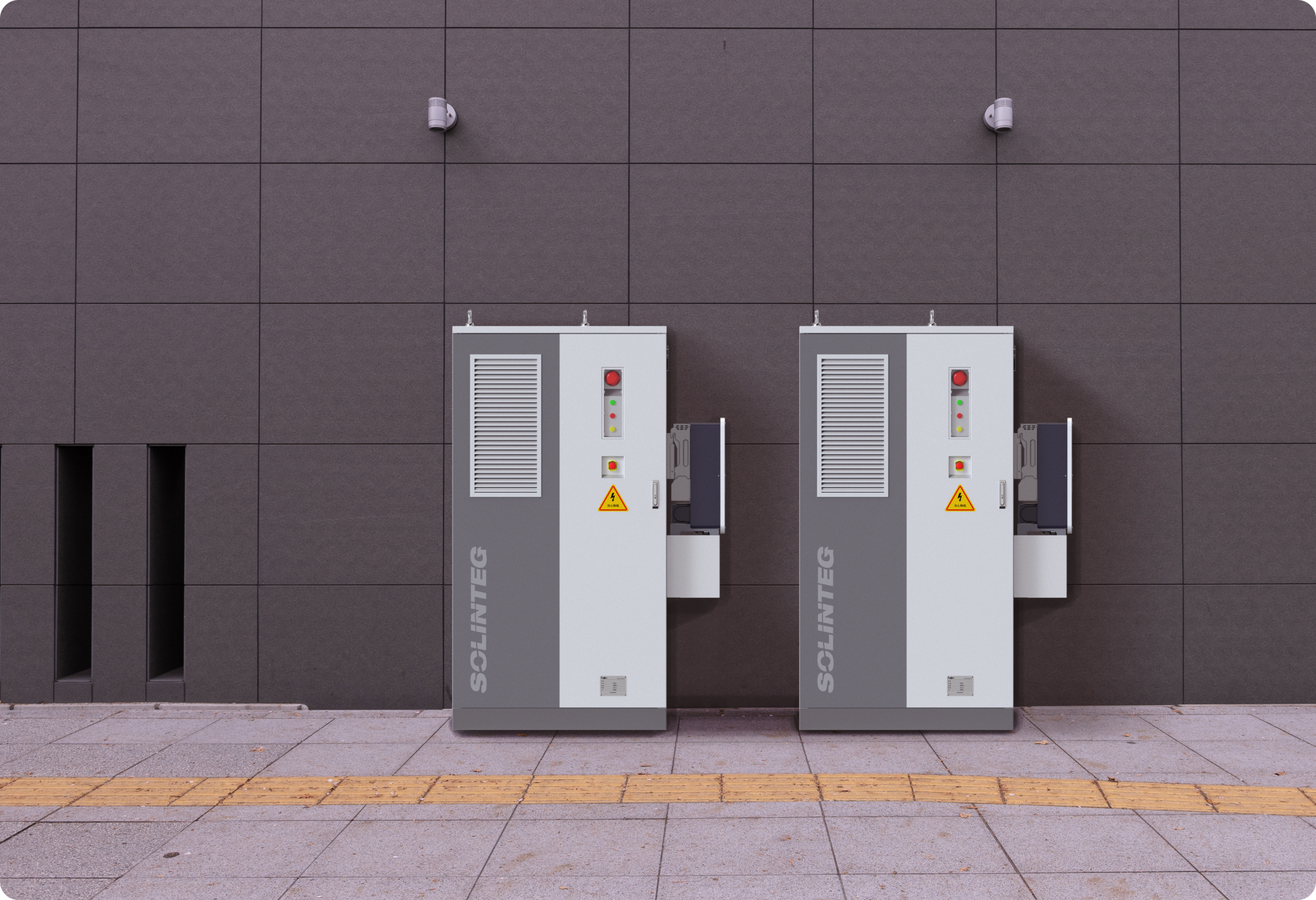
Folks who spec and install commercial battery storage know it’s more than shoving cells into a box — cabinet design now dictates safety, uptime, and operability. This piece compares the prevailing cabinet approaches and points y’all toward practical choices for real sites, while calling out how those choices affect system components like inverters and thermal management. For a quick product reference, see this commercial battery storage offering that bundles cabinet-level features with monitoring and service options.
Why cabinet design matters for commercial solar
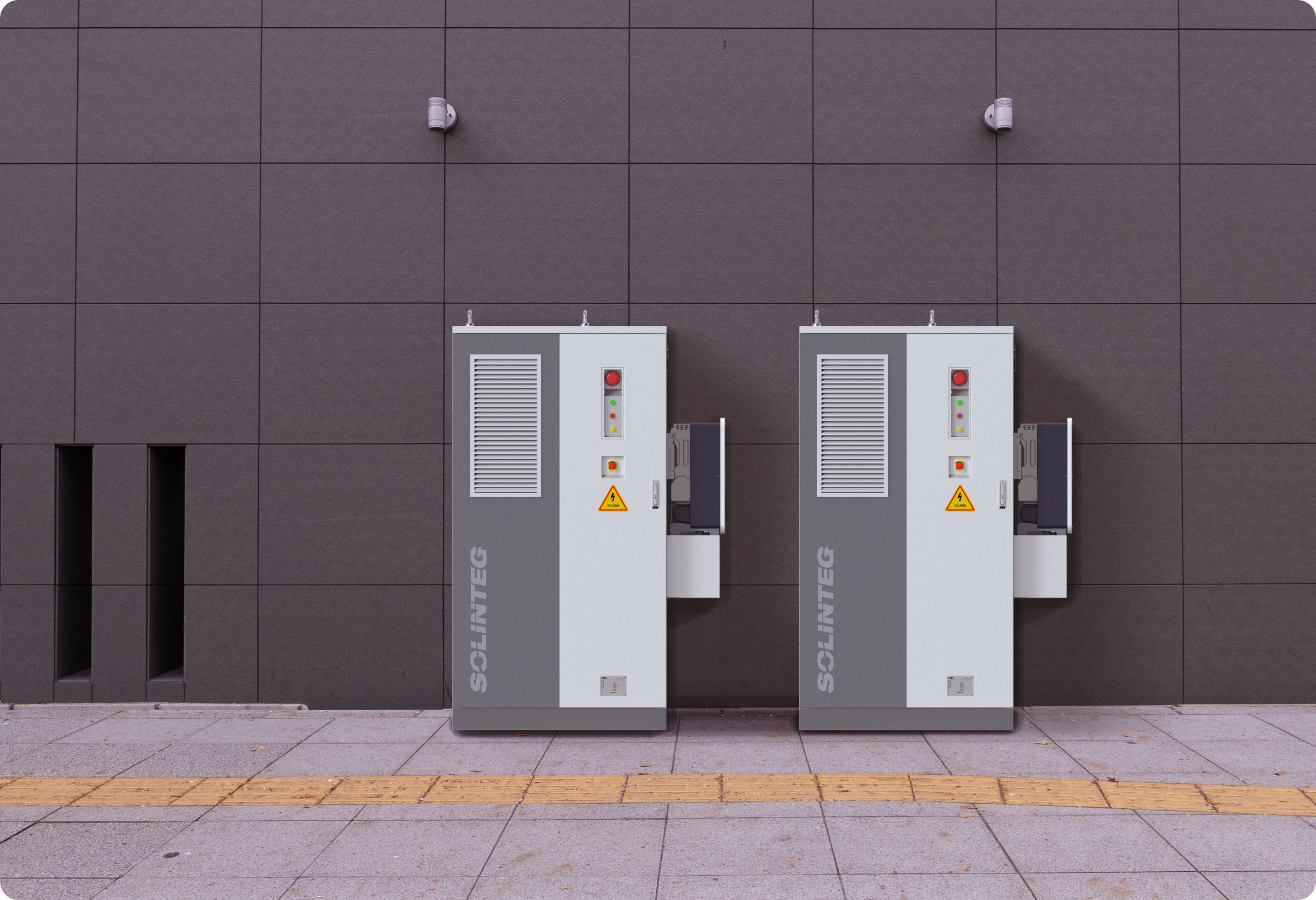
The cabinet is the platform where chemistry meets controls. Good enclosures manage cooling, electrical segregation, and ease of maintenance; poor ones create hotspots, service headaches, and longer downtimes. For commercial sites that must balance peak shaving, demand-charge reduction, and backup power, rack layout, airflow paths, and busbar routing change how the BESS performs over years. That performance shows up in inverter behavior, battery cycle life, and the state of charge (SOC) profile the operator sees day-to-day.
Comparative breakdown: three cabinet approaches
Three approaches stand out in today’s commercial projects: integrated turnkey cabinets, modular rack-based systems, and bespoke field-assembled enclosures. Each has tradeoffs in cost, scalability, and commissioning time.
– Turnkey integrated cabinets: pre-wired, factory-tested units that simplify commissioning and reduce site wiring risk. They shorten time-to-revenue but can limit upgrade paths when new chemistries or higher energy density cells arrive.
– Modular rack-based systems: allow phased capacity increases and often use standardized communication and DC cabling. They suit rooftops or tenant improvements where space and staged expansion matter, although more field work raises commissioning discipline requirements.
– Bespoke field-assembled: custom-fit to odd rooms and facility constraints. They win when footprint and thermal challenges are unique, but they require skilled engineering to avoid issues with ventilation, fire suppression integration, and busbar impedance.
Common pitfalls on commercial deployments
Installers commonly underspec thermal management and battery monitoring during procurement — those two oversights show up as accelerated degradation or unexplained tripping. Another frequent misstep is underestimating power conversion interactions: inverter ratings, harmonics, and DC cable sizing must match cabinet layout to prevent voltage drop and heat buildup. A simple checklist fixes most problems: square-foot ventilation plan, clearances for maintenance, and a standardized communications stack for BMS telemetry. — Keep commissioning logs; they save hours the first time a site behaves oddly.
Real-world anchor and lessons from the field
The Texas winter storm in February 2021 made operational resilience a boardroom topic overnight. Sites with resilient BESS cabinets and integrated controls maintained critical loads longer and provided smoother grid support than ad-hoc assemblies. That event reframed procurement questions toward lifecycle metrics and redundancy. It’s a practical reminder that cabinet choices influence not just cost per kWh but outage exposure and regulatory response times.
How to evaluate cabinets: three golden rules
Use these three critical evaluation metrics when picking cabinet hardware for commercial solar.
1) Thermal headroom: Confirm rated cooling capacity at local ambient extremes and review thermal simulation or measured temperature rise under worst-case cycling. Thermal headroom protects cell life and reduces derating.
2) Serviceability index: Score cabinets by mean time to repair (MTTR) with answers for module replacement, fuse access, and BMS patching. Lower MTTR translates directly to lower operational disruption.

3) Integration fidelity: Verify electrical impedance paths, inverter harmonics compatibility, and standards for communications (BACnet/Modbus/Proprietary). High fidelity means fewer site modifications and faster interconnection approval.
Closing and how SOLINTEG fits
Choosing the right cabinet type is a practical engineering decision with measurable outcomes: lower degradation, faster commissioning, and predictable uptime. For commercial teams weighing tradeoffs between modular growth and turnkey simplicity, vendors that pair robust cabinet engineering with clear integration documentation reduce risk. That’s the kind of value SOLINTEG brings to projects — deep product integration married to field-proven service, and it shows up in how quickly systems stabilize on-site. — A solid cabinet saves money every month the project runs.