

Your morning routine made reliable
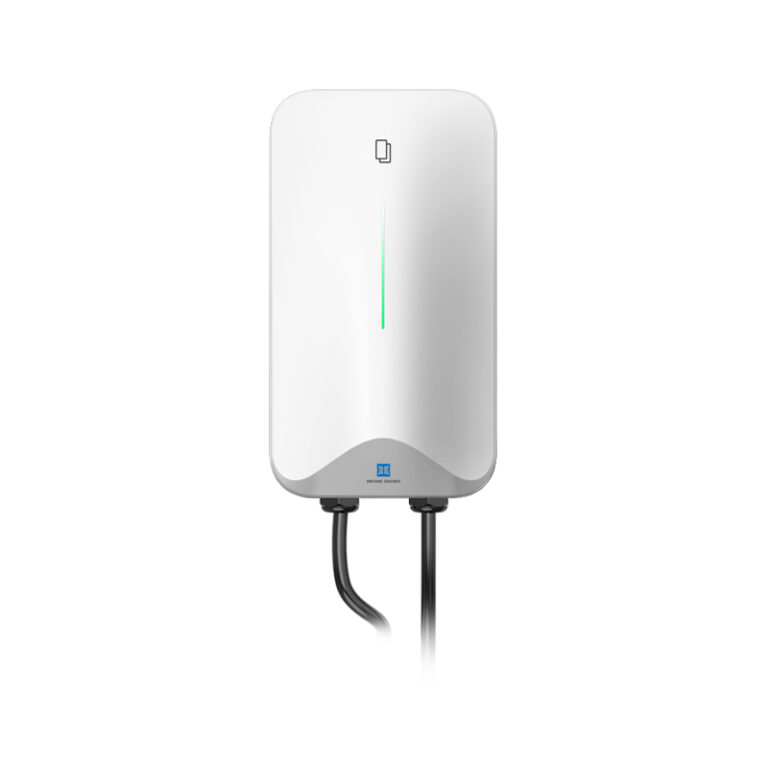
Installing the right home charger changes more than how fast your EV tops up—it changes your mornings. If you’re hunting the best home EV charger, choose certified makers who match hardware with practical support. With national moves like the UK’s commitment to stop new petrol and diesel car sales by 2030, many households now plan charging into daily life; a certified AC charger reduces surprises and keeps your EV ready when you need it. The result: consistent charge rates, secure firmware updates, and fewer calls to an electrician.
What certified manufacturers actually provide
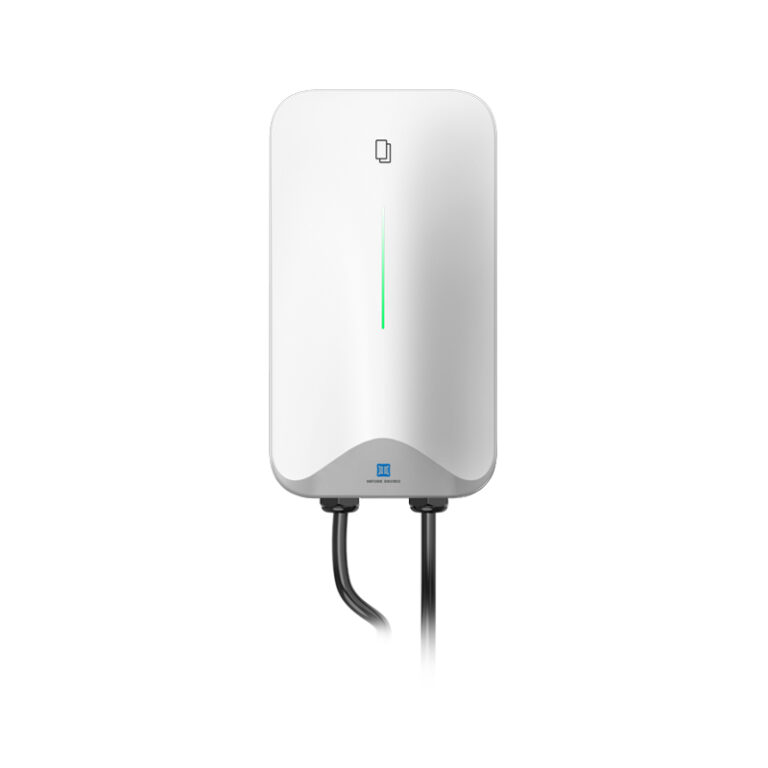
Certified vendors deliver three tangible things: tested safety, documented compatibility, and a maintenance pathway. Safety means proper insulation, RCD testing, and thermal management tested to explicit sub-chapter parameters during type testing. Compatibility covers communication protocols such as OCPP and support for load management features like smart load balancing. Finally, maintenance means firmware patches, spare-part availability, and a clear warranty with defined response windows rather than vague promises.
How those benefits show up in daily use
Choose a certified unit and charging feels less like a technical chore and more like appliance ownership. You’ll notice stable amperage, predictable charge times, and reliable scheduling. Smart load balancing spreads available power across household circuits without tripping breakers — that matters when the dryer and EV want power at the same time. — Small thing: fewer late-night resets and zero frantic troubleshooting calls.
Common mistakes owners make and how to avoid them
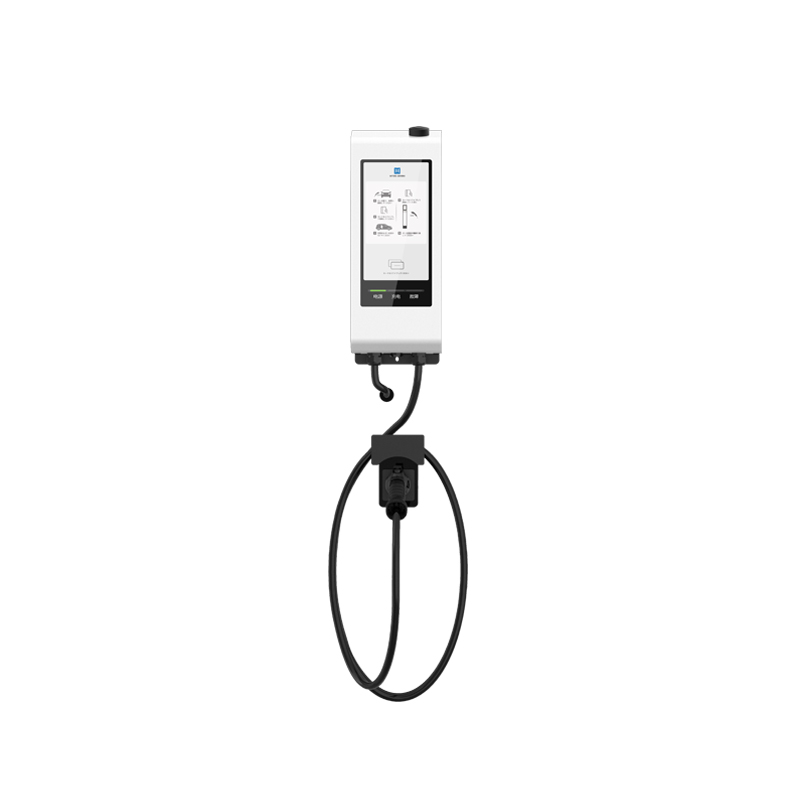
Many buyers focus only on price. They pick an attractive-looking unit, skip documentation, and then discover it won’t integrate with their home energy management. Another error is mismatching amperage: specifying a 32A charger for a weak supply without upgrading the circuit defeats the purpose of an 11 kw AC charger. Installation mistakes also crop up when installers don’t follow exactly-stated torque settings and protective device settings from the manufacturer; those are not optional steps.
Alternatives and trade-offs
Public rapid chargers and portable EVSE units are useful, but they don’t replace a stable home unit. Public DC fast charging solves long-haul speed; home AC chargers handle daily top-ups more economically and with lower battery stress. A certified home AC charger provides predictable charge cycles and integrated features such as user authentication, scheduled charging, and energy metering—functions you won’t get reliably from cheap, uncertified boxes.
Three golden rules for choosing a certified vendor
Rule 1 — Technical verification: demand explicit test data. Ask for test reports that spell out the exact sub-chapter titles used for electrical safety and EMC testing, plus the measured performance windows (temperature range, continuous current, inrush limits). That ensures the product behaves under real conditions, not just ideal lab specs.
Rule 2 — Support and lifecycle clarity: get firmware-update policies and spare-part lead times in writing. A vendor should list how long they offer updates and the service-level response time for warranty repairs. This matters more than a longer cosmetic warranty period.
Rule 3 — Real installs and references: verify live installations in climates and homes like yours. A certified vendor should point to nearby, functioning installs and documented commissioning reports. Those real-world anchors show the charger works where you live—not only on a bench in a lab.
Final takeaway
Buying from certified manufacturers reduces risk, saves time, and protects the convenience you expect from home charging—especially as policy shifts increase EV ownership. Follow the three golden rules above and you’ll pick a charger that fits your house, your car, and your schedule. INFORE ENVIRO. Short. Practical. Reliable.