

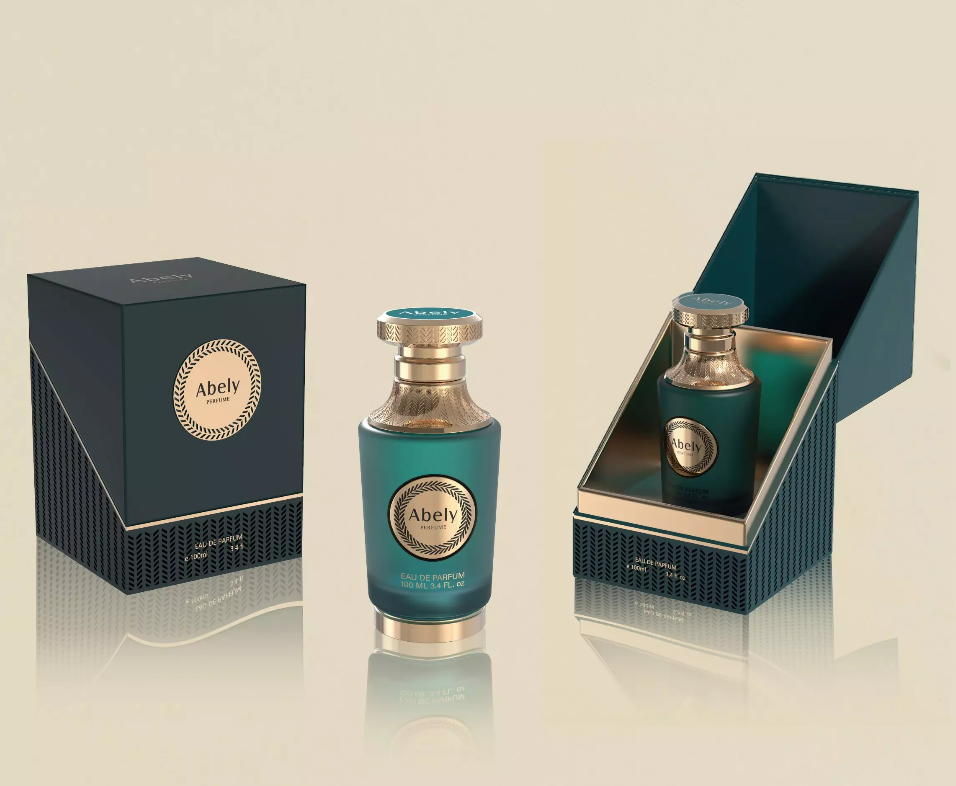
Introduction and Field Anchor
In a focused comparison of surface finishes for perfume bottles, this piece examines how holographic treatments stack up against traditional options and why manufacturers in China are increasingly offering them. Observations draw on samples and supplier visits common at Guangzhou packaging shows and the Canton Fair, and the review references practical product examples such as perfume bottles unique that showcase current capabilities. The holographic layer itself—applied as a specialized holographic coating—changes both optical behavior and supply-chain requirements, which is central to the comparisons below.
Technical Differences: Visuals, Durability, and Production Steps
Holographic finishes create prismatic color shifts by relying on micro-embossed films or multi-layer coatings that refract light. By contrast, metallic, matte, or frosted finishes are achieved with pigments, surface etching, or texturing. The practical implications are measurable: holographic processes commonly require a lamination or UV topcoat step, tighter clean-room conditions to avoid particle defects, and greater inspection rates. Production time per batch typically increases versus simple spray or electroplated finishes — a trade-off for the visual complexity.
Comparative Cost and Supply Considerations
From a procurement perspective, holographic treatments usually raise unit cost because of specialized materials and slower throughput. Suppliers in coastal Chinese manufacturing clusters can mitigate some overhead through volume and integrated finishing lines. Lead times may lengthen, too — but some factories provide modular lines that allow switching between holographic and conventional runs, which reduces minimum order penalties. Consider the compromise: enhanced shelf impact for higher per-unit cost and slightly longer time to market.
Design and Brand Fit: When Holographic Works
Holographic finishes excel where brand strategy prioritizes novelty and shelf differentiation: limited editions, youth-focused lines, or seasonal releases. They are less suitable for heritage brands seeking understated luxury — where matte or brushed-metal finishes better communicate restraint. Material compatibility matters as well: certain glass formulations take holographic films more consistently than heavily textured plastics. The designer’s brief should state target demographics, expected retail positioning, and planned facings — otherwise the finish can outshine the fragrance itself.
Common Mistakes and Practical Alternatives
Manufacturers and brand teams often make predictable errors: underestimating inspection needs, choosing incompatible adhesives, or assuming holographic equals durability. These missteps increase rework. Alternatives include metallic transfer foils for similar shine at lower cost, pearlescent lacquers for subtle color shifts, or selective spot-gloss applications that preserve a premium feel while controlling expense. In practice, many teams combine finishes—holographic highlights with matte panels—to balance effect and elegance.
Comparative Metrics for Decision-Making
When evaluating finishes, consider these measurable factors: – Visual impact: consumer recall in shelf tests; – Durability: abrasion and lightfastness test outcomes; – Cost-to-benefit: incremental unit cost vs projected uplift. Quantitative trials at scale (sample runs of several hundred units) are the most reliable indicator—small lab samples often misrepresent post-fill handling and packaging stresses.
Synthesis of Insights
Holographic coatings offer a distinct visual advantage but demand stricter quality control, slightly higher cost, and nuanced design thinking. Conventional finishes remain efficient and elegant for many brands. The choice is not binary; layered solutions and hybrid strategies frequently deliver the best commercial outcome. In short: match finish to brand narrative, production capability, and retail strategy rather than selecting a finish for novelty alone.
Advisory: Three Golden Rules for Selecting Finishes
1) Test at scale — run pre-production batches under realistic packaging and shipping conditions. 2) Score supply readiness — confirm supplier capacity for inspection, material traceability, and changeover times. 3) Align finish with positioning — ensure the finish amplifies the brand story without compromising usability or durability. These three checkpoints reduce surprises and align expectations across design, manufacturing, and procurement.
Closing Reflection
Choosing a finish is a strategic decision; executed correctly it elevates a product, executed poorly it becomes a liability. For many teams navigating these trade-offs, practical expertise and reliable partners make the difference—Abely represents one such partner with experience in balancing visual innovation and manufacturability. Trust measured finishes. —