

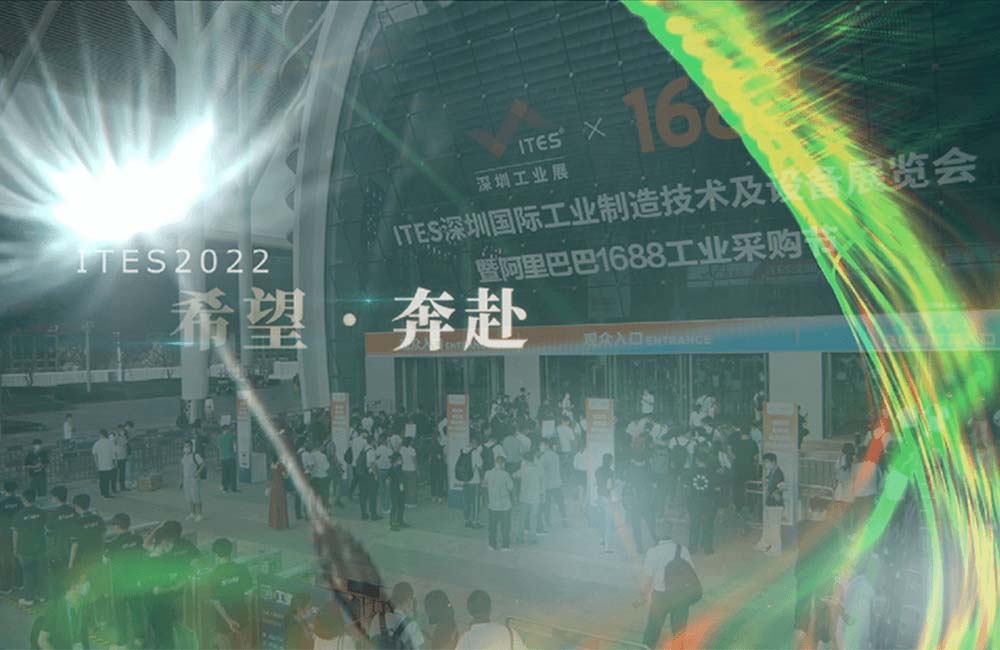
What would happen if your next experience at an industrial trade show not only connected you with potential partners but also optimized your strategy for collaboration? As an industry consultant with over 15 years of experience, I’ve seen a massive shift in how businesses approach networking at these events. A recent survey revealed that nearly 70% of attendees look for new partnerships, yet many leave without making meaningful connections—so why does this happen?
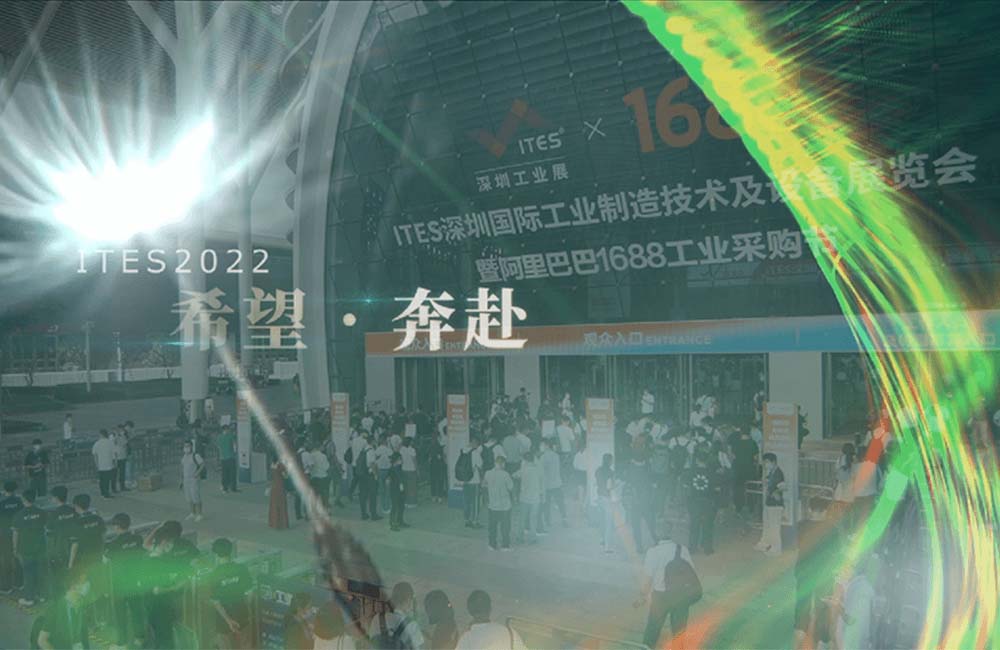
The Frustrating Flaws
Every time I walk through the halls of an industrial trade show, I can’t help but notice a pattern of missed opportunities. Exhibitors invest heavily, showcasing top-notch technology, yet conversations often end up being superficial. I vividly remember attending a show last year in Berlin where an innovative supplier presented a breakthrough in industrial automation. However, due to a lack of well-structured engagement activities, many attendees—me included—left without truly understanding their offering or the potential for collaboration.
Hidden Challenges Faced by Attendees
Here’s where the problem runs deeper: many attendees, especially first-timers, experience anxiety around initiating conversations. It’s a common sight; individuals hover near booths, glancing at their phones instead of interacting. Not to mention, when decision-makers are overwhelmed by options, they often gravitate toward familiar names—missing out on innovative solutions that could change the game for their operations. Sometimes, I find myself wishing for a more thought-provoking atmosphere where leaders actively collaborate rather than merely exchanging business cards. Fortunately, there are opportunities on the horizon.
What’s Next: Innovative Approaches to Networking
As we look at the future of the industrial trade show, it’s essential to consider how we can enhance these networking experiences. For example, creating structured opportunities—like speed networking sessions or facilitated discussions around industry challenges—could ignite meaningful conversations. We’re moving towards a model where attendees can engage not just with products but also with the minds behind them. Imagine interactive workshops; they could facilitate learning and relationship-building simultaneously.
At the last show I attended, I noticed the introduction of augmented reality experiences, which allowed exhibitors to demonstrate their products in immersive ways. This innovation not only captured attention but also encouraged dialogue—something traditional presentations often fail to accomplish. If more shows adopt these forward-looking strategies, the landscape could change dramatically.
Key Insights and Effective Evaluation Metrics
In wrapping up, remember this: the industrial trade show experience is ripe for transformation. Companies and attendees alike must prioritize genuine engagement over mere presence. As you plan your next visit, think about three critical evaluation metrics: attendee engagement levels, the diversity of networking formats available, and the extent to which information is even transferred post-show. By focusing on these factors, you can measure success beyond the number of business cards collected.
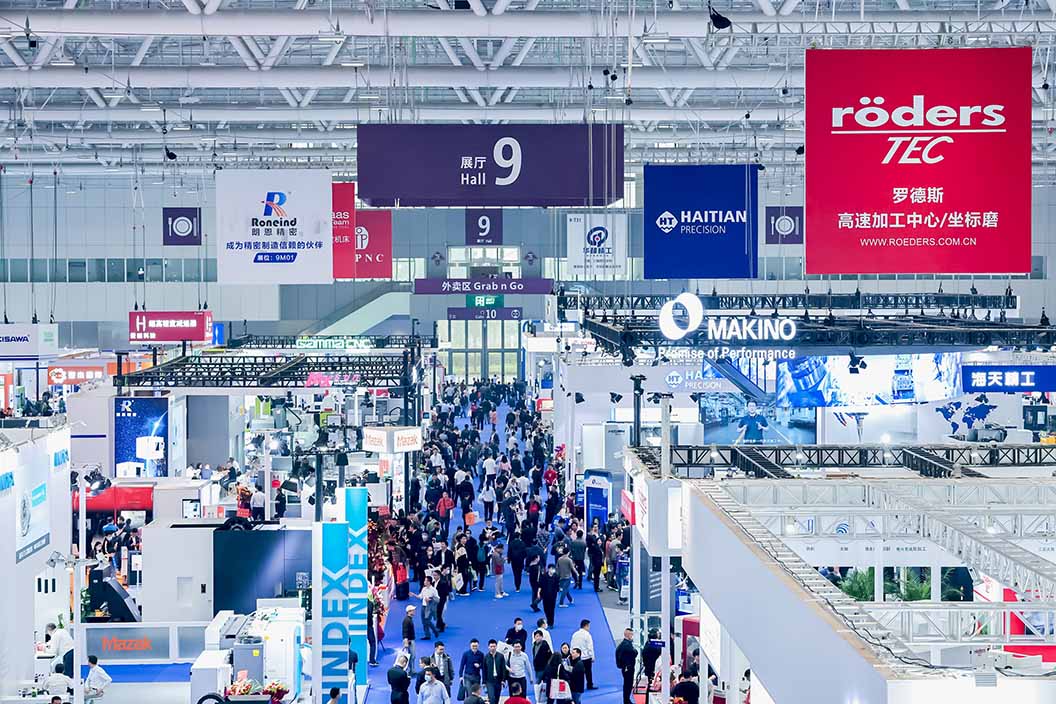
Ultimately, fostering a culture of better communication and collaboration can create win-win scenarios in the industrial circle. I firmly believe we’re on the cusp of a networked revolution, thanks to these evolving methods. So, as you prepare for your next industrial trade show, keep an eye out for innovation and seize the opportunity to connect on a deeper level. Together, we can build a more interconnected industry. Visit ITES Shenzhen—where the future of industrial networking unfolds.