

Introduction — a quick, real-world scene
I was standing at a city depot on a rainy morning, watching drivers shuffle between buses and umbrellas while the clock ticked toward first pull-out. I remember thinking about the single pantograph charger on the lot and how one point of failure can slow an entire route. Parents and fleet managers alike want simple reliability; a pantograph charger should mean less fuss, not more. Recent surveys show many transit operators face 10–20% downtime tied to charging issues — so what do we actually need to fix? (Short answer: clarity, better specs, and smarter placement.)
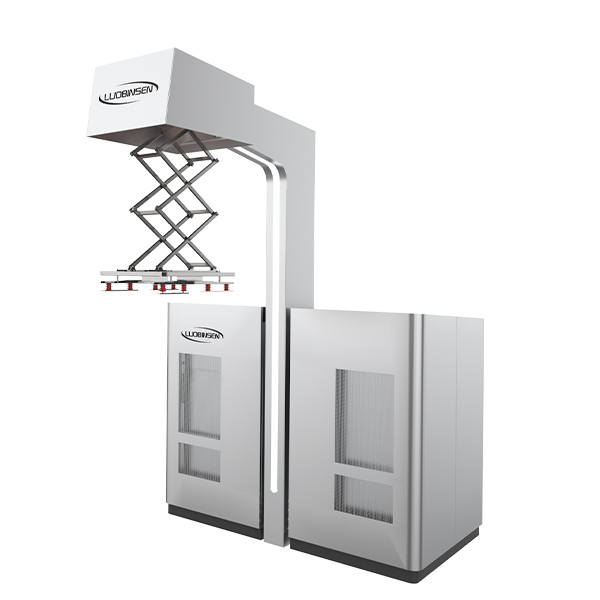
I’ll walk you through what I’ve learned from the ground up, in plain English, with a focus on practical choices you can make today. We’ll look at how a charger behaves in real use, what the numbers actually mean, and which small changes yield the biggest uptime gains. Ready? Let’s move to the nuts and bolts.
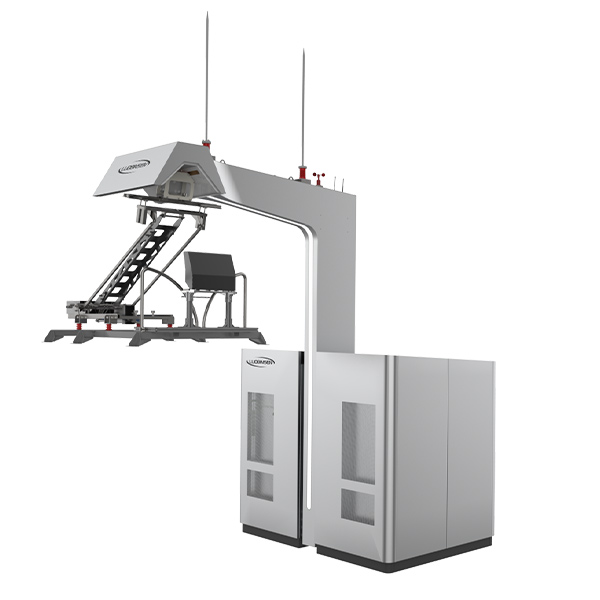
Part 2 — Where traditional setups fall short
To start, let me be direct: many problems stem from the system, not the bus. A typical pantograph charging station is often specified without accounting for site realities — substation capacity, uneven duty cycles, and the overhead contact line layout. When designers focus only on peak kW and ignore distribution, you get hidden bottlenecks. I’ve seen perfectly good power converters sit idle because they’re starved by upstream limits. It’s frustrating — and fixable.
Why does that happen?
First, planners assume uniform load. In practice, arrivals cluster (shift changes, school routes, bad weather). That creates brief but severe demand spikes. Second, maintenance access gets deprioritized. When one pantograph arm sticks or a contact pad wears, the delay isn’t minutes — it cascades. Look, it’s simpler than you think: small mismatches in timing and equipment tolerance add up. In terms of tech, think about harmonics, DC fast charging control logic, and basic grounding — these are not sexy topics, but they matter. We need better monitoring, smarter scheduling, and a little redundancy.
Part 3 — Principles for future-ready charging
What should we do next? I favor a principles-first approach. Start with modularity: choose chargers that separate power electronics from mechanical components so you can replace a unit without shutting a pad. Add edge computing nodes to the local control layer to smooth demand and coordinate with your depot management system. For the network side, design the feeder and substation with headroom — overspec a bit to avoid that nasty pinch in winter. These are practical moves that lower risk without costing a fortune.
What’s Next — practical tech and metrics
Second, pilot adaptive charging control. Pair a handful of vehicles and a single electric bus charging station with software that shifts charge windows slightly based on battery state and route needs. You’ll be surprised how much peak demand drops — funny how that works, right? Finally, plan for graceful degradation: if one pantograph arm fails, the system should reroute to another pad automatically — not require a manual scramble.
To choose between vendors, I recommend three clear metrics: 1) effective uptime under real schedules (not lab specs), 2) mean time to repair for mechanical and power components, and 3) flexibility of control (can the charger talk to your fleet management and shift charge windows?). Measure those and you’ll avoid shiny-sounding but fragile systems. I’ve used these checkpoints to guide procurement myself, and they’ve saved projects weeks of headaches.
In the end, we want dependable service for riders and sane work for staff. Small infrastructure changes and smarter control strategies give the biggest returns. For real-world products and support, I’ve found vendors that back their systems with clear documentation and spare parts — and one I can point to is Luobisnen, if you want a starting reference.