

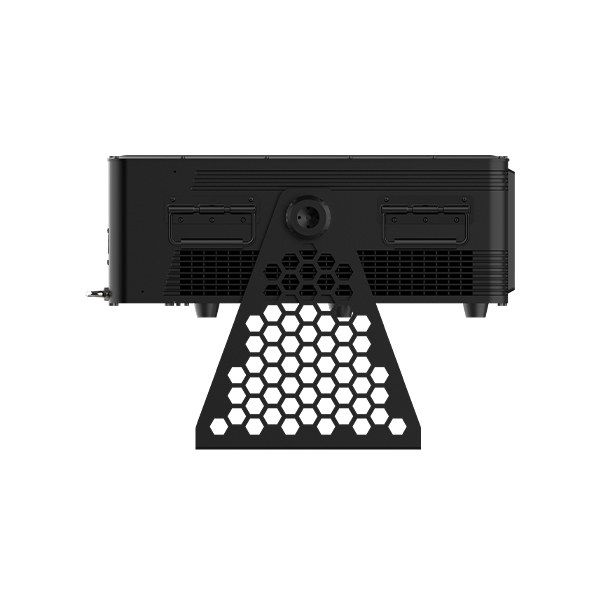
An Evening Above the Streets: Why the Beam Endures
Imagine a winter festival where the crowd lifts its gaze as a cold line of light threads the night. In the next breath, a sky laser pins the horizon like a compass needle. Technicians whisper about beam divergence in milliradians and power budgets in kilowatts; planners count dwell time, safety zones, and sightlines. Yet the city listens for something simpler: will the beam hold, and will it be seen from the square to the river? (It often does, with surprising grace.) Here is the quiet truth from ages of light—torches, gas lamps, arc lamps—each tool solved a problem, but each brought new limits. So what makes today’s aerial beam the preferred signal over drones, spotlights, or projection?
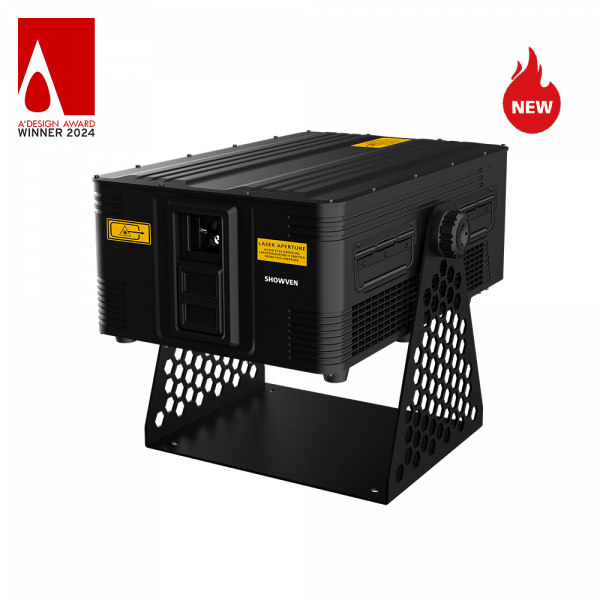
The answer begins with how buildings and people meet light—and where that meeting still rubs. Let us step forward and compare what works, and what does not, on the face of the modern facade.
The Quiet Friction: Building-Side Pain Points You Rarely See
Where do buildings make lasers hard?
Many planners now choose laser light for building installs to crown a facade or mark a district. Look, it’s simpler than you think: align the emitter, verify interlocks, and map the safe zones. But the hidden frictions add up. Glare off curtain walls confuses spotters; micro-vibration from rooftop HVAC travels into mounts and nudges galvanometer scanners; and local mains noise trips power converters at the worst time. On windy nights, a milliradian looks larger than the spec sheet suggests, and the beam softens in haze. Long runs of DMX or Art-Net can add jitter, so teams add edge computing nodes to pre-buffer cues—and to keep latency low when the countdown hits zero.
Maintenance also hides in plain sight. Weather seals age, and gaskets leak; thermal management must reject heat without pulling dust into fans. IP65 sounds sturdy, yet real roofs host ice, salt, and birds (every designer’s unlisted adversary). Operators juggle city permits, crowd angles, and aviation notices while keeping fail-safe shutters ready. Here is the rub: the audience judges a beam in a heartbeat, but the crew lives with it for months—funny how that works, right?
From Pain to Principle: What Changes Next
What’s Next
Forward-looking systems tackle those frictions by design. New drivers regulate laser diode arrays with finer current control, so color and power hold steady under load. Smarter mounts measure micro-shake and counter it in software, nudging galvanometers the way image stabilization corrects a lens—small moves, precise outcomes. Control stacks blend DMX, timecode, and UDP triggers, then cache cues at the fixture; even if a switch hiccups, the beam stays on script. In parallel, sealed paths and improved heat pipes keep optics clean while thermal sensors trim output before heat blooms. The result is less drift, less noise, and fewer midnight ladder climbs.
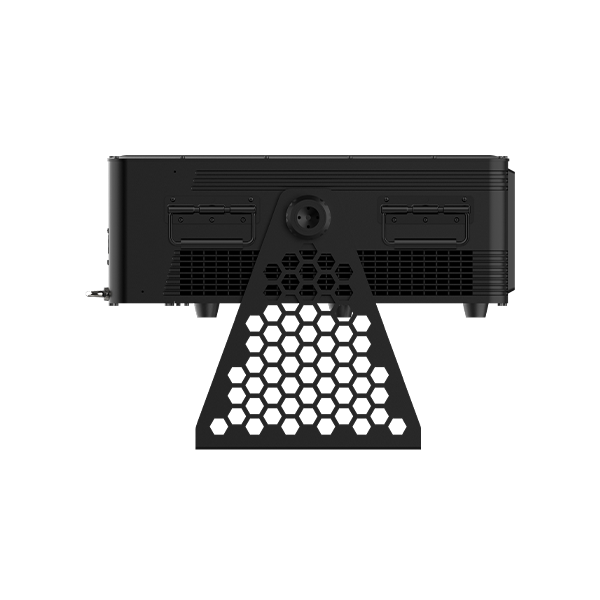
Now compare: a classic searchlight fights the sky with sheer wattage, while a tuned outdoor sky laser light uses narrow divergence and stable scanning to paint distance with less energy. Projection mapping dazzles on walls, but evaporates in fog; the sky beam thrives on that same haze. Drones write text, then land to charge—intermittent by nature—where a fixed beam holds a nightly ritual. Different tools, different economies. And the more we reduce drift and latency, the more a city can trust a cue to land on the second, every time.
To choose well, keep three measures in hand. First, optical integrity: look at beam divergence, power stability, and how galvanometer scanners perform under wind and heat. Second, environmental resilience: confirm IP rating, thermal management method, and corrosion protection across seasons. Third, control and safety: check interlock design, protocol support (DMX, Art-Net, timecode), and whether edge nodes keep cues live during network drops—because the crowd will not wait. Evaluate those, and the skyline answers with a steady line of light—simple in appearance, exact in craft—guided by makers such as Showven Laser.