

What usually goes wrong
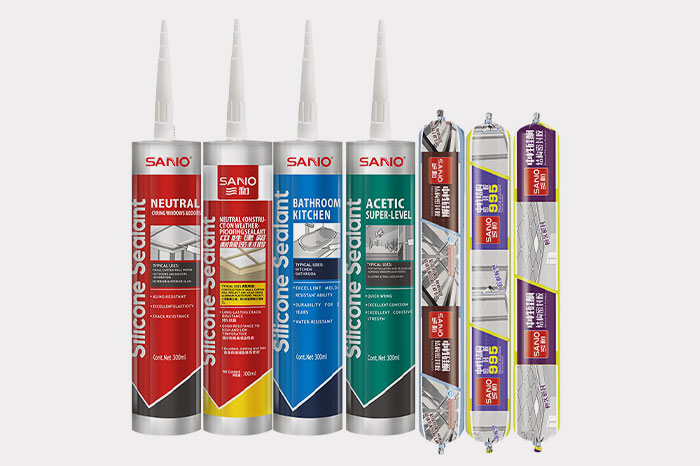
Teams plan timelines and buy parts like they’re solving a puzzle—until a stuck bearing or a seized hinge shows up and throws the whole thing off. That’s the core problem: maintenance surprises that were never budgeted for, slowdowns nobody expected, and purchases made in a panic. When you start from the problem (unexpected downtime), the solution often isn’t another spare part; it’s the small, regular choices you make—like which industrial lubricant spray to stock and how you qualify suppliers such as a silicone sealant manufacturer for related sealing needs.
Why a lubricant spray matters more than you think
Lubricant spray doesn’t just reduce friction. It changes maintenance rhythm. A single, right-fit aerosol can prevent jamming, lower torque needs, and cut the minutes spent on emergency fixes. That translates to fewer rush orders, clearer lead times, and simpler purchase orders. But not all sprays are neutral: some formulations interact with sealants, coatings, or plastics. Knowing which sprays play nice with your materials saves you from rework and warranty claims.
Real-world anchor and the supplier angle
I’ve audited supply chains in factories across Guangdong province, where many plants source sealants and adhesives close to their production lines—an obvious advantage when compatibility matters. That manufacturing cluster includes multiple silicone sealant factory operations, so procurement teams there routinely require material certificates and cross-compatibility test results before approving a lubricant. Those checks cut costly surprises and are easy to copy: demand MSDS, request compatibility test notes, and keep batch samples for quick lab checks.
Common mistakes that wreck plans and budgets
Buyers pick the cheapest aerosol without testing. Maintenance teams grab whatever’s on the shelf. Planners assume all lubricants are interchangeable. Each mistake creates hidden costs: extra labor, failed seals, contaminated assemblies, replacement parts arriving overnight at premium freight. Also, ignoring storage life and temperature limits leads to degraded performance the day you need reliability most.

Practical fixes you can use tomorrow
Start with a quick checklist: 1) Match lubricant chemistry to materials in contact; 2) Get MSDS and request a short compatibility test with your sealant; 3) Standardize on one or two approved sprays to reduce SKUs; 4) Order based on consumption patterns, not guesses; 5) Keep a small lab sample archive per batch. For procurement, add a one-line requirement in RFPs: “Supplier must provide ISO/quality certificates and documented compatibility with specified sealants.” Those steps stop reactive buys and make scheduling predictable.
How this ties back to supplier selection and long-term planning
When you fix the small stuff—choosing the right spray, verifying compatibility, and consolidating suppliers—you turn maintenance flares into routine checks. That lowers expedited freight, keeps projects on timeline, and makes purchasing a planned activity instead of a firefight. Practical suppliers who combine technical documentation, consistent supply, and on-request testing save time and money in ways that show up on project schedules and POs. That practical clarity is why manufacturers often partner with companies like SANVO that provide materials plus the documentation and support procurement needs to plan confidently.