

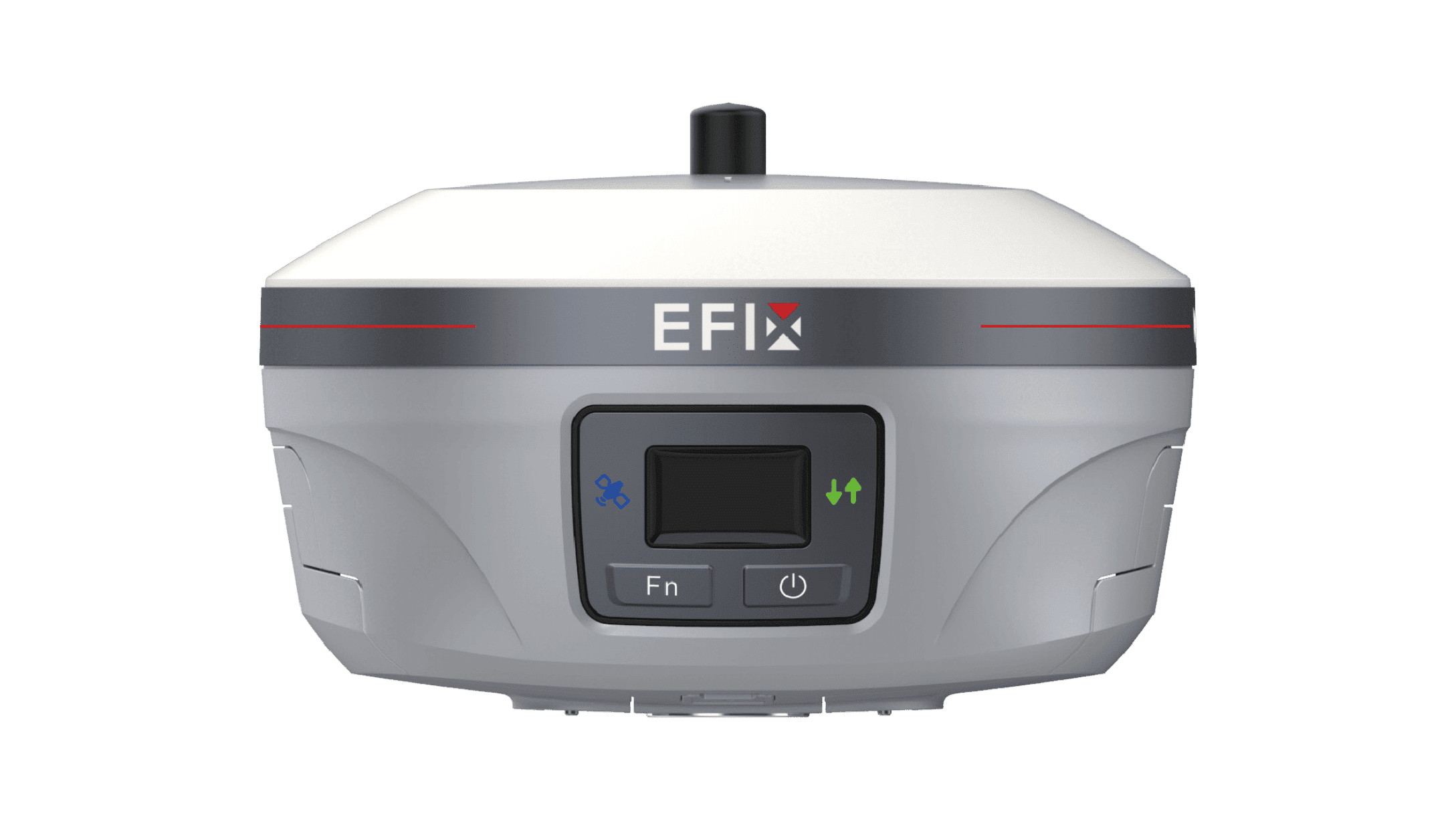
Understanding the Landscape of Precision Farming
I vividly recall my first encounter with tractor autosteer systems. It was during a busy harvest season in 2010, and I was amazed at how technology could drastically improve efficiency on the farm. In a world where farming operations increasingly rely on precision technology, the challenges of implementing tractor autosteer systems can often raise questions about reliability and performance. How does one choose the best solution amidst a plethora of options? The expectations are high, but so are the stakes.
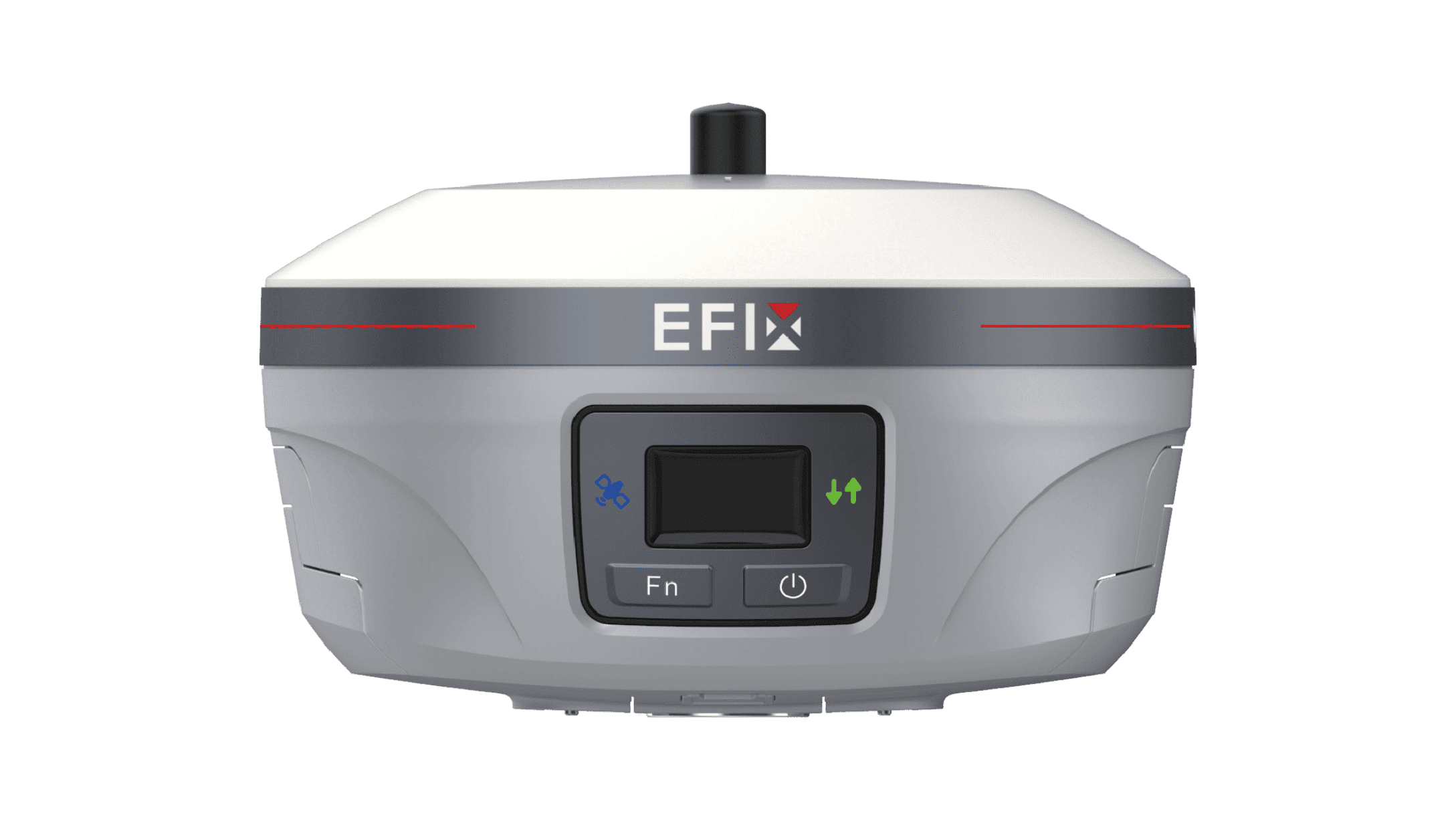
Common Struggles with Adoption
Despite the buzz surrounding tractor autosteer systems, many operators struggle with traditional solutions that simply don’t deliver as promised. I have spoken to countless farmers who shared their frustrations regarding inconsistent GPS signals and complex installation processes. These issues not only waste time; they can also drain resources—both financial and mental. Additionally, technical support is often lacking when the systems fail to meet farmer expectations, leaving us to troubleshoot complex software glitches on our own. It is these hidden hurdles that discourage many from embracing the technology fully.

Are We Maximizing Our Investment?
In navigating the challenges of precision farming, it becomes essential to understand how these systems should function. With sophisticated GPS technology, farmers now have the ability to reduce overlap and save on input costs. Yet, many of us remain left in the dark, unable to leverage these advancements effectively. The reality is that embracing automatic steering enhances productivity, but only if one can manage the integration seamlessly. I’ve learned that not all systems are created equal, and some support a ‘set it and forget it’ mentality, while others require continuous monitoring and adjustments.
Advancements on the Horizon
Reflecting on my experience, the developments in tractor autosteer systems are genuinely exciting. With the increasing focus on smart farming, systems are becoming more intuitive and user-friendly. I believe that in the coming years, these innovations will address many pain points we face today. Improved connectivity through IoT (Internet of Things) technology will allow farmers to monitor and control their equipment from their smartphones, enhancing the user experience significantly. The future is not just about steering; it’s about creating an interconnected farming ecosystem.
What Can We Expect Next?
As we look ahead, the focus on integration and data analytics stands to reshape how we perceive tractor autosteer systems. The ability to generate actionable insights from performance data will pave the way for more informed decision-making. My hope is that with advances in machine learning, these systems can learn from our practices and adapt in real time, improving both efficiency and sustainability. As farmers, we must be ready to embrace these changes.
Key Takeaways for Your Next Steps
As someone who has weathered the challenges of modern ag-tech, it’s essential to evaluate potential tractor autosteer systems based on three key metrics: installation simplicity, reliability of the technology, and the quality of customer support. The right system should empower farmers, enabling us to maximize productivity while mitigating stress. One thing is clear; technology is evolving faster than we can adapt, yet it holds the potential to transform our farming approach radically. I firmly believe that selecting the right solution can lead to substantial long-term savings and operational improvements. So, what’s holding you back? The power of technology awaits, and companies like EFIX are leading the charge in revolutionizing the future of farming.