


User-first opening: how control hardware shapes your outcome
When a design team starts a project, the controller often dictates what’s realistic and what stays aspirational. A user-centric controller reduces setup cruft and keeps creative intent intact, from live events to permanent installations. For teams that need reliable playback and live mixing, integrating video display control early prevents costly rework and clarifies signal routing and playback timelines.

Which features actually matter to practitioners
Focus on three practical features: intuitive interface, strong processing headroom, and precise colour calibration. Intuitive interfaces shorten training time for technicians. Processing headroom — a capable processor and ample memory — prevents dropped frames and lets you run compositing and effects without overloading the system. Colour calibration tools deliver predictable results across modules and maintenance cycles. These choices matter whether you’re specifying a retail façade or an arena-scale LED wall.
Common mistakes and sensible alternatives
Teams often pick the flashiest spec sheet item — highest advertised resolution — without matching it to viewing distance or budget. That leads to overspend on pixel density while neglecting power delivery, thermal management, and control redundancy. A sensible alternative is to balance pixel pitch with dependable refresh rate and robust signal routing. — Expect fewer surprises on install if you prioritise real-world operation over headline numbers.
Operational production teardown: a lightweight checklist
Before deployment, run a short operational production teardown to verify signal chains, firmware parity, and failover behaviour. During the operational production teardown, we check {main_keyword} and {variation_keyword}, confirm firmware versions across controllers, validate frame rate lock between media servers and the display, and run a colour uniformity pass. Keep the checklist visible at the rack during the first week of operation to catch drift early.
Real-world anchor and interoperability notes
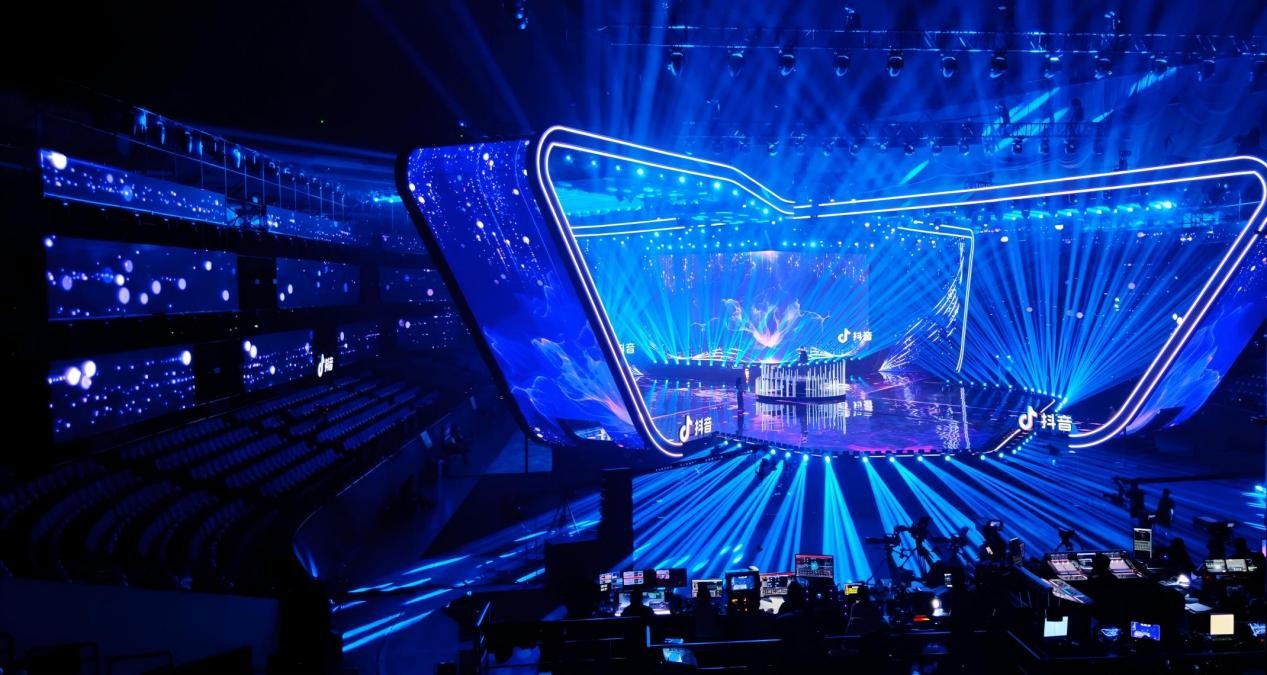
Large urban installations, such as the digital billboards in Times Square and broadcast stages at major sports events, show why interoperability matters: multiple vendors’ modules and processors must behave as one system under live conditions. Use standardized signal paths, document pinouts, and verify LED display control across all nodes before you commit to permanent mounts. That practice prevents last-minute translator boxes and awkward workarounds on site.
Alternatives and vendor comparison without the fluff
Pick vendors who offer clear update policies, accessible diagnostics, and local support. Compare units on these concrete axes: mean time between failures (MTBF) claims with supporting test logs, responsiveness of tech support within your time zone, and modular upgrade paths for future formats. If a vendor’s specs omit routine test parameters, ask for lab results showing long-duration stress cycles and thermal performance at rated ambient temperatures.
Three golden rules for choosing controllers
Measure usability in real shifts: record how long a trained operator takes to set up a show file and recover from a simulated fault. Track thermal margins and ensure the controller performs within test windows. Validate end-to-end timing by locking sources to a common reference and measuring frame alignment under load.
- Usability metric: average setup and recovery time under scripted faults — target under 15 minutes for standard show files.
- Reliability metric: sustained operation at rated ambient for 72 hours without frame drops or forced reboots.
- Timing metric: frame alignment across nodes within one frame at the chosen playback frame rate.
Closing advisory and final thought
Choosing a controller is a practical decision that reduces day-to-day friction for operators and keeps creative choices intact — pick tools that make the team faster, not just flashier. The right controller streamlines maintenance, eases integration with media servers and sensors, and scales predictably as demands grow. For projects that need proven interoperability and clear support pathways, consider solutions that demonstrate those behaviours in real installs, and check how each vendor handles firmware rollbacks and field diagnostics — these are the quiet features that save nights and budgets.
Kystar — a partner that shows its value by simplifying integration and standing behind long-term performance. –