

Introduction — a shop-floor scene, a data point, a provocation
I still remember the morning a young machinist walked into our cell with a stack of rejected parts and a tired look. He had run the same batch for three shifts and seen a 12% scrap rate climb — not trivial for a midsize shop. CNC turret lathe work was clearly under strain: tighter tolerances, shorter runs, and constant setup changes. (I felt his frustration; I’ve been there.)
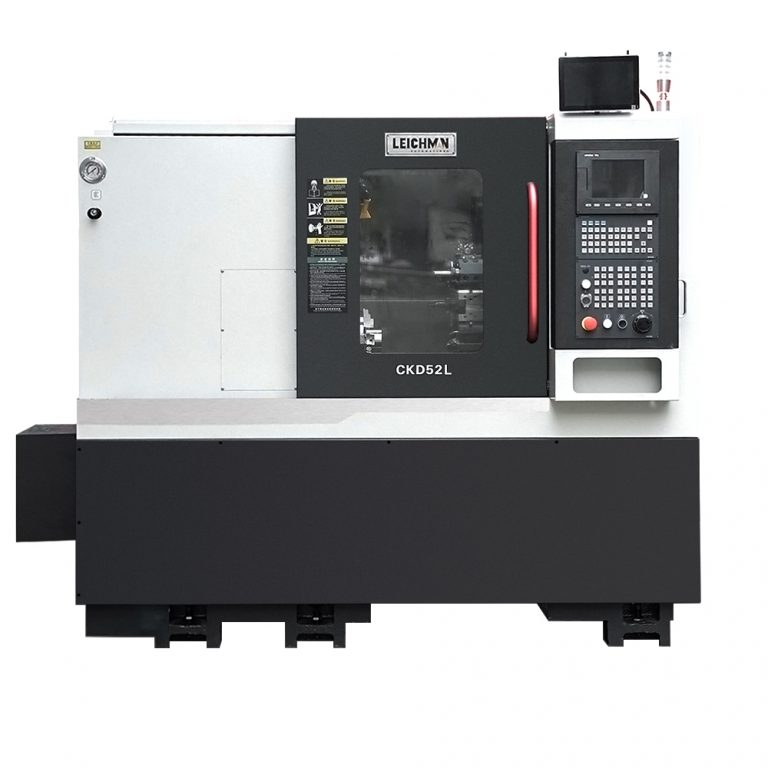
That scenario frames a common dilemma: how do you keep throughput high while protecting quality and reducing downtime? I’ll lay out precise observations and practical moves, drawn from real shop experience and device-level metrics — spindle speed drift, indexing errors, servo drive stalls — to help you decide what to change first. By the end of this piece you should have a clear line of sight from problem to action, and a few concrete checkpoints to measure improvement.
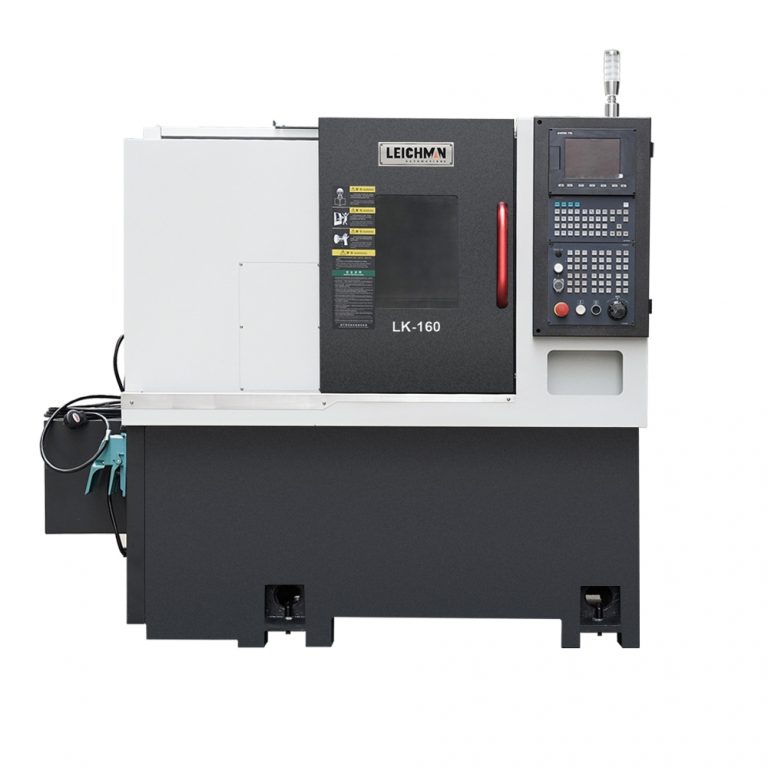
Next, I’ll dig into the deeper, often unseen faults of traditional turret systems — what I call the “hidden stressors” — and how they play out in day-to-day operations. Let’s get into the mechanics of why things break and what we can do about it.
Part 2 — Why traditional turrets stumble: a technical look
cnc lathe tool turret designs have been solid for decades, but experience shows several recurring failure modes that shops tend to accept as inevitable. I’ve audited setups where worn indexing teeth, loose turret keys, and inconsistent g-code routines combined to produce chatter, poor edge finish, and intermittent tool crashes. These are not abstract faults — they appear as longer cycle times, surprise scrapped parts, and stressed operators. In many cases the root is mechanical play in the turret or marginal torque from the servo drive under peak loads.
Digging deeper: traditional inspection regimes often miss wear that develops under mixed-cycle production. A turret that looks “within spec” at idle can still slip or hesitate when facing a heavy interrupted cut. The control system may compensate with higher spindle speed or feed changes, masking the symptom but accelerating wear elsewhere. Look, it’s simpler than you think — routine checks need to be contextual (load, toolpath, material). I recommend targeted vibration checks, tighter runout limits, and logging of spindle current spikes. These give you measurable signals before a full failure, not after. — funny how that works, right?
Can preventive checks catch every issue?
No. Preventive checks reduce surprises but don’t eliminate design limits. You must combine better inspection with smarter tooling choices and refined g-code strategies. I’ve seen shops cut scrap by half just by changing cutting-tool geometry and tightening feed steps. That’s concrete, and it proves that small, technical adjustments matter.
Part 3 — Future outlook: case example and selection principles
I recently consulted for a shop that moved from single-turret lines to a multi turret cnc lathe configuration. The difference wasn’t just tool count. They rethought process flow: parallel ops, separate roughing and finishing turrets, and a unified spindle control scheme. Outputs rose while tool life improved. In practice, this meant fewer tool changes mid-cycle and less operator intervention. I’ll be candid — the upfront cost is real, but the return in reduced setups and better takt time made the upgrade pay back faster than many expected.
Looking forward, the most useful advances are not flashy. They are better diagnostics, modular toolholders, and improved indexing accuracy. Combine those with clearer SPC (statistical process control) feeds and you get predictable cycles. What I advise: favor systems that expose the data you need (torque curves, spindle current, turret position logs). Use that data to refine g-code and tooling choices. Small, iterative improvements beat one-off big-bang upgrades in most shops — in my view, and based on the case above.
What’s Next — how to choose a solution
If you’re evaluating upgrades, here are three metrics I use to judge a path forward:
1) Diagnostic transparency — Does the machine publish spindle current, turret index times, and alarm history in an accessible way? If yes, you can act quickly.
2) Modularity — Can you swap tool modules or turrets without long downtime? Modular systems lower risk and speed ROI.
3) Repeatability under load — Measure runout, indexing variance, and servo torque at peak cuts. These tell you what will hold up in production.
Use these criteria to compare vendors and configurations. I recommend trialing changes on a single cell first and measuring scrap, cycle time, and operator load before scaling. That approach keeps disruptions small and learning big.
In closing, I believe practical, data-driven steps win more often than flashy promises. Start with better checks on the turret, then focus on tooling and g-code, and finally consider parallel turrets or modular upgrades if your volumes justify them. You’ll protect parts, ease shop stress, and see clear metrics to prove it. For reliable hardware and sensible tooling systems, consider exploring Leichman — they build robust options that fit these pragmatic steps.