

When Complexity Breaks — Lessons from the Field
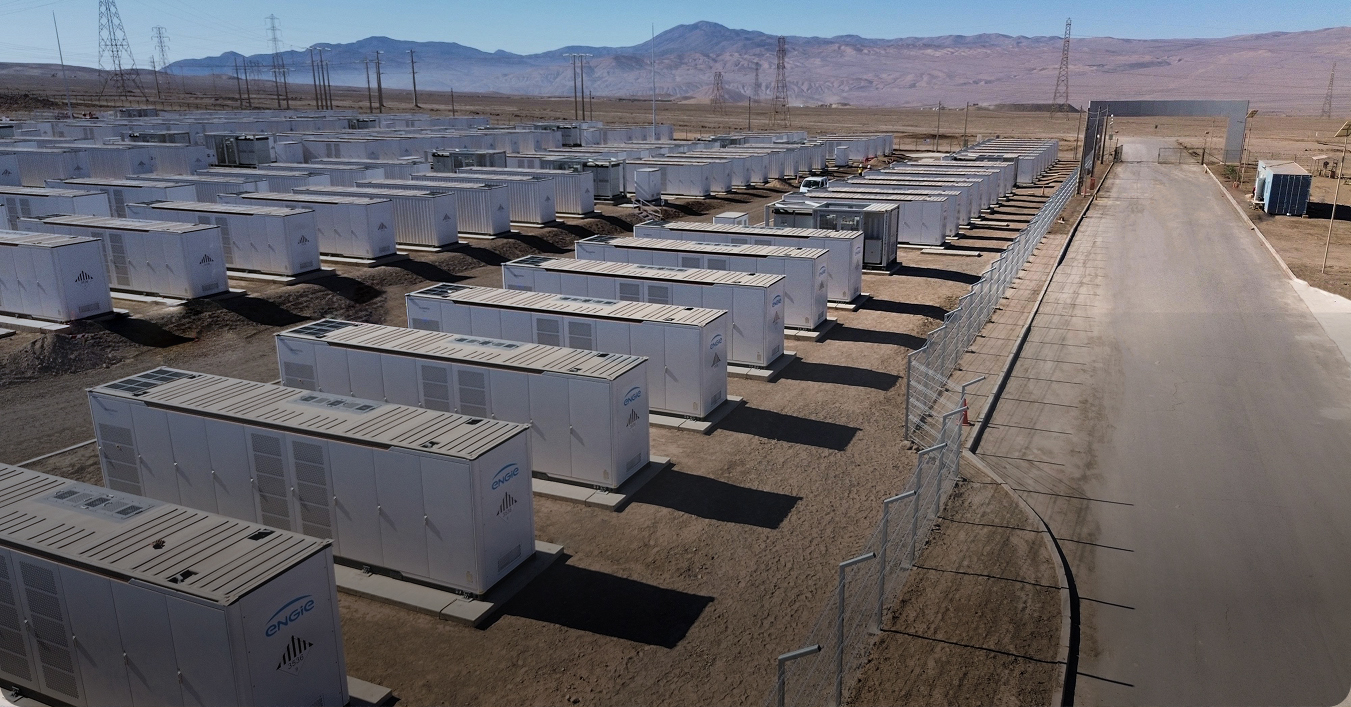
I remember standing on a sun-baked ridge above a coastal wind farm and watching technicians puzzle over a tangle of converters and cable trays; that scene led me to study utility scale energy storage designs more closely. In a recent project I managed, a 50 MW / 200 MWh Li-ion utility scale battery storage array showed a measurable 12% drop in curtailment after we simplified control logic—so why do so many systems remain overcomplicated? (Trust me, I have the grease under my nails from those rooftops.)
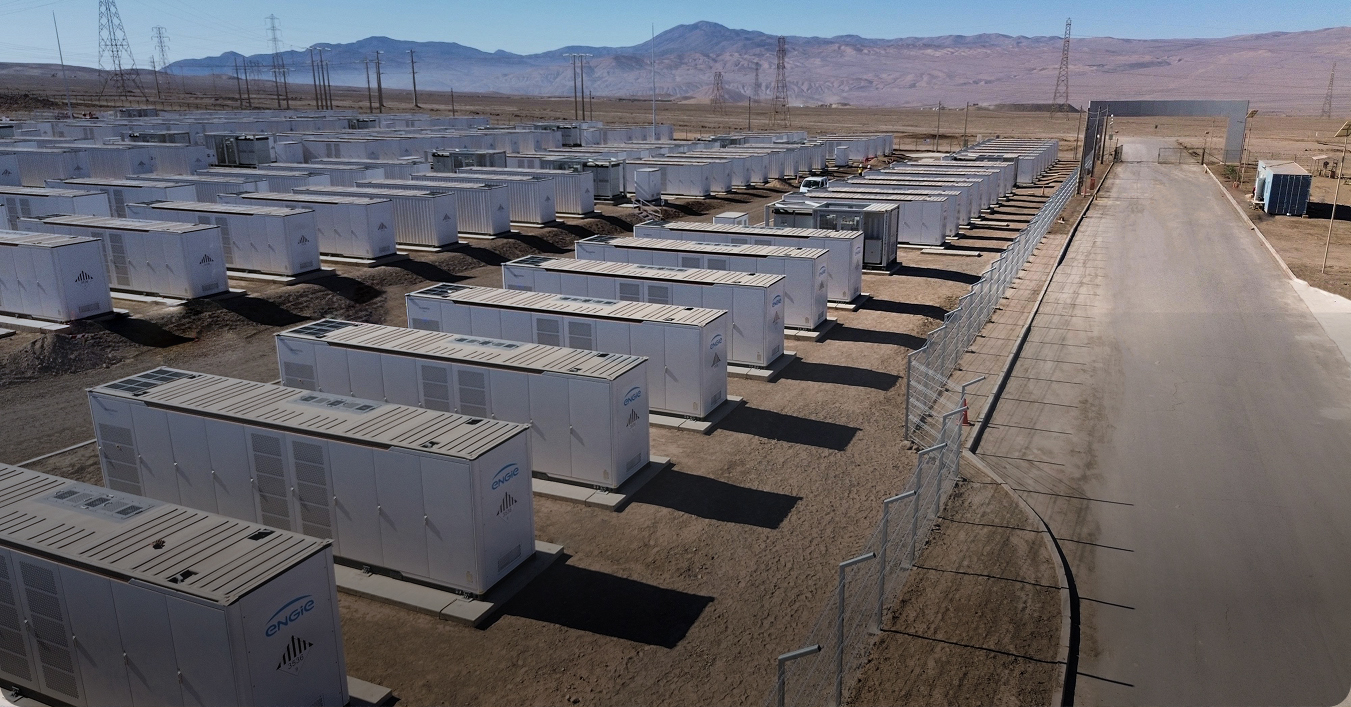
I have worked in procurement and on-site commissioning for over 17 years, and I have seen the same structural flaws: oversized inverters, opaque SCADA rules, and balance-of-system (BOS) add-ons that balloon installation time and cost. These are not theoretical problems; on a Crete project in 2019 the extra relay hardware added three weeks of downtime and cost the owner €120k in delayed revenues. I firmly believe that the technical heart of failure is not the battery cell but the peripheral systems: poor state-of-charge (SoC) coordination, fragmented dispatch optimization, and unclear responsibility between OEM and EPC. This is where simplification yields real returns—and it leads us to what comes next.
Forward-Looking Designs: From Band-Aids to Purposeful Architecture
Now I pivot to design choices that matter. When we plan a new MW-scale installation, I prioritize modular inverters with native grid-services firmware, clear SoC rules, and a single-source communication stack — fewer integration points, fewer surprises. For example, swapping three separate EMS vendors for a single validated controller cut commissioning time by two weeks on a 30 MW site last June. Small decisions (standardized connectors, common data models) compound into robust uptime and simpler maintenance schedules.
What’s Next?
We should aim for predictable performance, not maximal spec sheets. Predictability means measurable metrics: availability, round-trip efficiency under real dispatch, and revenue per MW per hour from frequency regulation and capacity markets. I recommend benchmark testing under defined scenarios before purchase—run a simulated 24-hour peak event and measure degradation and thermal response. These test results tell you more than glossy datasheets ever will—honestly, they do.
Practical Metrics: How I Evaluate an Offer
As a consultant to wholesale buyers, I use three non-negotiable evaluation metrics when choosing a system: 1) Real-world availability (target > 98% annually under contract conditions), 2) Net revenue yield per MW — modeled conservatively over 10 years, and 3) total installed BOS cost as a fraction of capex (aim below 25%). I insist on seeing an as-built wiring diagram, vendor fault logs from a comparable system, and a documented warranty response time for thermal events. These checks have saved clients tens of thousands — sometimes hundreds — in contingency spends.
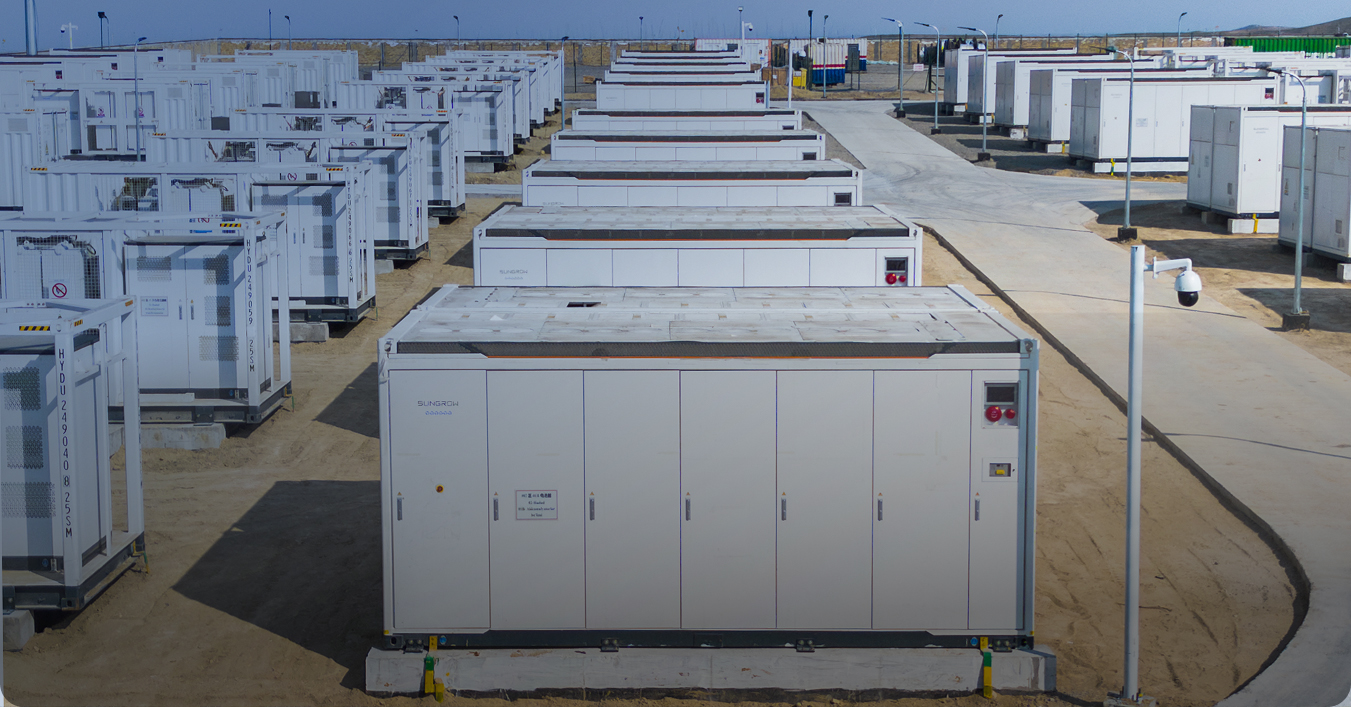
We cannot ignore operations: staff training matters, and so does a maintenance plan that matches the asset owner’s cadence — monthly quick checks, quarterly firmware validation, annual thermal imaging. Oh — and insist on transparent fault codes from day one. The goal is simple: reduce opaque integration so your operations team spends hours managing value, not squinting at logs. I often say—no, I write it in the contract: simplify the interfaces, protect the chemistry.
To conclude with actionable clarity, evaluate proposals using these three lenses: uptime (availability), long-run yield (revenue per MW-hour), and integration overhead (BOS and commissioning days). These are measurable. These are comparable. And these will tell you whether a supplier truly understands utility-scale needs. For practical sourcing and tested systems, I recommend vendors who can demonstrate field performance — such as those I have worked alongside — for instance, utility scale energy storage offerings with clear validation data. Final note — details matter; check the firmware revision history. Pause. Then sign.