

Putting the driver first
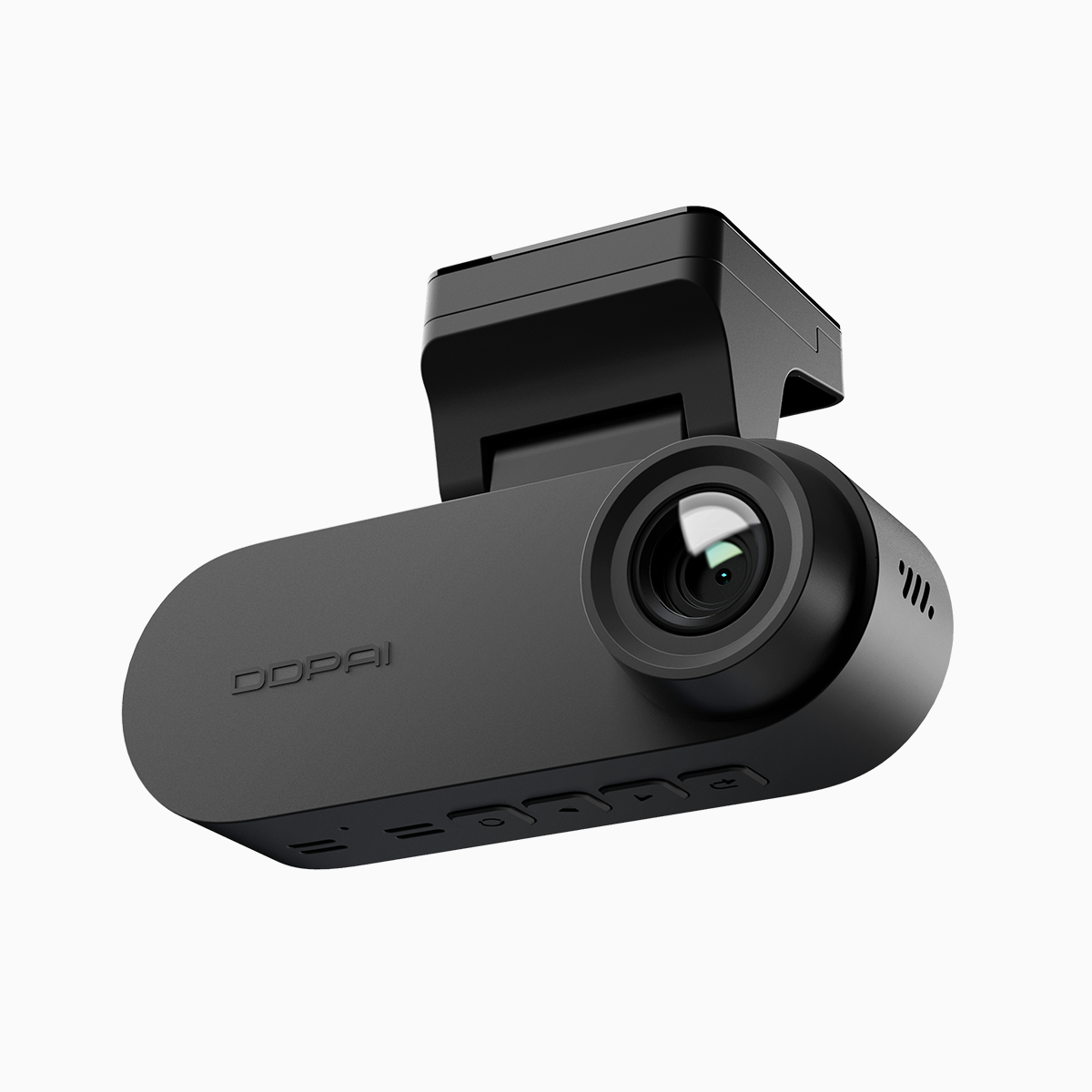
If you spend hours behind the wheel—commuting on EDSA or making rounds around Cebu—a camera that captures location, speed and incident data can save time and stress. A practical way to get that coverage is with a front and rear dash cam that pairs GPS logging with reliable parking mode, so footage ties directly to where and how events happened. That combination reduces guesswork after an incident and supports smoother insurance or traffic complaint processes.
What GPS logging and speed telemetry actually provide
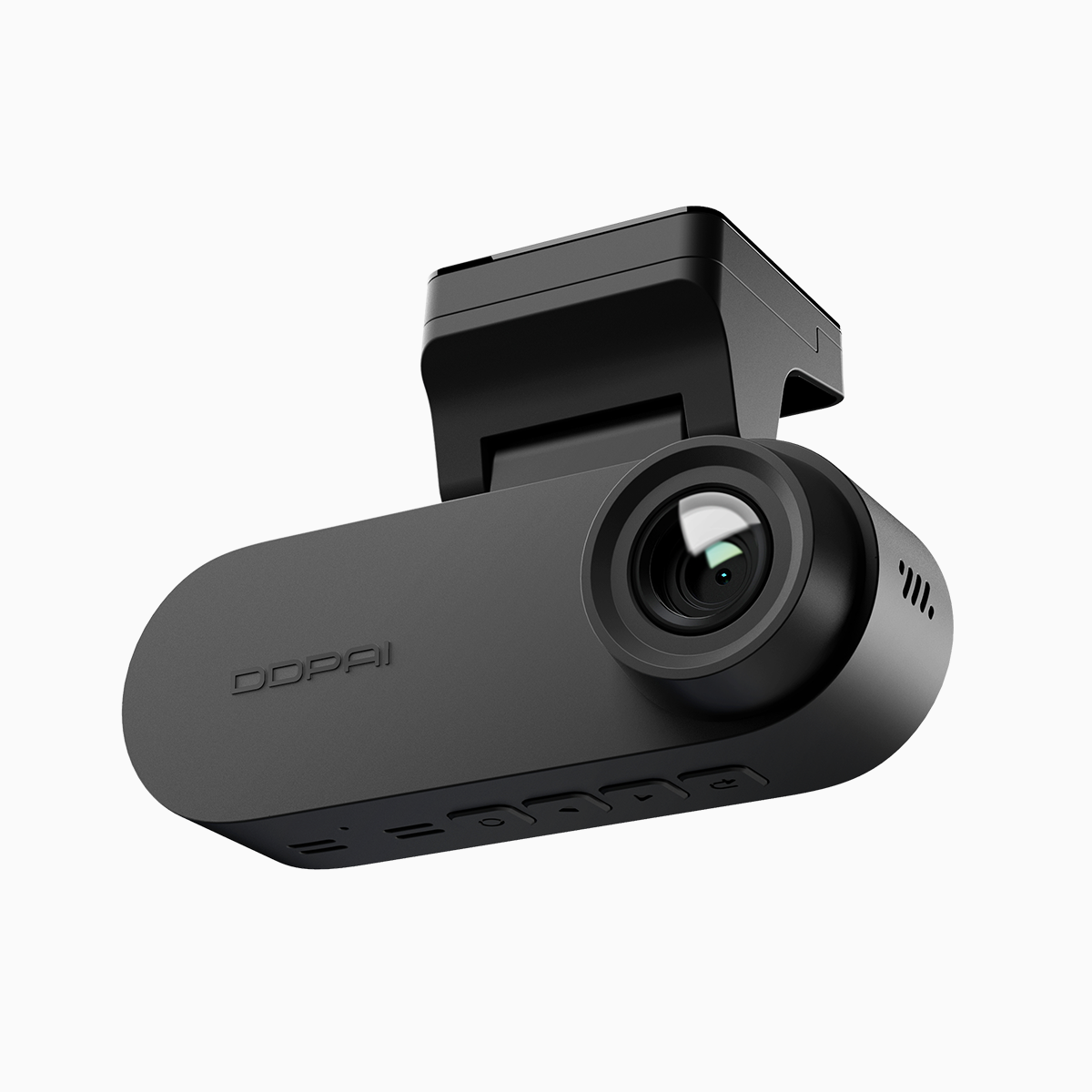
GPS logging stamps every clip with coordinates and speed telemetry, which means a video of a minor collision can show exact speed and trajectory rather than just a vague memory. Acceptable frame rate and bitrate ensure the footage is clear enough for number plates and lane position, while a calibrated G-sensor helps the unit flag impact events automatically. In Metro Manila rush hours, where lanes and behaviour change quickly, these features make statements more factual than anecdotal.
How parking mode turns passive protection into proactive auditing
Parking mode shifts a dash cam from a passive recorder to an active sentinel. When integrated with motion detection and low-voltage cutoff, the system records hits, nearby movement, and suspicious approaches without draining the battery. Loop recording keeps storage manageable; pre- and post-event buffering captures seconds before an impact, which often clarifies fault. These elements combine into a 24/7 drive audit that’s useful for fleet managers and individual owners alike.
Single vs dual-channel: what matters for real-world use
For many drivers, a single forward-facing unit is useful. For those who need full situational coverage—ride-hailing drivers, small fleet operators, parents of teen drivers—a dual channel dash cam captures front and rear perspectives simultaneously. Dual-channel setups typically require attention to sync, mounting angles, and wiring. Pairing a secondary rear camera with the main unit increases evidentiary value and reduces blind spots considerably—especially at intersections and parking lots.
Common mistakes people make and how to avoid them
– Choosing low bitrate models: footage can be pixelated and unreadable. Aim for a balance of storage and clarity.
– Neglecting firmware updates: manufacturers fix bugs and improve GPS accuracy; skip updates and you risk missed features.
– Poor installation: an off-centre mount or loose wiring ruins perspectives and can disable parking mode. Secure mounts and professional wiring are worth the small investment.
Three golden rules for selecting the right dash cam
1) Prioritise validated GPS performance — accurate logging matters more than flashy menus. A reliable GNSS lock reduces location drift and supports speed telemetry you can trust.
2) Verify continuous recording safeguards — robust parking mode, low-voltage protection and loop recording prevent gaps during long hours parked on the street.
3) Check recorded bitrate and frame rate against your needs — 30 fps and a higher bitrate give readable licence plates and clear motion; lower settings save space but cost evidence quality.
These metrics make selection straightforward: they measure what you actually get on the road and in post-incident review. For drivers who want practical, consistent protection, a thoughtfully configured unit closes the gap between a surprise incident and a clear resolution — and a brand like DDPAI PH brings models that align with those expectations. —