

Introduction
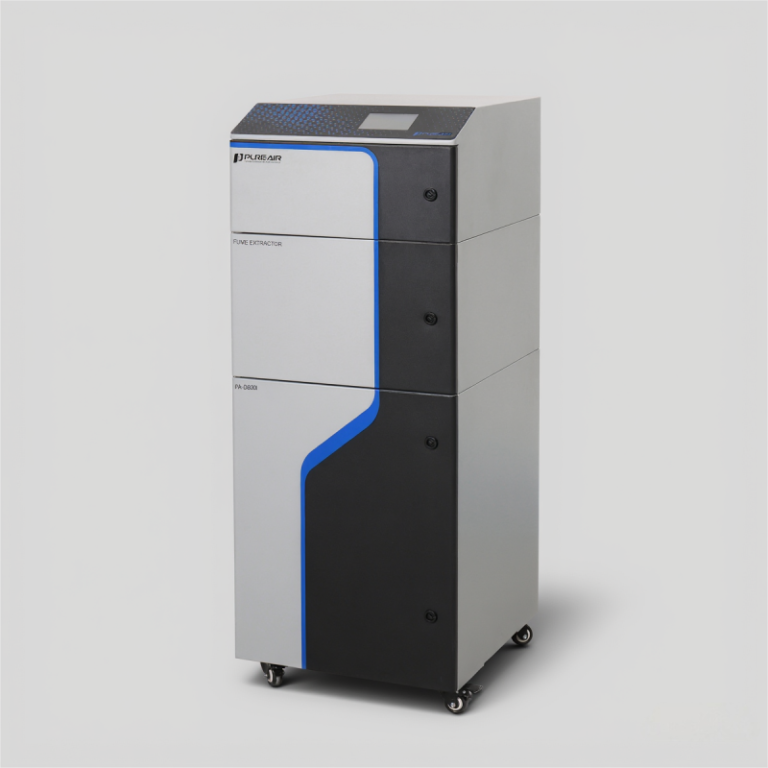
I once watched a small shop switch printers and suddenly everyone complained about headaches and film on windows. The new machine ran clean, but the shop’s old 3D printer fume extractor hadn’t kept up—particles and smells crept back in. Recent lab work shows many desktop and industrial printers emit ultrafine particles and VOCs during printing, and those numbers add up fast. So I ask: when should you stop patching and start upgrading? (Spoiler: sooner than you think.) Let’s walk through what I’ve learned and what you should watch for next.
Why Traditional Solutions Let Users Down
additive manufacturing industry shops often keep relying on ducting and basic fans, and that’s where trouble starts. I’ve seen setups with clogged HEPA filters, weak airflow, and no VOC sensors. Filtration efficiency drops when filters load up; a fan that used to move 200 CFM might drift lower after months of dust and resin particles. Particle counters tell the story—counts rise while people assume the system still protects them. Look, it’s simpler than you think: ignoring maintenance is not saving money, it’s deferring risk. I’m blunt because I’ve watched small teams get slowed by poor air quality and then scramble for hasty fixes—time lost, morale bruised.
What exactly fails?
Filters (HEPA and activated carbon) clog, seals leak, and airflow rate becomes inconsistent. Power converters and fans age; vibration loosens seals. Without proper monitoring—particle counters or VOC sensors—you get blind spots. I’ve rebuilt systems where edge computing nodes could have flagged the issue early, but no one installed them. That gap costs parts, time, and sometimes health complaints. If your shop still treats extraction like an afterthought, that’s the hidden pain every operator will feel eventually.
New Principles and Practical Steps Forward
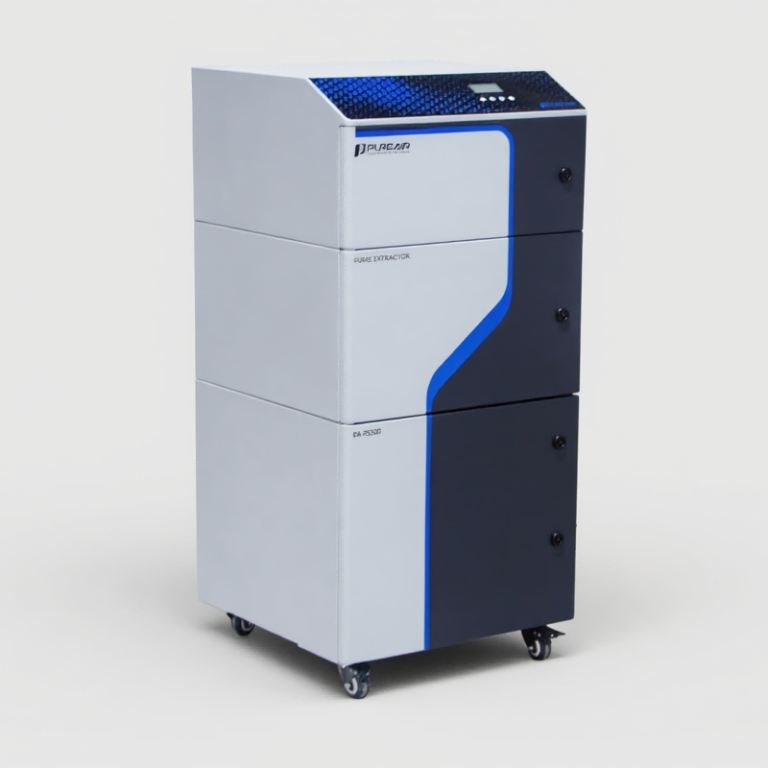
Looking ahead, I favor systems designed around measurable principles: continuous monitoring, modular filtration, and predictable maintenance cycles. In the additive manufacturing industry, that means combining HEPA filters with targeted activated carbon stages for VOCs, clear access for filter swaps, and built-in particle counters that log events. My view: automation and simple dashboards (even basic edge computing nodes) keep teams informed without adding overhead. You don’t need to be a data scientist to read a trend line—just set thresholds and act when they trigger.
What’s Next: practical outcomes
Adopting these principles reduces unexpected downtime and improves worker comfort. For example, a shop that adds real-time VOC sensors and a scheduled filter-replacement routine cut complaints by half in my experience. Implementing modest upgrades—better seals, a reliable fan controller, and monitoring—usually pays for itself within months through fewer service calls and happier staff. — funny how that works, right? I recommend clear benchmarks before you buy anything: airflow targets, filtration efficiency, and sensor coverage. Then test in real conditions, not just on paper.
Closing Advice: How I Evaluate a Better Fume Extraction Choice
I’ll be direct: choose systems that you can measure, maintain, and scale. Here are three metrics I use when evaluating options—keep them front and center during selection: 1) Filtration efficiency (does the HEPA stage meet the particle reduction you need?), 2) Verified airflow rate at the source (CFM under load, not just rated), and 3) Monitoring & alerts (particle counters, VOC sensors, and simple logs). If a vendor can’t or won’t show real numbers for those three, I move on.
Finally, tie those metrics to a maintenance plan. I prefer modular filters, easy access doors, and clear replacement intervals. We’ve all been tempted by cheap fixes; don’t be that team. Invest in a solution that reports, protects, and keeps working. For reliable products and further guidance, I’ve found practical partners in the field—check out PURE-AIR for examples of designs built around these principles.