

The problem that begins at purchase
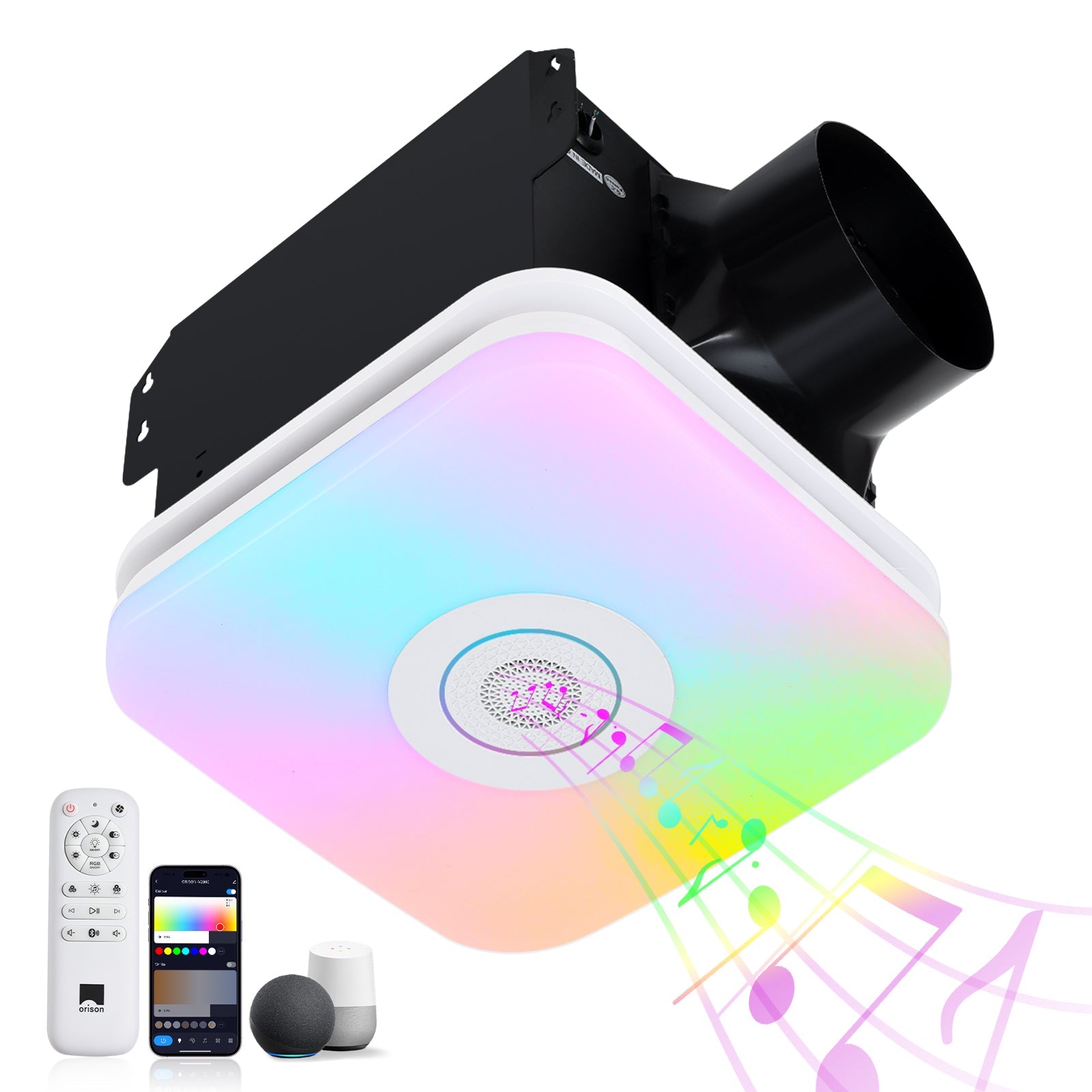
When a proprietor first opts for the cheapest portable ventilation hood, the decision often appears sensible: lower capital outlay, swift acquisition, and an immediate remedy to stale air. Yet such economy frequently conceals recurring costs—inefficiencies in airflow, premature motor failure, and inadequate noise control—that accumulate far beyond the original ticket price. In commercial and domestic installations alike, a modest up-front saving may transmogrify into repeated replacements and protracted downtime. This was made starkly apparent during the 2020–2021 ventilation push driven by ASHRAE and public-health guidance: many facilities discovered that standard units could not deliver the recommended air changes per hour, prompting retrofit campaigns. For those seeking a practical upgrade, consider a quality bathroom exhaust fan or an exhaust fan with remote control as models of how better engineering repays itself over time.
The concealed expense categories
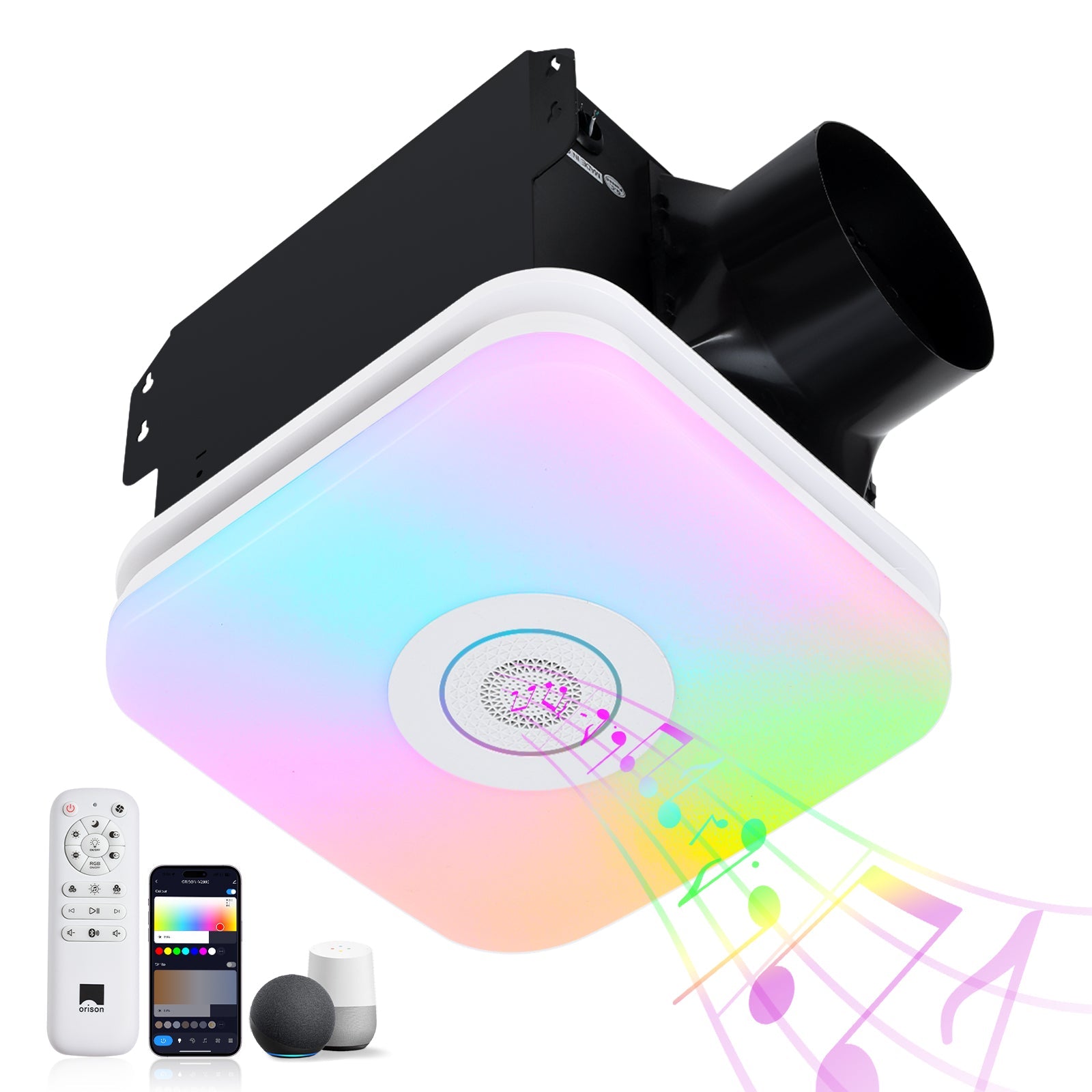
Cheap hoods exact tolls across several vectors. First, performance shortfalls: low-grade units commonly advertise CFM figures that fall apart when coupled to real-world ductwork or under elevated static pressure. Second, operational cost: inefficient motors draw more current and heat, accelerating wear. Third, maintenance and replacement: inferior bearings and impellers demand frequent servicing or total motor swaps. Finally, user experience: excessive noise (measured in sones) and poor airflow distribution harm occupant satisfaction and may increase complaints or lost productivity. Each of these elements bears a measurable expense, whether in utility bills, labor, or brand reputation.
How premium portable ventilation hoods reduce lifetime cost
A well-engineered portable hood mitigates the aforementioned liabilities through several means. Quality units employ motors matched to application, delivering rated CFM under realistic static pressure; balanced impellers and sound-dampening enclosures reduce sones; and modular electrical systems permit straightforward parts replacement. Thus the differential is not merely product quality but total cost of ownership: fewer service calls, longer mean time between failures, and steadier compliance with ventilation standards. In institutional settings, this has translated into fewer emergency purchases during outbreak responses — a tangible saving in both expense and risk.
Practical installation and operational considerations
Selection of a premium hood should be governed by situational constraints and measurable metrics. Verify rated CFM at expected static pressure rather than free-air figures. Confirm motor efficiency class and whether thermal protection is provided. Inspect the proposed mounting and duct connections for leakage risk; even a minor gap will erode designed performance. Where remote operation is beneficial, ensure the control scheme supports timed runs, variable speed, and lockout to avoid inappropriate operation—functions commonly found on higher-tier models. Remember that a correct installation often saves more than the marginal premium for a superior unit—this is a repeatable lesson for facility managers.
Common mistakes and how to avoid them
Facilities and homeowners still make avoidable errors: purchasing solely on label CFM, underestimating duct routing losses, and neglecting acoustic criteria for occupied spaces. A frequent misstep is the belief that smaller fans suffice when duct lengths are extended; they do not. Test with anemometry and use manufacturer performance curves to size units accurately. —Another misjudgment is deferring to lowest cost for replacement motors without confirming shaft alignment or bearing tolerances, which often shortens service life.
Comparative analysis: cheap unit versus premium hood
Consider a comparative snapshot over five years: the bargain hood may save 30–40% on initial purchase, yet incur higher electricity draw, two to three maintenance events, and possibly an early replacement—costs that close or exceed the gap. Conversely, a premium portable hood, though costlier at acquisition, typically requires less upkeep, consumes energy more efficiently, and maintains consistent airflow—thus reducing the effective cost per delivered cubic foot of air. When quantified against standards such as those articulated by ASHRAE during the pandemic, the premium route commonly proves superior in both compliance and fiscal prudence.
When a premium hood is not necessary
There exist circumstances where a top-tier portable unit is excessive: brief, infrequent usage in non-occupied utility spaces; highly budget-constrained projects with planned short lifespans; or extremely low-ventilation-demand settings where natural ventilation suffices. Even then, one must weigh the risk of unexpected use-cases—what begins as utility ventilation may later serve occupied space during renovation, for example—so the conservative approach favors modest overspecification rather than undersizing.
Three golden rules for prudent selection
1) Measure and match: size by required CFM at anticipated static pressure, not by free-air claims. 2) Specify durability: prefer motors with thermal protection and replaceable modules; confirm service parts availability. 3) Demand holistic metrics: require published sones, energy consumption, and warranty terms so that total cost of ownership can be modeled accurately.
Adopt these metrics and one shall avoid the recurrent costs that attend false economy. The value thus introduced—reliable ventilation, lower lifecycle expense, and peace of mind—aligns precisely with what modern manufacturers like Orison deliver in their range of portable and fixed solutions. Orison. — final thought: invest wisely; the ledger will show the truth.