

A Gentle Start: Why This Choice Matters
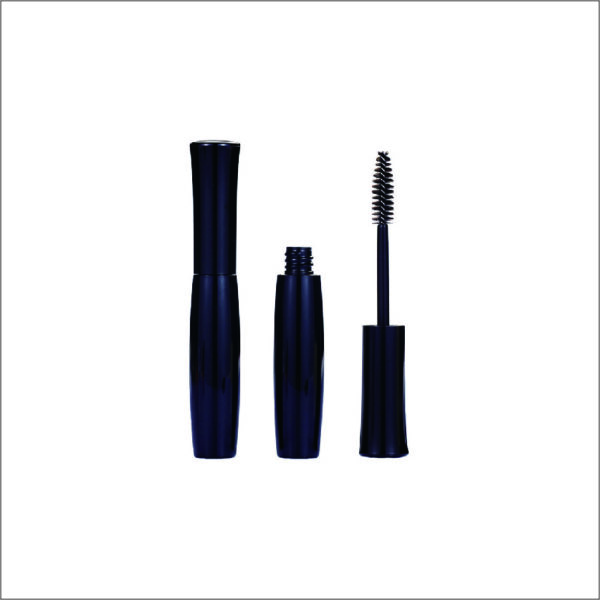
Last launch cycle, you and your ops lead stared at a spreadsheet, wondering if a delayed component might stall the whole drop (we’ve all been there). The debate was about empty mascara tubes wholesale, and the clock kept ticking as the cart counts climbed. A quick search for mascara tubes wholesale shows pages of suppliers, yet the data points are slippery: defect rates between 1–3%, MOQ from 5,000 to 30,000 units, and lead times that swell the minute you add hot stamping. So here’s the nurturing truth: a small material mismatch or a loose wiper can turn a clean fill into a leaker—funny how that works, right?
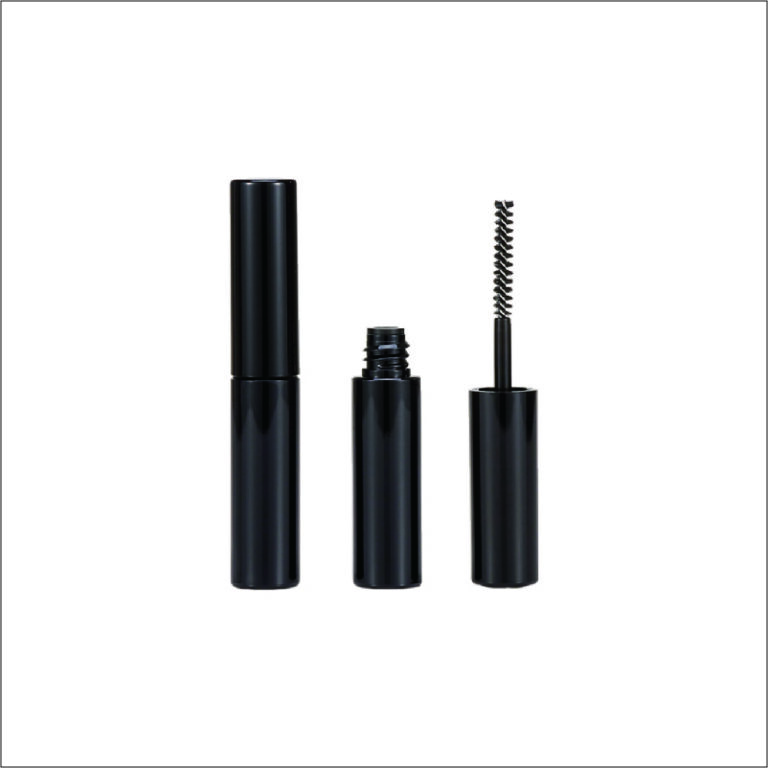
Now imagine the scenario: your warehouse is ready, your filling line is scheduled, but incoming tubes miss cap torque specs by a hair. You’re juggling injection molding tolerance, PP vs. PETG choices, and whether the wiper orifice will play nicely with your brush. Yet the bigger question hangs in the air: how do you choose a source that holds up under real QC, not just glossy photos? Let’s walk through it carefully, and compare what actually drives risk down and margins up—step by steady step.
The Hidden Flaws in the Traditional Buy
What’s breaking in the old playbook?
When teams approach mascara tubes wholesale with a “lowest unit cost wins” mindset, they often miss the compound costs. Classic RFQ sheets focus on price, color, and capacity, but skip how the wiper orifice behaves with your formula viscosity or how the stem flex affects pickup. Traditional vetting rarely stresses leak test protocols, batch-to-batch variance, or cap torque windows. That gap shows up later as returns, rework, and overtime. Look, it’s simpler than you think: align upstream specs with downstream realities. Ask about resin grade (PP, ABS, or PETG), injection molding gate placement, and whether the supplier validates air-tightness under thermal cycling. These aren’t extras; they protect the fill and the brand.
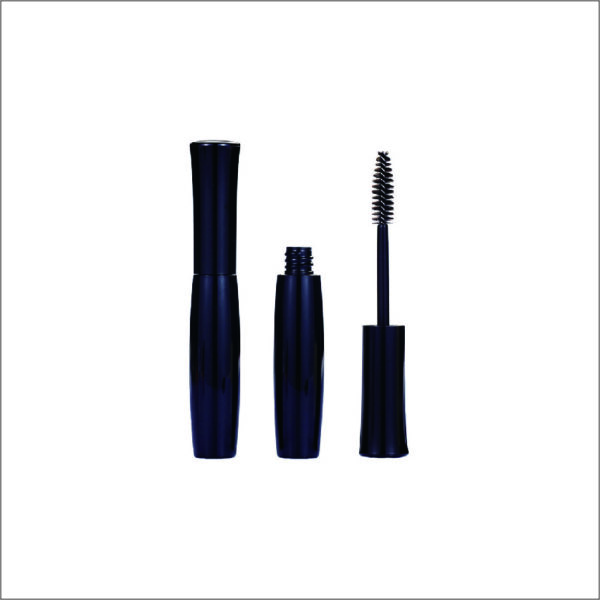
Another flaw: artwork assumptions. Teams place orders assuming “hot stamping is hot stamping,” yet foil adhesion on soft-touch coatings behaves differently than on standard varnish. The silk screen can ghost on curved barrels if the anilox selection is off, and a tiny misread can slow your line. Traditional buys also underweight MOQ pressure—when a supplier only stabilizes quality at 20,000 units, they may pad smaller runs with mixed cavities. That increases the chance of shade drift or wall-thickness variance. Add lead time slippage, and you’ve got stranded cash plus spike labor. A better path ties QC checkpoints (AQL, pull tests), incoming inspection, and pre-ship verification to the exact brush, stem, and wiper combination you plan to fill—before you lock the slot.
Comparative Outlook: Smarter Sourcing, Fewer Headaches
What’s Next
Let’s compare two paths. Brand A sourced on unit price alone; Brand B compared suppliers by process control and design-for-fill. Brand A met MOQ, but discovered post-fill weeping because the wiper orifice wasn’t tuned to their thinner formula. Cost ballooned with rework, and the launch slipped. Brand B worked with a seasoned mascara tube manufacturer to run pre-tool samples, verify cap torque targets, and test compatibility across brush diameters. Same market, same launch week—different outcomes. The lesson is not hype; it’s method. Map material choice to formula rheology, validate under temperature swings, and insist on cavity-level traceability. Small checks, big stability.
Looking ahead, the wins come from tighter feedback loops—supplier process data feeding your inbound QC, and your line metrics informing the next run. Expect more standardized leak test rigs, automated vision checks on barrel ovality, and faster color drawdowns aligned with Pantone tolerances. Semi-formal, yes, but practical: specify wiper durometer early, align stem length to your brush seat, and document torque windows. Then ask for a pilot run with final decoration (foil, silk screen, or UV). That extra week prevents three weeks of firefighting—worth it. To land the choice with confidence, weigh three simple metrics: 1) Process capability scores for critical dimensions (wiper ID, neck finish); 2) Validation evidence for your exact fill—viscosity, brush, and stem; 3) Proven lead-time performance under load, not just brochure timelines. Keep those on your desk, and your next buy will feel calm, not chaotic—because calm is a process, not an accident. For more context without the noise, see NAVI Packaging.