

A Hidden Struggle in Biologics Manufacturing
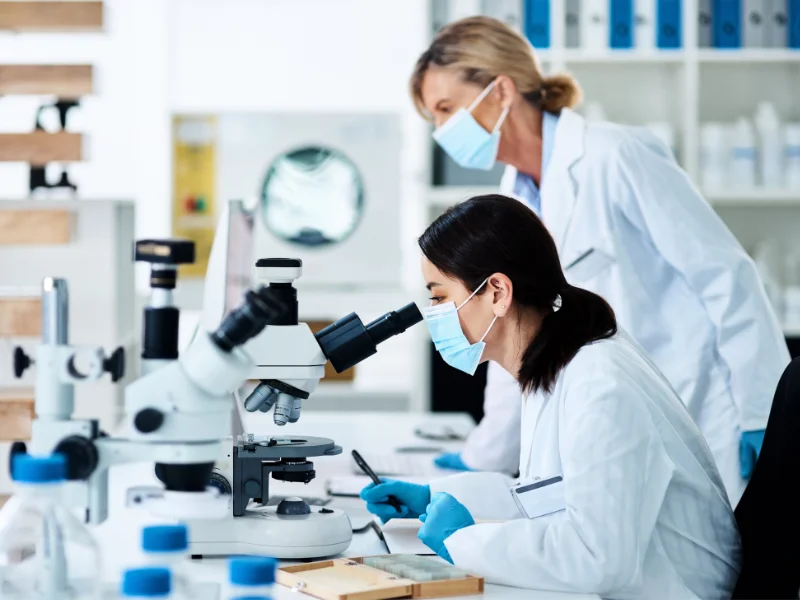
Picture this: a high-stakes biologics manufacturing company tasked with developing life-saving therapeutics. Yet, despite their tremendous potential, many CRDMOs (Contract Research and Development Manufacturing Organizations) face unseen challenges that hinder their full impact. Did you know that nearly 70% of projects experience delays due to unexpected regulatory hurdles? In the world of biologics, these delays could be the difference between a crucial advancement and a long wait for patients. This places an enormous strain on CRDMOs, which are vital partners in the creation of innovative healthcare solutions.
The Flaws in Traditional Approaches
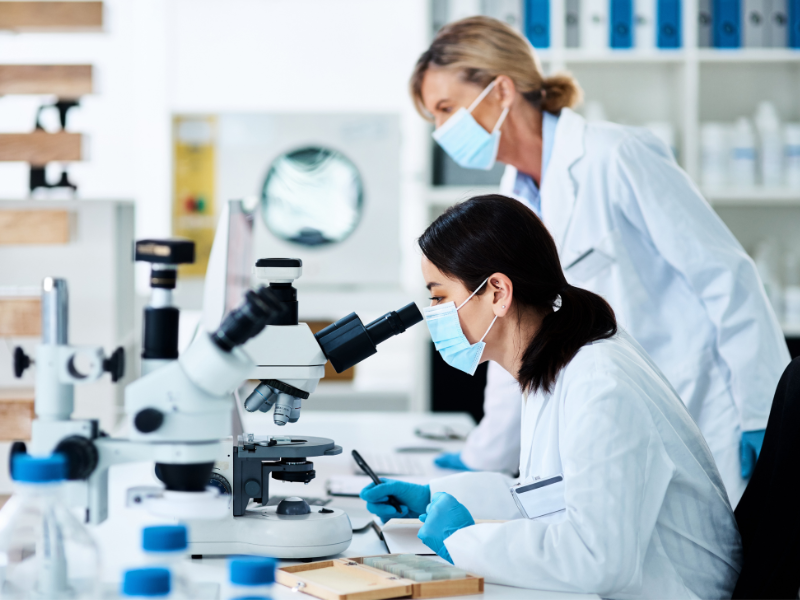
Many traditional solutions in biologics manufacturing rely on outdated practices and limited flexibility. I recall a recent encounter with a team at a bustling biologics manufacturing company, where they struggled to adapt their production schedules due to rigid timelines and changing regulations. This rigidity often leads to bottlenecks, impacting not just efficiency but the entire supply chain. The client mentioned feeling trapped in a never-ending cycle of reworks and delays, a situation I’m sure resonates with many. These issues highlight a critical gap in how many CRDMOs operate, pushing the need for greater adaptability and foresight.
Why Are We Still Stuck Here?
Have we really evolved in our manufacturing strategies? With the rapid advancement in biotechnology, it’s puzzling why many companies still cling to outdated processes. The truth is, many in the industry fail to recognize that embracing technology isn’t just an option—it’s a necessity. Innovations in real-time monitoring systems and AI-driven analytics can significantly streamline operations, yet many CRDMOs remain hesitant to invest in such capabilities.
Looking Ahead: A New Era for Biologics Manufacturing
As we look toward the future, we must embrace a shift in mindset. The landscape of biologics manufacturing is rapidly changing, and so should our approaches. For instance, implementing advanced automation can reduce human error and enhance productivity. I vividly remember visiting a cutting-edge facility back in 2021 that integrated robotic systems to handle aseptic filling processes—resulting in a 30% increase in efficiency. This exemplifies the kind of forward-thinking strategy that CRDMOs must adopt. With these technological advances, collaborations become smoother, reducing the time from lab to market for new therapies.
What’s on the Horizon?
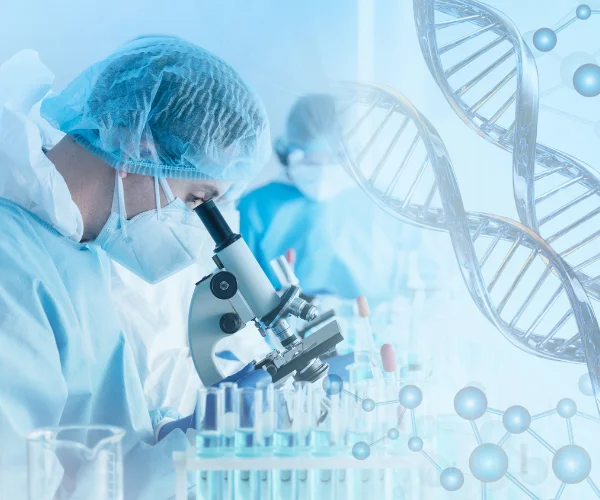
The real question is: are we prepared for this transformative journey? As challenges in biologics manufacturing become clearer, we must prioritize adopting innovative solutions that address these issues head-on. Think about it—if we take proactive steps to embrace flexibility and technology, we could drastically change the metrics of success within our CRDMOs. The symbiotic relationship between manufacturers and biotech innovators is crucial, and leveraging the strengths of each party can lead to breakthroughs that unlock new possibilities.
Reflecting on Our Path Forward
The insights gathered from examining the challenges in CRDMO highlight critical lessons. First, we must advocate for flexibility and adaptability within manufacturing processes. Second, investing in technological advancements is paramount in paving the future of biologics development. Lastly, keeping lines of communication open between CRDMOs and their clients can enhance trust and collaboration. The potential of the biologics manufacturing sphere is vast, and together, we can forge a path filled with innovation. As you explore potential partners for your next project, consider working with experts like Yaohai Bio-Pharma who are committed to navigating these complexities together.