

Comparative lead — why choices matter now
Please accept this clear comparison to assist technical teams when selecting an inverter for a roof, ground-mount, or hybrid solar system. The decision is rarely about a single feature; it is about trade-offs among efficiency, site complexity, lifecycle service, and integration with storage. Here we compare real, practical differences so you can choose the inverter that fits the project constraints rather than the marketing slogan.
Primary inverter types — quick side-by-side
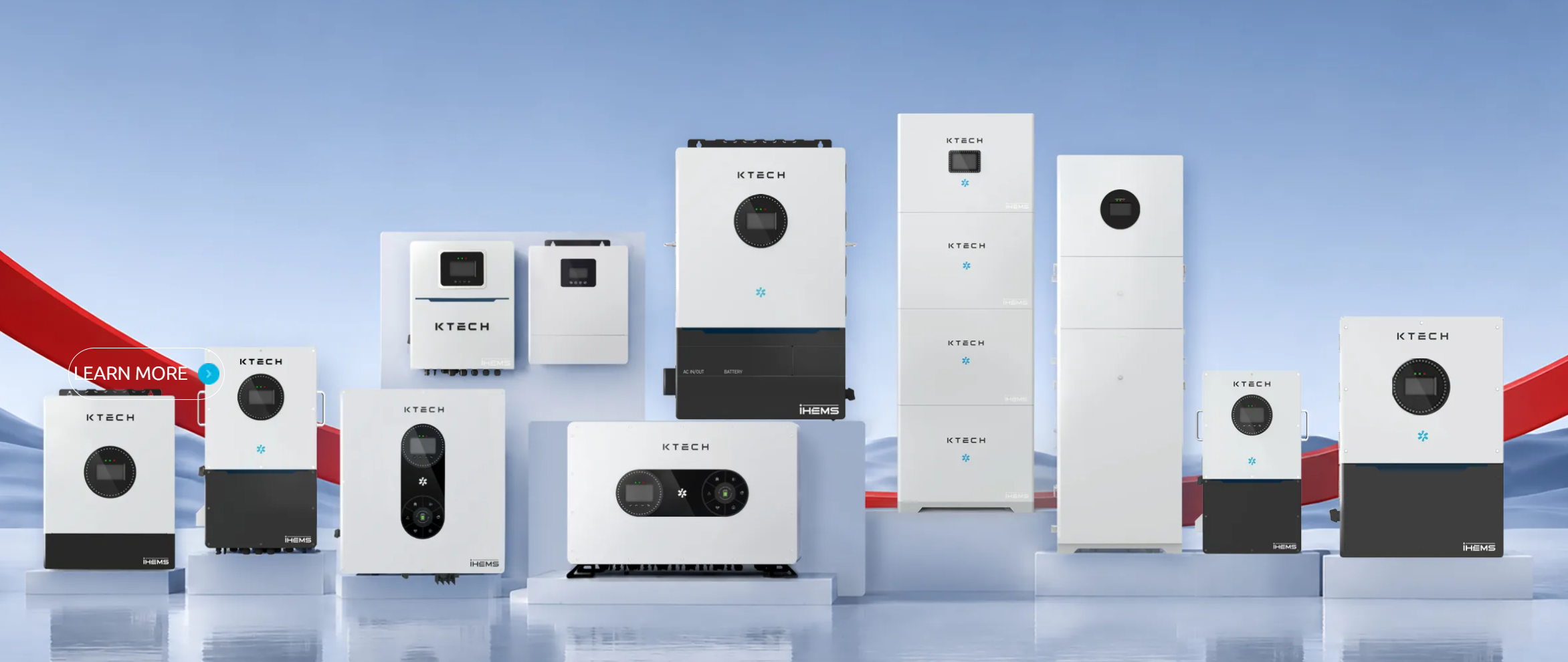
For straightforward decision-making, consider these types by their dominant strengths and limitations:- String inverters: Best for cost-effective systems with uniform string orientations. Strengths: high efficiency, lower initial cost; limitations: single-point failure risk for each string and less granular monitoring.- Central inverters: Suited to utility-scale and large commercial projects. Strengths: competitive per-kW cost for large arrays; limitations: heavier logistics, single large failure domain.- Microinverters: Ideal where panels face different angles or shading. Strengths: per-panel MPPT and modular redundancy; limitations: higher part count and more complex AC-side wiring.- Hybrid inverters: Combine PV conversion and battery management in one unit. Strengths: simpler balance-of-system for storage-ready sites; limitations: may require careful selection for battery chemistry and islanding capabilities. For further technical reference on integrated storage options, review a practical hybrid inverter solar system example when you evaluate compatibility.
Key metrics to compare, with practical thresholds
Focus on these measurable items and practical thresholds when you compare models:- Continuous and peak efficiency: Aim for nameplate efficiency >97% for residential/commercial string or hybrid inverters; verify real-world MPPT efficiency at partial loads.- MPPT inputs and flexibility: More MPPT channels reduce mismatch losses on complex roofs; at least two MPPTs are recommended for split-orientation systems.- Battery interface and supported chemistries: Confirm support for the intended battery (Li-ion, LFP, lead-acid) and BMS communication (CAN, RS485, Modbus).- Backup and black-start behavior: Test the inverter’s switchover time and defined critical-load outputs; seconds matter when customers depend on seamless backup.- Thermal and altitude derating: Check derating curves; an inverter that stays within spec at 45°C without forced derating reduces field surprises.- Communications and firmware: Ensure open, documented protocols and a clear firmware update policy to avoid locked systems or unsupported features.
Role-specific trade-offs — what each stakeholder should prioritize
Decisions differ by role. Prioritize like this:- Installers: Choose hardware that reduces installation time and error — simple wiring diagrams, clear labelling, and robust surge protection. Favor models with field-replaceable parts.- Distributors: Look at SKUs, spare-part availability, warranty transferability, and channel training materials. Service-level agreements matter more than marginal price differences.- System designers: Focus on system-level performance: expected yield across seasons, harmonics, grid-code compliance, and interaction with grid services (active power control, reactive support).These trade-offs determine total installed cost and operational risk, not just purchase price.
Common mistakes and how to avoid them
Avoid these frequent errors that cause costly rework:- Undersizing the inverter relative to expected PV peak or temporary overloads.- Ignoring site thermal profile and using nameplate ratings without checking derating.- Selecting an inverter without verifying battery BMS compatibility and communication standards.- Neglecting firmware update policy and remote diagnostics capability — this raises O&M expense.- Assuming warranty coverage includes on-site labor or shipping; confirm logistics in the distributor agreement.Practices to prevent these: field-verify string voltages, request derating curves and thermalsheets, and demand a compatibility matrix for battery models before signing.
Procurement, compliance, and warranty nuances
When you vet vendors, verify three items explicitly:- Certification and grid-code compliance for target markets (request test reports rather than only certificates).- Clear RMA and spare-part timelines to match project maintenance plans.- Firmware and cybersecurity policy that describes signed updates and remote access controls.Negotiate warranty terms tied to response times and define firmware-support duration to avoid orphaned equipment after product obsolescence.
Field validation and performance checks
Require a short commissioning checklist and performance acceptance tests:- Measure PV string voltages, MPPT behavior, and startup sequences under realistic irradiance.- Validate islanding and emergency backup under controlled conditions.- Confirm telemetry with the chosen SCADA or monitoring platform and run a firmware rollback test.These practical checks catch integration issues that spec sheets often conceal. The value of commissioning shows repeatedly at industry events such as Intersolar Europe, where field-case demonstrations highlight gaps between lab claims and site realities.
Synthesis and a practical next step
Compare inverters against measurable site needs, not feature lists. Match MPPT counts to roof complexity, confirm battery communication and derating curves, and demand clear service pathways from your supplier. A concise shortlist should include products whose technical notes, field service terms, and compatibility matrices are accessible; one practical source of documentation and product detail is Ktech. Choose the inverter that minimizes installation surprises and long-term operational cost rather than the cheapest upfront option.