

Problem: inconsistent heat, emissions, downtime
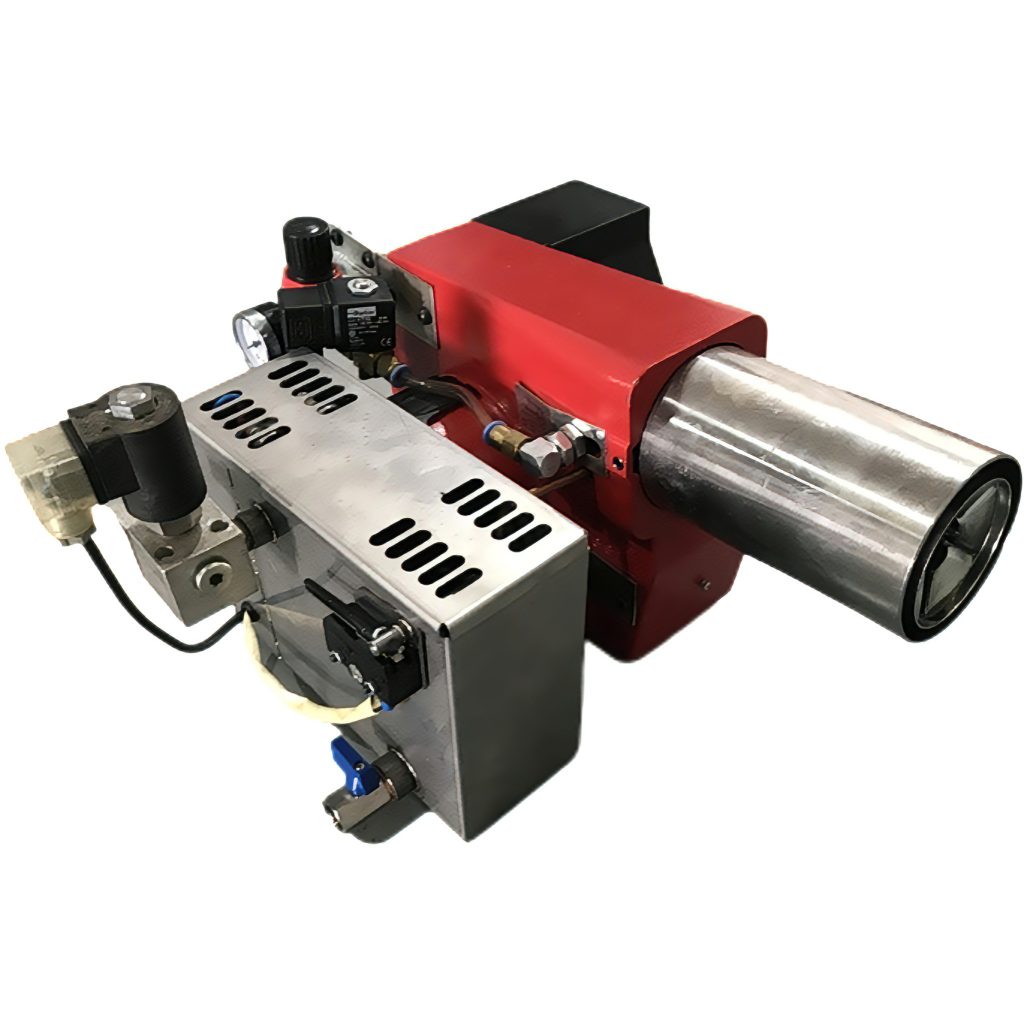
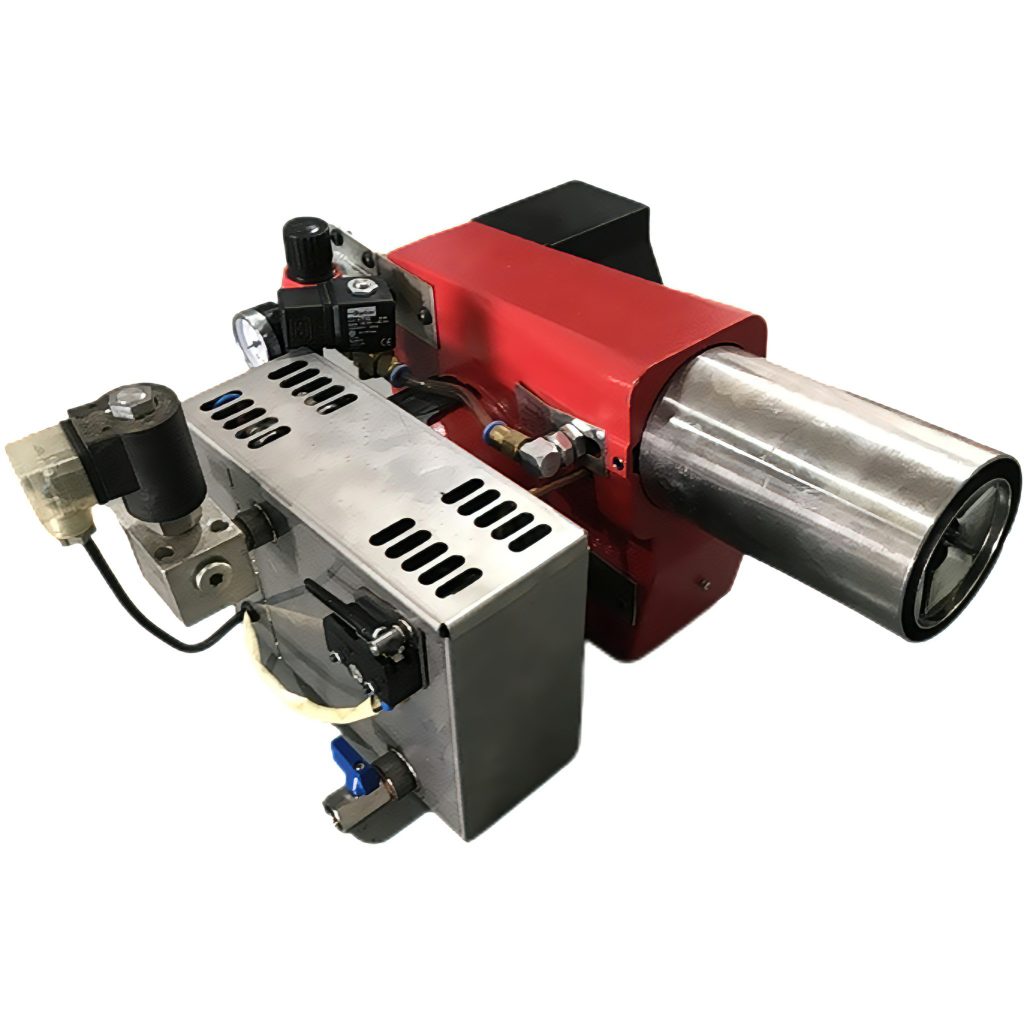
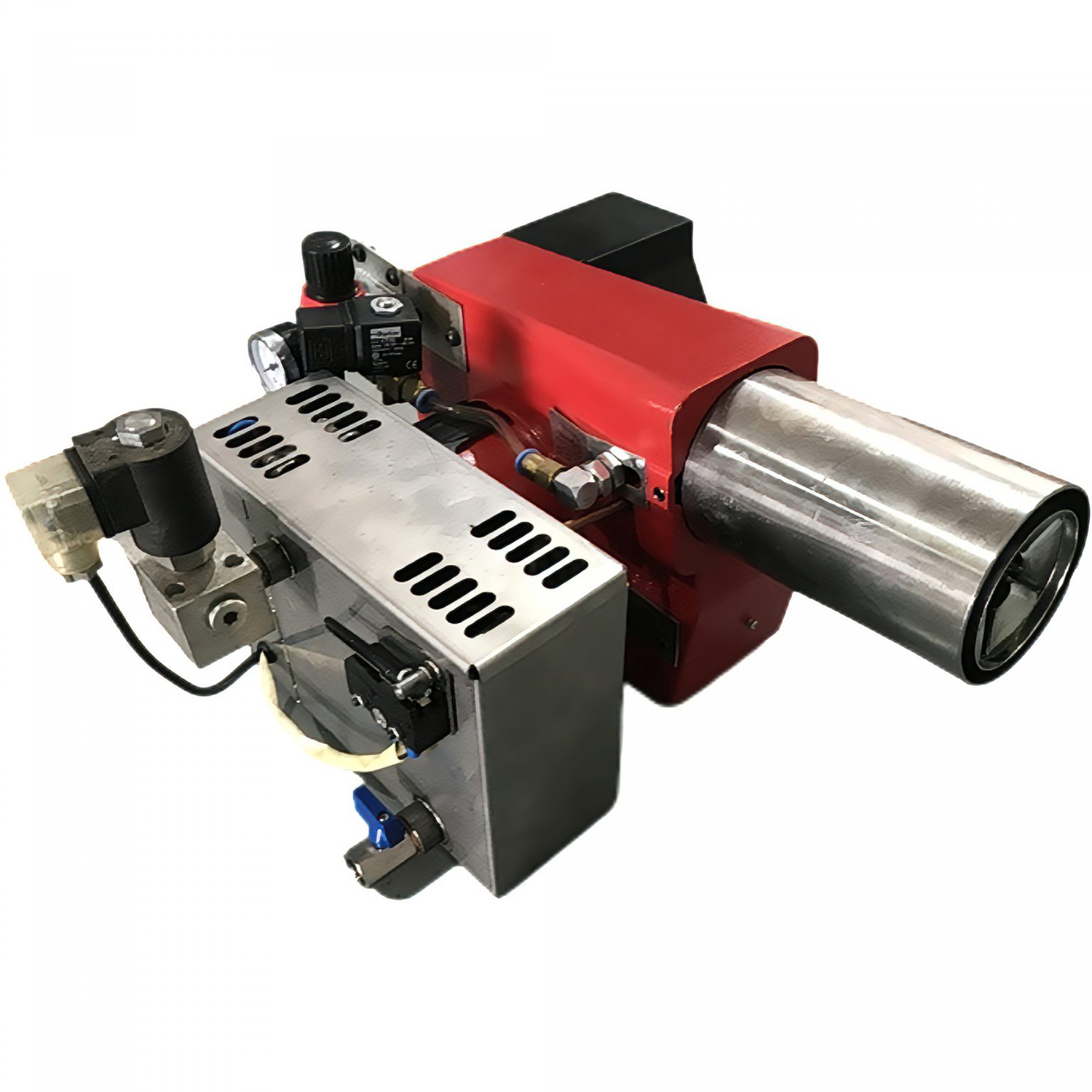
You need steady kilns, ovens, or process heaters running at higher throughput. Instead you get temperature swings, surprise trips, and periodic spikes in stack readings. Fuel variability and poor burner control destroy schedule reliability. Operators try quick fixes—tweaking the fuel valve, opening a damper—while the underlying combustion system still misbehaves. A reliable retrofit option is an industrial waste oil burner where fuel reuse is possible, but the core issue remains: unstable combustion undermines scale-up.
Root causes that stop scaling
Fuel quality and atomization vary. Air–fuel mixing is often suboptimal. Control loops are on/off or poorly tuned. Draft and stack conditions change with load. Flame monitoring is limited or absent. Maintenance gaps let nozzles partially clog. Each of these faults reduces turndown range, raises CO and NOx, and forces conservative operation. You can’t scale production if the burner system forces you to limit firing to avoid trips or violations.
Technical fixes that actually work
Start with combustion control, not cosmetic changes. Use a modulating burner or staged firing to match heat demand. Add fast O2 trim and closed-loop control to hold air/fuel ratio within tight bounds. Fit VFDs on combustion air fans for precise airflow. Improve atomization: preheat viscous fuels, choose correct nozzles, maintain pressure and spray pattern. Install reliable flame detectors and a modern burner management system with clear alarms. Low-NOx burner heads and flue-gas recirculation lower emissions without wrecking stability. For dual-fuel operation, ensure automatic fuel selection and sequencing are tested under real loads.
Alternatives and trade-offs
A new gas-fired burner gives predictable combustion and simpler controls but raises fuel-cost exposure. A robust industrial waste oil burner reduces fuel spend and can handle heavier oils—if you add preheating and filtration. Hybrid systems let you switch fuels during demand peaks, but they need extra valves, safety interlocks, and periodic cross-fuel tuning. Choose based on thermal demand profile, fuel access, emissions limits, and maintenance capability.
Common pitfalls during implementation
Don’t assume factory setpoints are right for your ducting or stack. Don’t skip field tuning after installation. Avoid using nozzles sized for different viscosities. Ignore stack oxygen and CO measurements at your peril; they’re the quickest diagnostic. Training operators matters—automated controls still need informed humans. Neglecting routine filtration and preheat leads to rapid performance decay. Plan spares for key parts: nozzle sets, flame sensors, pressure transducers.
Field anchor: practical lesson from Ruhr Valley operators
Operators in the Ruhr Valley faced tight production windows and rising fuel costs. They standardized burner control and introduced a dedicated waste fuel burner skid with preheat and filtration. The change reduced unplanned trips and made temperature control repeatable across multiple lines. That real-world shift shows one truth: combustion problems are solved by system-level design, not by guesswork at the burner tip.
Implementation steps for a reliable scale-up
1) Audit: measure turndown needs, stack O2/CO, and fuel properties. 2) Design: pick burner head, atomization, and controls to meet those measured requirements. 3) Retrofit: install modulating controls, VFDs, and flame safeguard. 4) Tune: run load sweeps, adjust O2 trim, log stack gases. 5) Maintain: filter schedules, nozzle checks, sensor calibration, and operator drills. Keep records. Repeat audits after six months.
Conclusion: pragmatic combustion delivers scalable production
Scale is achieved by controlling the combustion variables that cause variability: fuel handling, atomization, airflow, and closed-loop control. Implement the technical fixes, avoid the common mistakes, and validate with field tests. Practical suppliers and documented field experience—like the modular solutions offered by Career Burners—help you move from unreliable heat to predictable production without guesswork.