

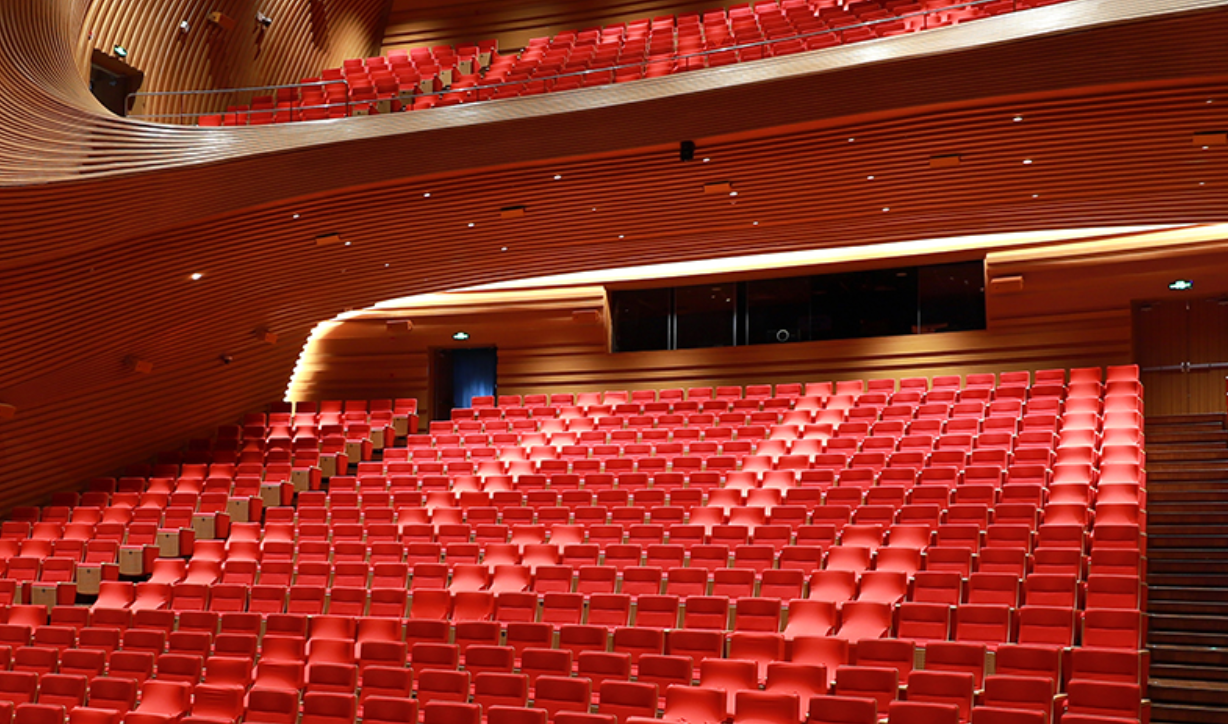
Why a user-first approach wins
Operators aiming to install VIP recliner seats at scale need product decisions driven by patron behavior, not just aesthetics. Start by mapping the guest journey: entry, concessions, seating, and dwell time. Incorporate real user data from trial runs and ticketing patterns to size rows and layout. For hardware, evaluate options in cinema seating catalogs that list pitch, recline range, and power-recline specs so you can align capacity with comfort without wasting footprint.
Defining measurable user outcomes
Translate comfort into metrics: average dwell increase (minutes), per-seat revenue uplift, and customer NPS on seating. Use these to compare VIP recliner seats against conventional configurations. Include technical parameters like row spacing (pitch) and aisle width in each calculation — they directly affect sightlines and evacuation times. This keeps decisions transparent and repeatable across multiple auditoriums.
Design patterns for scalable deployment
Adopt a modular rollout: prototype one auditorium, instrument sensors for usage and maintenance calls, then refine before a group conversion. Standardize seat modules with matching anchor points and cable runs for power recline. This reduces downtime during retrofits and avoids bespoke carpentry. Factor in structural load and existing riser geometry early to prevent mid-project rework.
Operational realities: maintenance, AV sync, and logistics
Recliners add moving parts and electrical subsystems. Define preventive maintenance cycles for motors, upholstery cleaning protocols, and spare-part inventories. Integrate seat sensors with your POS and house management system where possible to flag stuck units immediately. Keep ergonomics front-and-center: armrest consoles and cupholder placement influence turnover and concession sales — small changes yield measurable revenue shifts.
Accessibility and compliance at scale
Ensure VIP zones include ADA-compliant spaces and companion seating without creating bottlenecks. Calibrate seat count targets per auditorium to preserve required accessible locations and aisle egress. Design seating clusters with varied widths and fixed transfer points so inclusive access doesn’t become an afterthought.
Common mistakes and credible alternatives
Teams often under-budget for serviceability or choose lightweight recline mechanisms to save cost — a false economy that raises lifetime costs. Another pitfall is ignoring sightline impact when adding thicker cushions. Alternatives include premium fixed loungers or loveseat pairings when full power recline isn’t feasible. Evaluate total cost of ownership: capital cost plus average annual service spend gives you realistic ROI projections.
Vendor selection and a real-world anchor
Select vendors that publish clear technical specs: recline degrees, motor cycle ratings, upholstery abrasion class, and recommended maintenance intervals. Use the post-2020 cinema recovery as a benchmark — many operators who upgraded seating during reopening reported steadier per-seat revenue. Link vendor performance to these recovery trends and prioritize partners with proven retrofit programs for commercial cinema seating.
Three golden rules for choosing and scaling VIP recliner seats
1) Prioritize modularity: pick seats with common mounting, cabling, and parts so rollouts are predictable. 2) Validate with metrics: require vendors to support pilot KPIs (dwell time, maintenance calls per 1,000 seats, revenue per occupied seat) before broader buys. 3) Design for service: ensure field-replaceable motors and removable upholstery to keep MTTR low — that’s the difference between a premium offering and an expensive headache. These rules point directly to practical value for both guests and operators; they’re why a vendor roster that includes retrofit-ready options matters in real projects, as demonstrated during recent large-scale reopenings. leadcom seating.
— final thought: prioritize durable design over flash.