

Quiet admission at the start
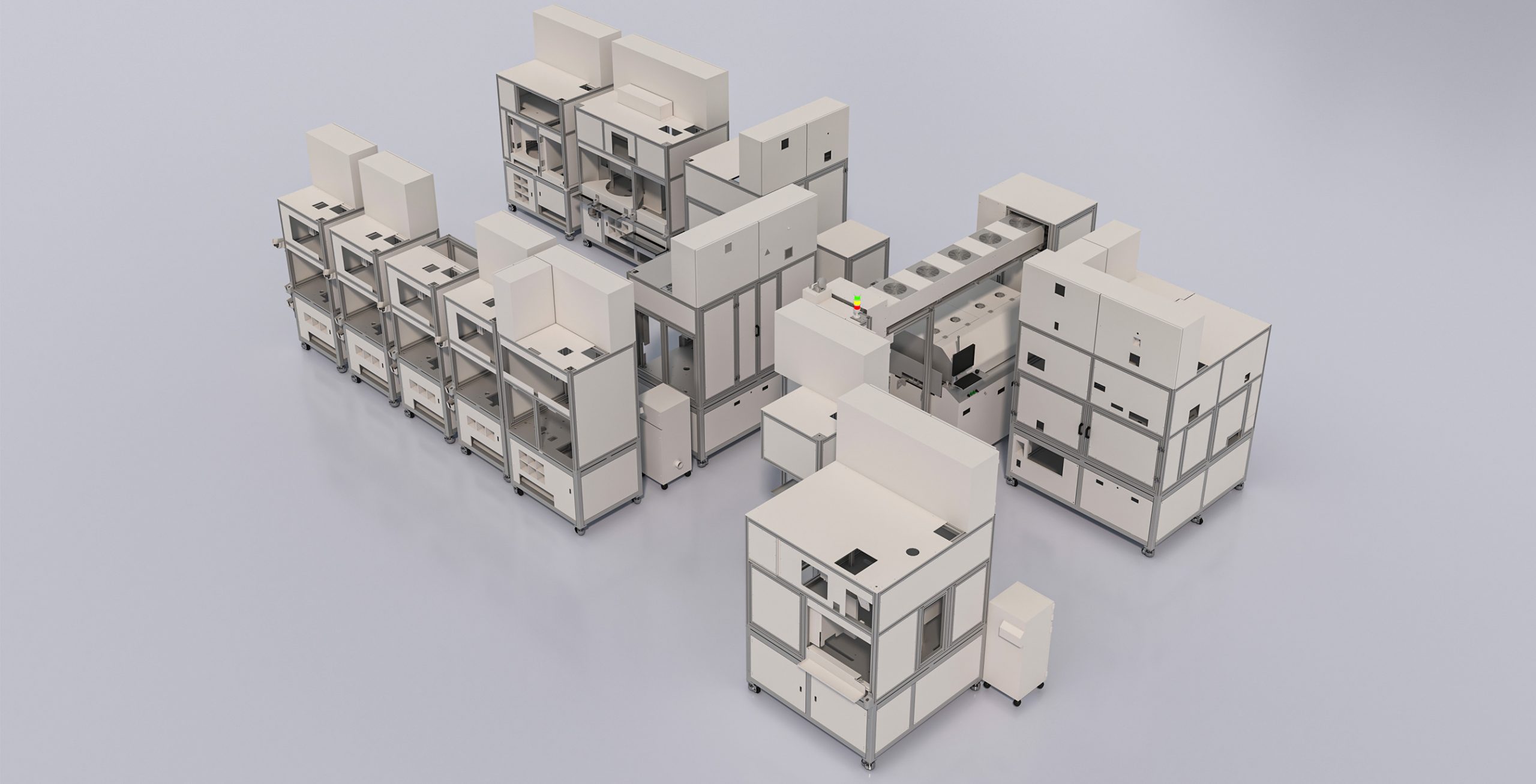
I watch lines the way some people watch tides — slow, attentive, noting the moments when something shifts. The problem that keeps surfacing is simple: you can automate a process with excellent hardware and still miss the real failure if your data strategy is patchy. When I talk with engineers about this, the conversation often turns to the tools themselves, to robotics and vision systems, to automotive automation, as if the machines alone will reveal the truth. They don’t. Data design does.
Core problems that make defects invisible
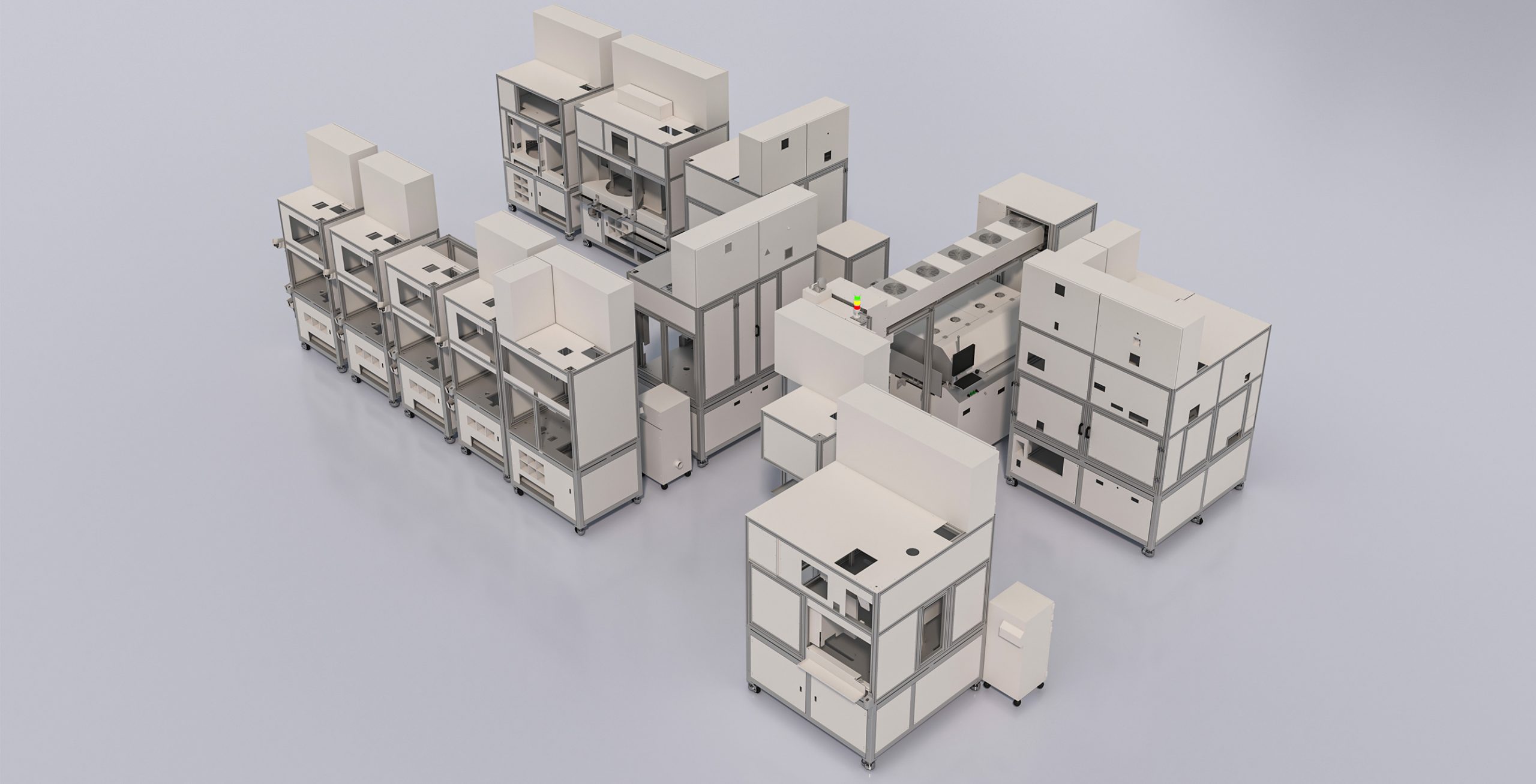
Most failures on blade battery lines don’t come from a bad robot arm. They come from how information is captured and interpreted. Common problems:- Unaligned timestamps across devices, creating phantom events.- Sensors calibrated rarely, so drift hides growing defects.- Data silos where cell-level measurements never join assembly records.- Alerts tuned for noise, creating alarm fatigue and ignored exceptions.These issues create blind spots. You see throughput numbers and call it healthy. You miss a subtle rise in weld resistance that later shows up as field failures.
What you must track — concrete and prioritized
Start with signals that directly predict safety, repeatability, and rework. Prioritize these:- Incoming cell ID and basic specs (capacity, internal resistance) tied to serials.- Alignment/placement metrics from vision systems (offset, rotation) with tolerance bands.- Weld parameters (energy, peak current, time) and electrode contact force.- Torque and fastening sequences where applicable.- Temperature readings at critical process steps, plus ambient humidity.- Cycle time and operator interventions per station.- Visual inspection defect counts and classification.- Continuous electrical checks: inter-cell resistance, continuity, impedance.- Traceability IDs across the pallet and final pack.Track them at the cadence of the process. Don’t aggregate too early. Raw events matter when you need to root-cause.
How instrumentation often goes wrong
Teams fit sensors first and think about data later. That order is backward. Common mistakes:- Mounting vision cameras where they “see” but not where they matter, producing irrelevant images.- Sampling slowly to save bandwidth, which wipes out transient failures.- Sending all data to a central server and building alerts there, which creates latency.Fixes are practical. Place sensors where the physical action occurs. Set sampling to capture critical transients. Push lightweight preprocessing to the edge to filter noise and keep meaningful events.
Alerts and analytics that actually help
An alert should answer one question: does this need immediate human attention? To get there:- Use statistical process control for gradual drifts.- Configure event-driven alerts for threshold breaches tied to downstream risk (e.g., weld energy out-of-range and a simultaneous rise in contact resistance).- Avoid generic anomaly flags. Correlate anomalies with recent maintenance, batch IDs, and operator overrides.Models that learn are useful, but they must be validated often. When models change behavior, treat that as a material event and inspect the training data.
Integration and traceability without guesswork
Traceability fails when identifiers vanish or change. Do this:- Enforce a single source of truth for IDs at cell, module, and pack level.- Store event chains: sensor reading → action taken → inspector note → final disposition.- Keep human inputs minimal and always confirm with automated scans.Common pitfalls include mismatched ID formats and delayed writes from edge devices. The fix is simple: atomic writes and synchronous confirmation for critical steps.

Real incidents and the lesson they teach
At one Detroit assembly plant, a subtle change in fixture alignment produced higher weld resistance on a percentage of packs. Reports showed normal throughput and passed visual checks. The signal only appeared when electrical checks were tied back to the exact weld energy logs and the vision offset logs — data that had been stored separately. The plant’s corrective action began only after they merged those streams and found the temporal relationship. That merge was the turning point.
Practical rollout: avoid these traps
When you implement monitoring, skip these missteps:- Don’t deploy too many KPIs at once. Start with five critical metrics, prove value, expand.- Don’t rely solely on cloud analytics for immediate safety-related decisions.- Don’t let alerts cascade. One root cause should generate one clear action.- Don’t forget routine calibration. Schedule it and log it.A phased approach — instrument, validate, correlate, iterate — keeps projects useful and under control.
Small investments with big returns
What seems expensive — better clock synchronization, an extra current sensor, a reliable ID scanner — usually pays back quickly by preventing rework and field failures. These are anchored in operational reality, not fancy models. Experience from working with line engineers and data teams shows that practical changes matter most: better sampling, fewer silos, clearer alerts.
Where this all leads
The problem isn’t whether you have robots or cameras. The problem is whether the data those machines produce lets you see the true failure modes. Solve the data problems first — consistent IDs, aligned timestamps, meaningful sampling, and targeted alerts — and the rest falls into place. That’s the material value that teams need, and it’s the kind of reliability FHS builds into their approach to production monitoring, quietly turning imperfect lines into predictable ones.