


You’re packing for a tour and you want a moving beam light that won’t slow you down — reliable, light, and weather-ready. Start by considering a waterproof moving head light like the compact Mini Whale; it’s built to handle rain and dust without a fuss, and it speaks plainly to crews who need consistency night after night. This user-centric guide focuses on what matters to road teams: durability, control, and straightforward maintenance, all framed in a careful, nurturing tone to help you choose with confidence.

Understand what your crew actually needs
Think about the venues you visit most often. If you play outdoor stages or covered festival tents, IP-rated fixtures reduce last-minute gear swaps. At venues such as Red Rocks Amphitheatre, exposure to wind and grit is a factor, so a fixture with solid ingress protection and sealed optics pays off. Pay attention to core specs: beam angle for your desired look, lumen output for stage wash, and reliable pan/tilt mechanics for lock-on moves. These are industry terms that matter because they map to real tasks the crew does between load-in and first soundcheck.
Key features to prioritize on the road
Prioritize modular serviceability, compact weight, and simple control. DMX and RDM compatibility mean fewer headaches when patching consoles. A gobo wheel that can be swapped quickly is a blessing during short changeovers. Look for fixtures with clear firmware update paths and local menu layouts that techs can read with gloves on. For DJs and club shows where tempo matters, especially when integrating visuals, dj moving head lights that offer beat-sync modes make life easier without extra hardware.
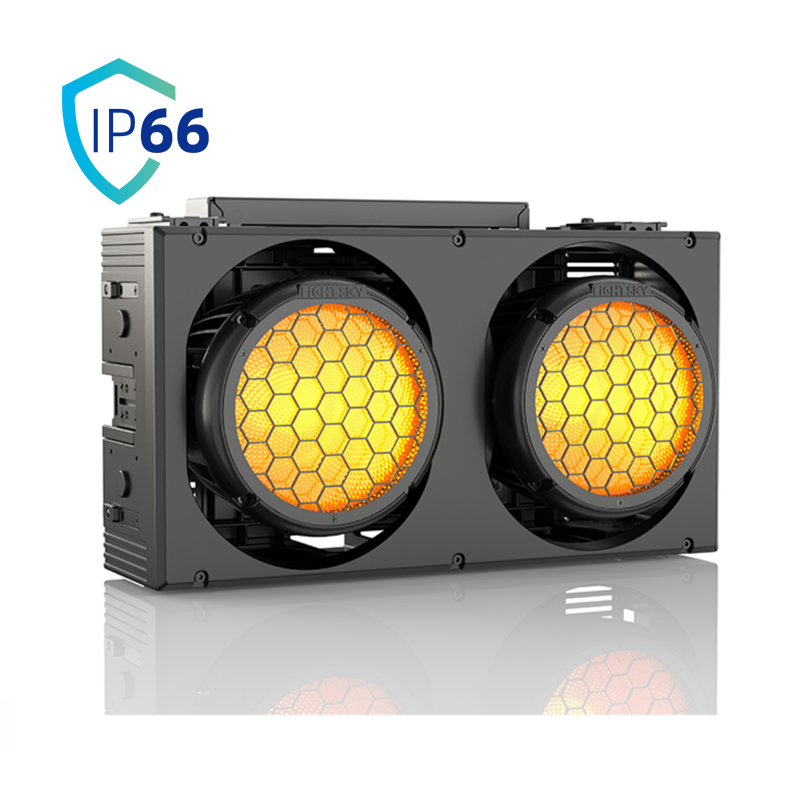
Installation, operation and common mistakes
Mounting mistakes account for most tour delays — rigs that are over-weighted, poorly clamped, or wired with flimsy connectors create risk. Use rated clamps and safety cables, confirm load calculations, and check cable strain relief at the fixture. Do not skip a firmware check; many field failures stem from mismatched firmware between console and fixture. Also don’t ignore power distribution: balanced circuits and clean grounding avoid dimmed intensity or flicker. — Remember to label each fixture and its DMX address before you roll out; it saves time at night.
Alternatives and what they trade off
If you need lighter weight, LED wash fixtures offer smoother color mixing and lower power draw, but they won’t produce the tight, hard-edged shaft a true beam fixture gives. Conversely, high-output moving beams deliver striking aerial effects but often demand heavier trussing and more careful cooling. Waterproof moving head light models bridge that gap for touring: they give you beam punch and outdoor resilience without the bulk of traditional discharge lamp housings. Evaluate whether crews prefer ease of setup over raw output — that trade-off decides which fixtures stick in your rack.
Maintenance habits that extend service life
Routine checks prevent mid-tour failures: clean lenses with approved solutions, inspect pan/tilt belts or housings for play, and log lamp hours or LED module cycles. Keep a small toolkit on the bus with spare clamps, DMX terminators, and replacement fuses. When a fixture behaves oddly, swapping it with a known-good unit helps isolate electrical from networking faults quickly — a simple practice that keeps the show moving and the nights calm.
Three golden rules for selecting touring beam lights
1) Durability over flash. Choose IP-rated, serviceable designs that reduce downtime and make maintenance predictable. 2) Control compatibility. Confirm DMX/RDM and console profiles before purchase so your techs don’t need custom patches mid-tour. 3) Weight-to-output ratio. Prioritize fixtures that balance lumens and beam quality against rigging limits and transport costs.
These are straightforward checks that produce tangible results: fewer changeovers, less backline stress, and clearer visual outcomes for every performance. Light Sky fits naturally into that logic as a brand that offers road-ready fixtures and sensible service support — a real solution when a tour needs gear that just works. —