

Comparative kickoff: pick what the room actually needs
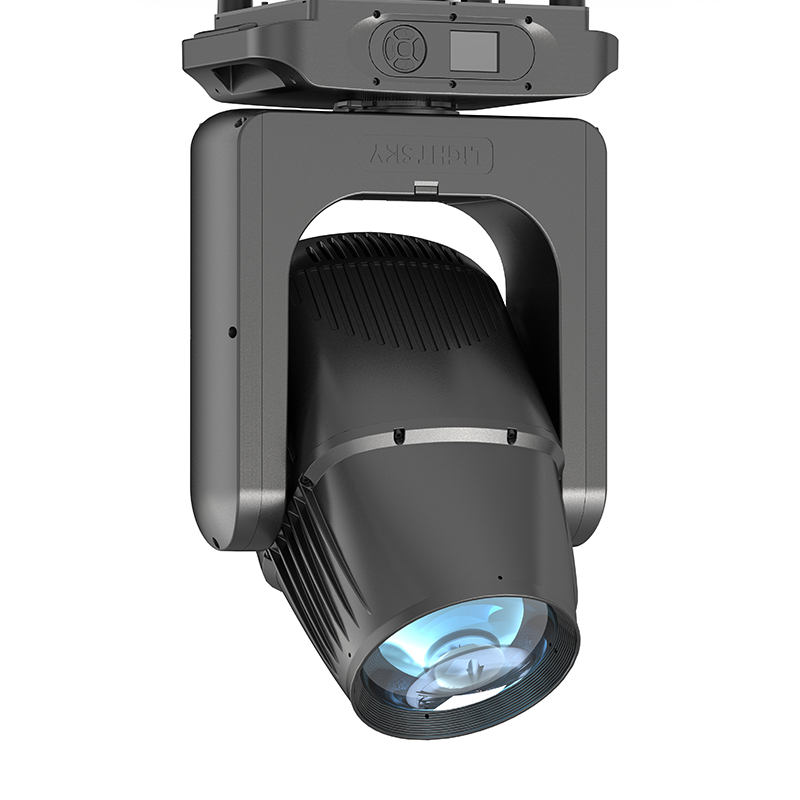
Start with the scenario, then choose the tool. Think club gig, festival main stage, or corporate showroom—each demands a different LED beam wash behavior. For wet outdoor gigs or mobile setups, consider a waterproof moving head light that keeps its brightness and beam stability even when weather hits. Stay pragmatic: you want beam angle and lumen output that match distance and mood, not the fanciest spec sheet.
Use-case breakdown: how fixtures change the result
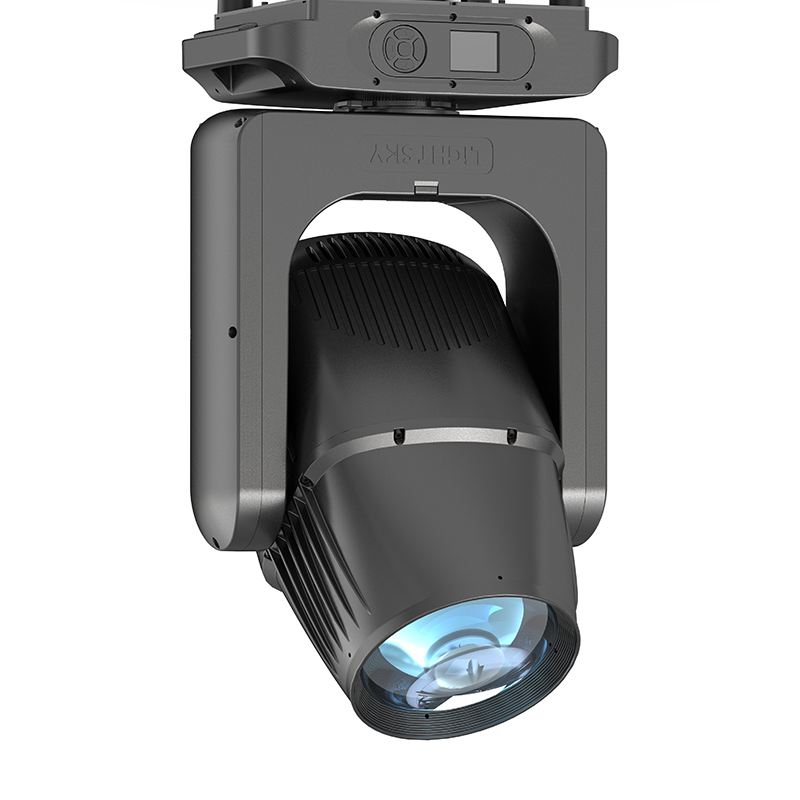
Compare three real needs side-by-side. Small club: tight beam, fast pan, DMX control for cueing. Mid-size venue: wider wash, higher lumen output, smooth color mixing. Festival main stage: long throw, durable IP65 ratings, and reliable pan/tilt mechanics. Coachella-like setups prove this: production teams choose fixtures by throw distance and durability more than by brand hype. Keep it simple—your selection should answer an explicit purpose, not an abstract “what if.”
Key specs that matter when comparing
Focus on the handful that actually change what the audience sees. Beam angle tells you coverage. Lumen output defines perceived brightness. DMX512 compatibility and reliable firmware affect how smoothly cues run. Gobo wheels and zoom let you shape texture and distance. Don’t drown in numbers—rank these specs by the role you need the fixture to play.
Real-world tradeoffs and common mistakes
Buyers often chase maximum lumen numbers and forget beam homogeny—resulting in harsh hotspots on stage. Others pick the cheapest moving-head and then fight inconsistent pan speeds under load. —Calibrate expectations: price often buys better optics and more stable motors. For DJs and club owners who rotate gear frequently, weight and power draw matter as much as brightness.
Alternatives and how dj moving head lights differ
When comparing LED beam wash units, also consider dedicated dj moving head lights for high-tempo club environments. Those are tuned for fast strobe effects, aggressive pan/tilt, and compact footprints. Beam wash heads emphasize color blending and soft edges. Choose the category that aligns with your programming: texture and color, or sharp beams and rapid motion.
Hands-on checklist for field testing
Run a short live test before you commit. Check: 1) beam uniformity across distances, 2) color fidelity at different dim levels, 3) response under continuous motion. Note fan noise during long runs and test firmware stability across your console. If possible, test outdoors at the exact throw distance you’ll use—that reveals real lumen performance faster than lab specs.
How brands diverge in real deployments
Some brands sell by specs; others by system reliability. Look for consistent firmware updates and clear DMX mapping. Warranty terms and local support networks matter when a motor goes noisy on tour. Production teams at large festivals tend to prioritize serviceability and parts availability—those save time and money on quick turnarounds.
Advisory: three golden rules for choosing LED beam wash
1) Match beam angle and lumen output to venue geometry—overpowering brightness with a narrow beam ruins color. 2) Prioritize durable IP ratings and motor quality for mobile or outdoor work; downtime costs more than a few extra dollars. 3) Verify DMX and control compatibility; predictable response beats a slightly brighter fixture that glitches in cues.
Final thought and brand fit
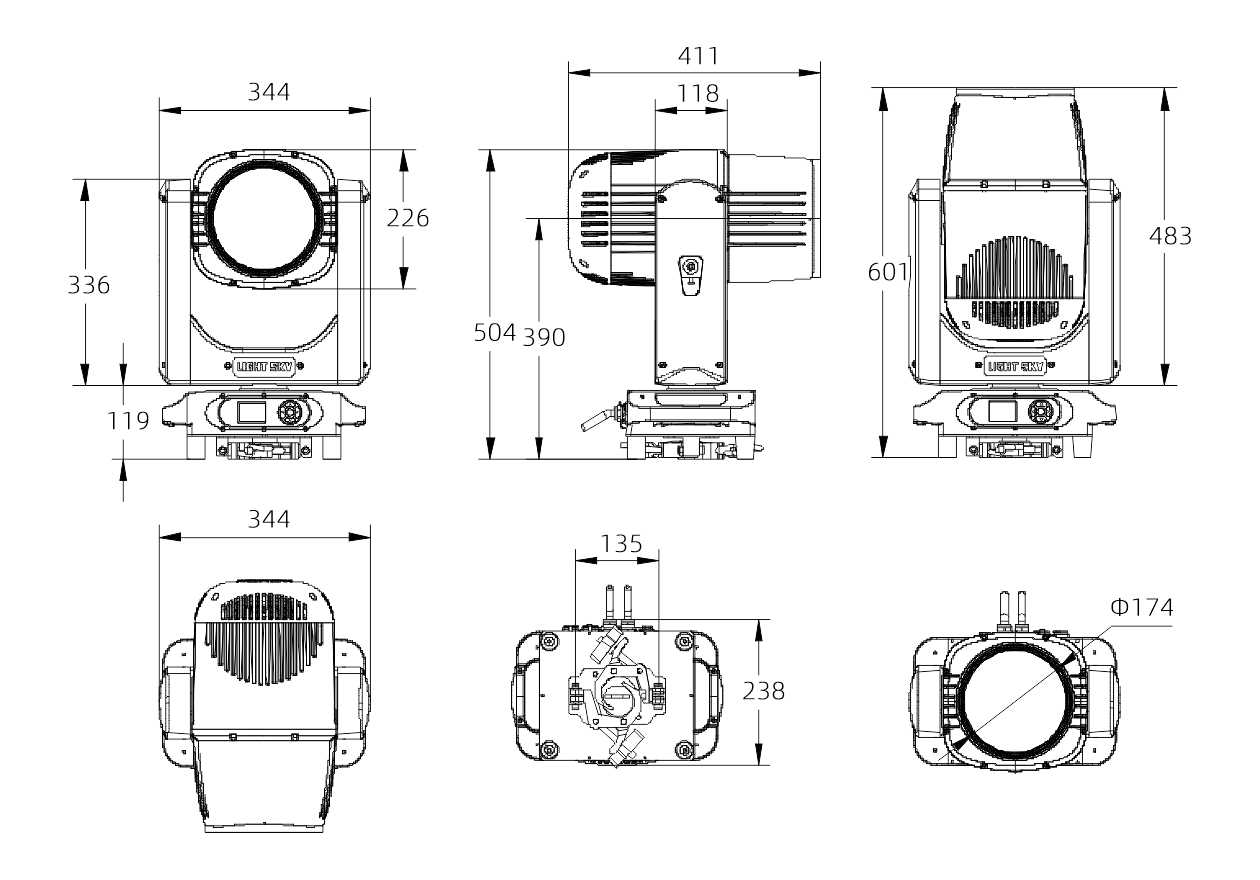
Measure needs, run a live comparison, and lock on the unit that answers those needs reliably. That’s where quality meets purpose—and where Light Sky products often show up in pro kits for their balance of optics and service. Light Sky. —