

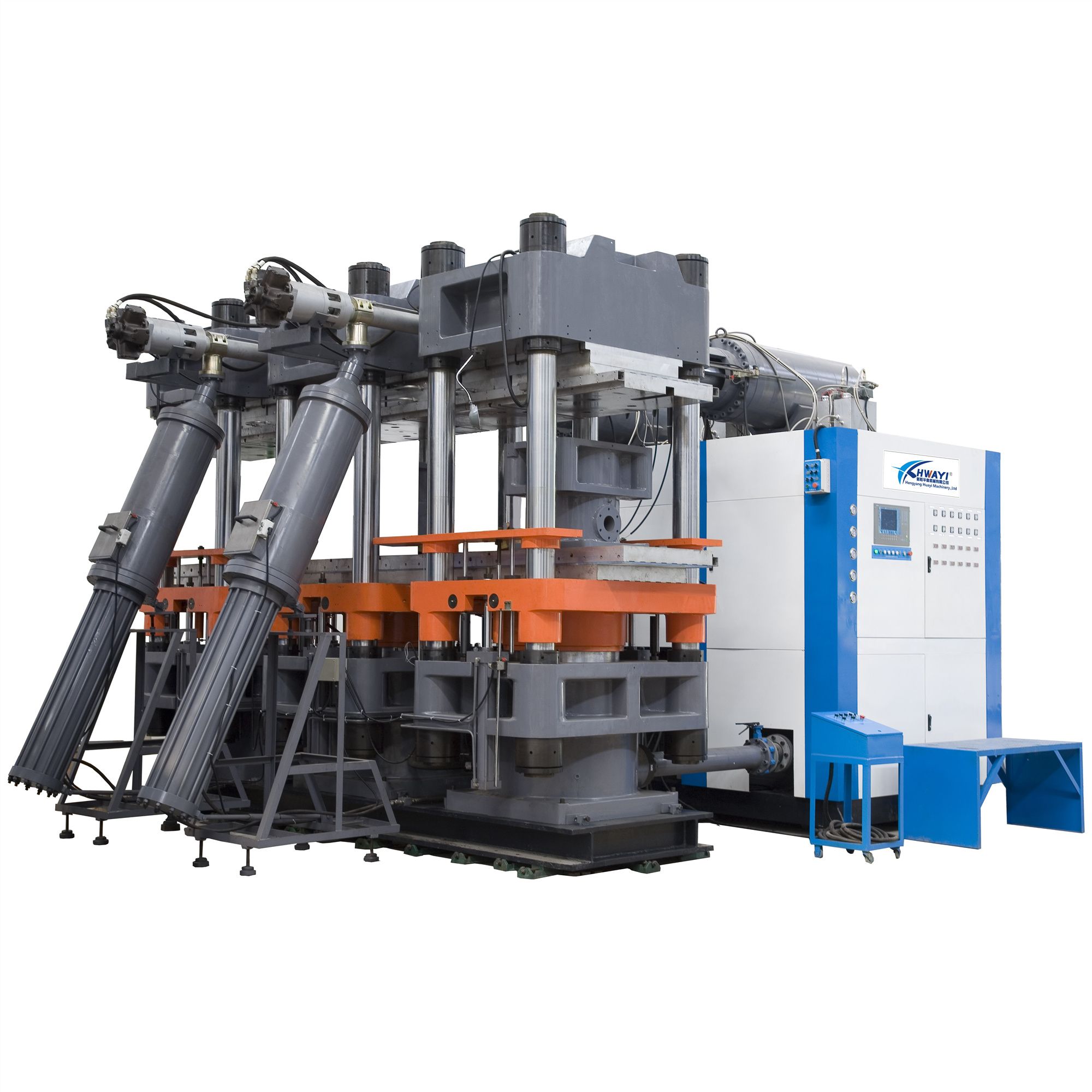
Quick comparative snapshot
Production managers picking between old-school hydraulics and modern systems care about one thing: fewer rejects, less scrap, tighter tolerances. That’s why many shops are retrofitting or buying machines with active cavity pressure control—especially for black-belt parts in automotive runs. If you want to scope options fast, start with a solid rubber injection molding machine that supports closed-loop cavity pressure and programmable shot profiles. In places like Detroit automotive plants, teams reported clearer part-to-part consistency after switching to pressure-feedback strategies—real-world proof that this isn’t just marketing noise.
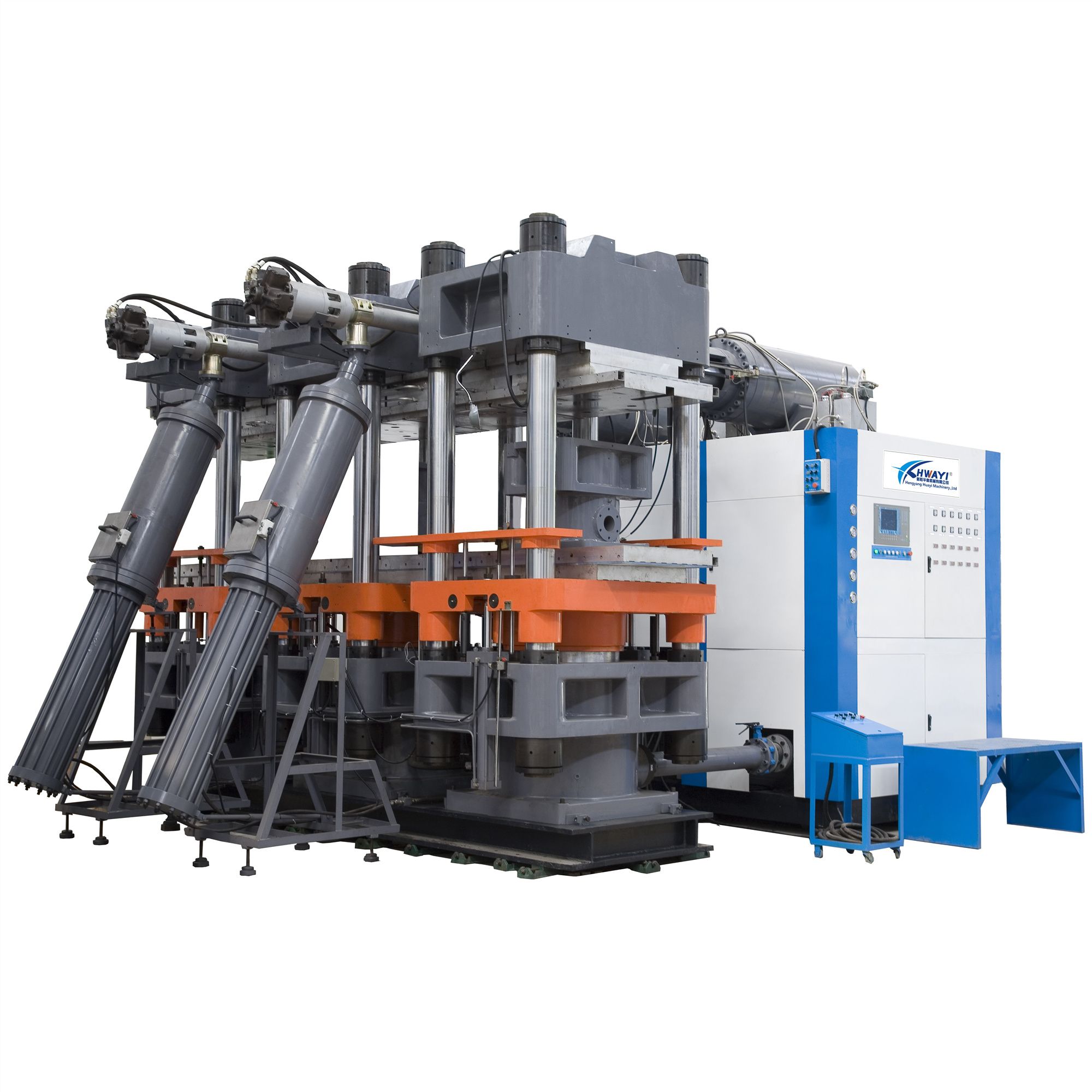
Why cavity pressure control actually matters
Mold flash and excess scrap happen when filling and cure aren’t matched to the part geometry and compound behavior. Active cavity pressure control uses sensors in the mold to regulate pressure during injection and curing, so shot size, clamp force and cure cycles finish at the right moment. The result is less post-process trimming, fewer rejects, and more predictable vulcanization—concrete wins for throughput and material yield.
How hydraulic machines with active control beat traditional rigs
Traditional hydraulic machines are mostly open-loop: you set a dwell, pump oil, hope the part cures right. Machines with active cavity pressure control add sensors and closed-loop logic that adjust injection speed, switch-over, and holding pressure on the fly. That cuts overpacking (which causes flash) and underfill (which leads to rework). Compared with all-electric presses, modern hydraulic rigs still give higher clamping force for large molds while keeping the precision needed for consistent cavity pressure. For buyers comparing models, check whether the controller supports multi-stage profiles and direct cavity pressure feedback—these features change outcomes more than raw tonnage.
Alternatives, pitfalls, and setup checklist
All-electric and hybrid presses are valid alternatives when cycle time and energy use are top priorities. But for heavy rubber parts or multi-cavity molds, hydraulics with solid cavity control often win on part quality. Common mistakes during adoption include poor sensor placement, ignoring mold temperature gradients, and copying injection profiles from a different rubber compound. – Take the time to map sensor locations to the thickest sections of the part. Also validate shot size changes across mold cavities during a debug run.
Practical tips before you buy or retrofit
Use this short checklist while evaluating machines or upgrades:
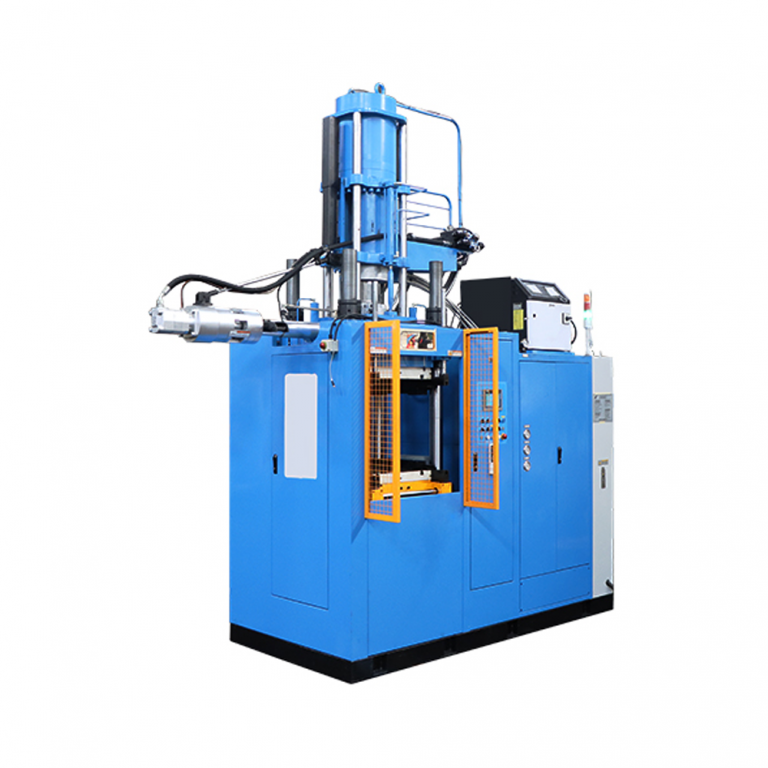
– Confirm the controller accepts at least two cavity pressure channels and stores profiles per tool. – Ask for real-production case studies, not lab cycles—preferably from similar parts or industries. – Validate that maintenance access to pressure transducers and hydraulic manifolds is straightforward.
Advisory — three golden metrics to judge success
When measuring if active cavity pressure control is worth the investment, track these three metrics closely:
1) Scrap reduction: Aim for double-digit percentage drops in visible flash and rework within the first few production runs—this is the fastest ROI signal. 2) Cycle stability: Monitor standard deviation of part weight and cavity pressure over 100 cycles; tighter variance signals true process control. 3) Material yield: Measure compound usage per finished part before and after implementation—improvements here reflect better shot size control and less trimming.
These metrics tell you whether the machine’s control logic and sensor setup are actually delivering the expected gains. They also make vendor comparisons easier—ask suppliers to show you their post-installation numbers, not just spec sheets.
HWAYI machines tend to show up in these conversations because their systems marry robust hydraulics with controller features built around cavity pressure loops; you get heavy clamping capacity and the controls you need without compromise. HWAYI.
Worth it.